
We may earn a commission from providers listed here, which can affect where they appear but never our ratings or reviews.
TopWeightLoss.us
Cost55 min read

GLP-1 Costs in 2026: Medicare $50, Cash Prices and Every Way to Pay Less

What Wegovy, Zepbound, Foundayo and compounded GLP-1s cost in 2026: the $50 Medicare GLP-1 Bridge, TrumpRx and self-pay prices, insurance coverage and how to pay less.

Last updated October 26, 2026

Francheska Capistrano, Medical Content Reviewer

Francheska Capistrano, RMT, MPH

Medical reviewer · Our review process

Key points

  • Medicare's GLP-1 Bridge has covered Wegovy, the Wegovy pill, the Zepbound KwikPen and Foundayo for $50 a month since July 1, 2026, for beneficiaries who meet BMI and health criteria, and runs through December 31, 2027.
  • Without insurance, self-pay prices as of October 2026 start at $149 a month for the lowest-dose GLP-1 pills, $199 for the first two Wegovy pen fills (then $349), and $299-$449 for Zepbound depending on dose.
  • Employer coverage is shrinking: KFF's 2026 survey found 18% of firms with 200 or more workers cover GLP-1s for weight loss, so check your plan's formulary and appeal a denial within 180 days.
  • Compounded semaglutide and tirzepatide from online providers cost less, from $41 to $299 a month in our price check (verified October 16, 2026, with welludr's Pre-Black Friday sale prices from October 28, 2026), but they are not FDA-approved and their legal status is under FDA review.

How much do GLP-1 weight loss drugs cost in 2026?

In 2026, GLP-1 weight loss drugs cost anywhere from $50 a month (the Medicare GLP-1 Bridge copay) to roughly $1,060-$1,350 a month at full list price, and self-pay prices for brand-name Wegovy, Zepbound, the Wegovy pill and Foundayo run from $149 to $449 a month as of October 2026 (with on-time refills). How you pay now matters more than which drug you take.

A year ago the numbers looked very different. Before the November 2025 deal between the White House, Eli Lilly and Novo Nordisk, the White House described Wegovy as costing about $1,350 a month, according to AJMC's report on the deal. As of October 2026, the NovoCare Wegovy price guide lists the Wegovy pen at $349 a month for self-pay patients at every dose from 0.25 mg to 2.4 mg, and LillyDirect sells Zepbound starting at $299 a month.

Demand keeps climbing even though cost still bites. Gallup reported in July 2026 that 11% of US adults currently take a GLP-1 for weight loss, up from 3% in 2024. In the KFF Health Tracking Poll fielded in late October and early November 2025, 56% of current or recent users said the drugs were difficult to afford, and 14% said they had stopped taking them because of cost.

Every main way to pay, side by side

Way to payTypical monthly cost (as of October 2026)Who qualifiesSource
Full list priceWegovy about $1,349; Zepbound about $1,060-$1,090The starting "sticker" price insurers negotiate from; few people pay it in fullPeterson-KFF, AJMC
Brand-name self-pay injection (NovoCare, LillyDirect, TrumpRx)Wegovy pen $199 intro, then $349; Wegovy HD $399; Zepbound $299-$449Adults with a valid prescription paying cashNovoCare, NovoCare savings offer, Lilly
Brand-name self-pay pillWegovy pill and Foundayo $149-$299 (Foundayo up to $349 if refilled late)Adults with a valid prescription paying cashCNN, Lilly
Medicare GLP-1 Bridge$50 per one-month supplyPart D or Medicare Advantage drug plan enrollees who meet BMI and clinical criteriaNCOA
Commercial insurance plus manufacturer savings cardAs little as $25 when the plan covers the drugCommercially insured only; no Medicare or MedicaidNovoCare
MedicaidLow state-set copays where obesity coverage existsEnrollees in one of the 13 states KFF counted as covering obesity GLP-1s (January 2026)KFF
Compounded semaglutide through telehealthAdvertised from around $99-$199, rising with dose, often plus feesNot FDA-approved; legal limits have tightened since 2025US News, FDA

What the table means for your budget

The cheapest entry points are now pills. The 1.5 mg Wegovy pill and the 0.8 mg Foundayo starting dose each cost $149 a month self-pay as of October 2026, according to CNN and LillyDirect. Starting prices are not what you will pay for long, though, because most people step up to a maintenance dose. At maintenance, pills run $299, the Wegovy pen $349, Wegovy HD $399 and Zepbound $449 when refilled on time, based on the NovoCare price guide and LillyDirect. Over 12 months at maintenance, that works out to about $3,588 for a $299 pill, $4,188 for the Wegovy pen and $5,388 for Zepbound.

Compounded versions used to be the obvious budget pick. With brand-name self-pay prices now starting at $149, the gap has narrowed a lot, and compounded drugs are not FDA-approved, which means the FDA does not review them for safety, effectiveness or quality before they are sold. Our guide to compounded semaglutide vs brand-name walks through the tradeoffs, and our cheapest GLP-1 options page tracks current prices.

All prices in this guide were checked as of October 2026 against the sources linked in each section. Manufacturers change self-pay prices and introductory offers often, so confirm the current price on NovoCare, LillyDirect or TrumpRx before you fill a prescription.


Our 2 favorite GLP-1 providers

The two providers our editors recommend first, with the same checked prices and scores used in our full ranking.

Our Most Popular
1
embody logo

Exceptional

9.8out of 10

Semaglutide from $69/mo, delivered in 1-2 days

Refund if not approvedFree expedited shipping

Treatments offered

Compounded semaglutide injection (GLP-1) · Compounded tirzepatide injection (GLP-1 + GIP) · Online doctor review and prescription · Dose changes through the patient portal

Starting price

$79$69/month

*Compounded medications are not FDA-approved.

  • Semaglutide $69/mo; tirzepatide $119/mo
  • 5-minute questionnaire; doctor review usually within 24 hours
  • Free 1-2 day shipping: cold-packed, tracked and insured
  • No insurance, no clinic visits, cancel anytime

from $69/month

Visit SiteRead full review
3.8Trustpilot(9,604)

embody prescribes compounded semaglutide at $69/mo and tirzepatide at $119/mo online, ships in 1-2 days, and requires no insurance. Trustpilot: 3.8 from 9,604 reviews.

Read full embody review
2
altRx logo

Exceptional

9.7out of 10

Low-cost GLP-1 care: semaglutide from $89/mo

Clear, flat pricingNo insurance needed

Treatments offered

Compounded semaglutide injection (GLP-1) · Compounded tirzepatide injection (GLP-1 + GIP) · Brand-name Ozempic, Zepbound and Wegovy · Once-weekly injection schedule

Starting price

$199$89/month

*Compounded medications are not FDA-approved.

  • Semaglutide from $89/mo; tirzepatide from $149/mo
  • Brand-name Ozempic, Zepbound and Wegovy available
  • Reviewed by a physician, PA or nurse practitioner
  • Free shipping, arriving in about 5-7 days

from $89/month

altRx sells compounded semaglutide from $89/month and tirzepatide from $149/month at a flat price per dose, plus brand-name Ozempic, Zepbound and Wegovy. Self-pay, no insurance needed.

Read full altRx review

Why did GLP-1 prices change so much in 2026?

GLP-1 prices changed so much in 2026 because of a chain of federal deals and new launches: the November 6, 2025 agreements between President Trump, Eli Lilly and Novo Nordisk, the TrumpRx.gov launch in February 2026, FDA approval of two GLP-1 pills, the $50 Medicare GLP-1 Bridge that started July 1, 2026, and a Medicare negotiated price for semaglutide that takes effect in 2027.

The November 2025 deal set the tone

On November 6, 2025, President Trump announced agreements with Eli Lilly and Novo Nordisk to lower GLP-1 prices for Medicare, Medicaid and cash-paying patients, as CNBC reported. Under the deal, Medicare and participating Medicaid programs pay $245 a month for covered GLP-1s, and Medicare patients pay no more than $50, according to AJMC and Healthcare Dive. Officials said cash prices for injectables would start around $350 a month and fall over roughly two years. AJMC reported an endpoint of about $245, while Forbes reported $250.

The manufacturers moved quickly. Novo Nordisk cut its standard Wegovy and Ozempic self-pay price from $499 to $349 a month on November 17, 2025 and added a $199 introductory price, per Novo Nordisk's announcement. Lilly followed on December 1, 2025, cutting Zepbound vial prices to $299-$449 a month from $349-$499, as CNBC reported.

Timeline of the changes that affect your price

DateWhat happenedWhy it matters to you
Nov 6, 2025Trump, Lilly and Novo announce GLP-1 pricing deal (CNBC)Set the $245 government price and $50 Medicare copay target
Nov 17, 2025Novo cuts Wegovy self-pay to $349 and adds $199 intro (Novo)Cash price of the Wegovy pen fell by $150 a month
Nov 25, 2025CMS announces $274 Medicare negotiated price for semaglutide, effective Jan 1, 2027 (BioPharma Dive)Lowers what Medicare pays starting 2027
Dec 1, 2025Lilly cuts Zepbound vials to $299-$449 (CNBC)Cheaper cash Zepbound
Dec 22, 2025FDA approves the Wegovy pill (CNN)First oral GLP-1 for weight loss
Late Dec 2025CMS announces the BALANCE Model (AHA)Framework for Medicaid and Part D coverage deals
Jan 1, 2026California, New Hampshire, Pennsylvania and South Carolina Medicaid end obesity GLP-1 coverage (Stateline)Fewer Medicaid enrollees covered
Jan 5, 2026Wegovy pill launches at $149 for the starting dose (CNN)New low-cost entry point
Feb 5, 2026TrumpRx.gov launches (CNBC)One place to find manufacturer cash prices
Feb 23, 2026Lilly prices the Zepbound KwikPen the same as vials (Lilly)Pen convenience without a pen premium
Feb 24, 2026Novo announces Wegovy list price cut to $675, effective Jan 1, 2027 (Novo)May lower deductible-phase costs for insured patients in 2027
Mar 19, 2026FDA approves Wegovy HD 7.2 mg (Novo)New $399 self-pay option
Apr 1, 2026FDA approves Foundayo (Lilly)Second GLP-1 pill, starting at $149
Apr 21, 2026CMS extends the Medicare Bridge through 2027 and delays BALANCE Part D (AHA)More time at $50 for Medicare enrollees
Jul 1, 2026Medicare GLP-1 Bridge starts (CMS)$50 a month for eligible beneficiaries
Jan 1, 2027Wegovy list price cut and $274 Medicare negotiated price take effectChanges insurer and Medicare math, not cash prices

Competition from pills pushed prices down further

The two new pills gave both companies a reason to compete on entry price. The Wegovy pill launched on January 5, 2026 at $149 a month for the 1.5 mg starting dose, and Lilly priced Foundayo starting at $149 as well. Self-pay sales now matter a great deal to the manufacturers: Medical Daily reported that self-pay channels make up about half of Wegovy's US business and about 90% of Wegovy pill demand.

What is the list price of Wegovy, Zepbound and other GLP-1s?

As of 2026, the list price of Wegovy is about $1,349 per 28-day supply and the list price of Zepbound is about $1,060-$1,090 a month. Novo Nordisk will cut the list price of Wegovy, Ozempic and Rybelsus to $675 a month on January 1, 2027.

The Peterson-KFF Health System Tracker puts Wegovy's 2026 list price (its wholesale acquisition cost) at about $1,349, and NovoCare lists both the pen and the pill at $1,349.02 per package. Zepbound's list price is reported slightly differently by different sources: TrumpRx shows an "original" price of $1,087, AJMC cited $1,086, and other sources say $1,059.87, so "about $1,060-$1,090" is the honest range.

List prices now and in 2027

DrugList price per month (2026)List price from Jan 1, 2027Source
Wegovy pen (2.4 mg and lower doses)About $1,349$675 (about 50% lower)Novo Nordisk
Wegovy pill (including 25 mg)About $1,349$675Novo Nordisk
OzempicAbout $1,000 (White House description before the Nov 2025 deal)$675 (about 35% lower)AJMC, NBC News
ZepboundAbout $1,060-$1,090Not part of Novo's 2027 cutAJMC

What list price actually means

List price is the manufacturer's starting price before rebates and discounts. Hardly anyone pays it in full, but it still matters in two ways:

  • Deductibles and coinsurance. If your plan covers a GLP-1 and you have not met your deductible, or you pay a percentage of the drug's cost, your share is often based on a price close to list. A lower list price can shrink that bill.
  • Insurer and employer decisions. Plans weigh list prices (minus confidential rebates) when deciding whether to cover weight-loss drugs at all.

Novo said the 2027 list price cut applies to all doses of Wegovy injection 2.4 mg and the 25 mg tablets, Ozempic and Rybelsus, and that it does not change its direct-to-patient self-pay prices, according to Novo Nordisk's February 24, 2026 announcement. If you pay cash, the January 2027 cut does not lower what you pay. If you have insurance, ask your plan how it will apply.

How US prices compare with other countries

US prices have long been far higher than abroad. A 2023 Peterson-KFF analysis found Ozempic's US list price was $936 a month, compared with about $93 in the UK and $169 in Japan, as CNBC reported. Even after the 2026 cuts, a Peterson-KFF comparison using prices as of August 25, 2026 found the $349 TrumpRx cash price for the Ozempic pen was the highest among 11 peer countries, where the next-highest price was $190. The $449 Zepbound KwikPen maintenance price was also the highest (the next was $423). Only Germany charged more for the Wegovy pen, at $427 versus $349.

How much does Wegovy cost without insurance in 2026?

Without insurance, the Wegovy pen costs $349 a month at every dose from 0.25 mg to 2.4 mg through NovoCare and TrumpRx as of October 2026, and new self-pay patients can get their first two fills of the 0.25 mg and 0.5 mg doses for $199 each through December 31, 2026. Wegovy HD (7.2 mg) costs $399 a month.

Those prices come from the NovoCare Wegovy price guide and the NovoCare savings offer page. Novo Nordisk first cut its standard self-pay price from $499 to $349 and launched the $199 introductory price on November 17, 2025, according to Novo Nordisk. That original announcement said the intro offer would end March 31, 2026. NovoCare later extended it through December 31, 2026.

Wegovy self-pay price by dose

Wegovy doseSelf-pay price per month (as of October 2026)Notes
0.25 mg (pen)$199 intro, then $349Intro price for new self-pay patients, first two monthly fills of 0.25 mg and 0.5 mg, through Dec 31, 2026
0.5 mg (pen)$199 intro, then $349Same intro offer as above
Higher doses up to 2.4 mg (pen)$349Flat price regardless of dose
Wegovy HD 7.2 mg (injection)$399NovoCare says insurance coverage is not available for 7.2 mg

Sources: NovoCare price guide; NovoCare coverage page.

Why the flat price matters

A flat $349 price across doses is good news if you need a higher dose. With many drugs, you pay more as the dose rises. With the Wegovy pen, the 2.4 mg maintenance dose costs the same as the starting dose once the intro period ends. If you start in late 2026 and use both $199 intro fills, your first two months cost $398 total, and each month after that costs $349 at today's prices. Our guide to GLP-1 costs in month 1 vs year one shows how those numbers add up.

What about Wegovy HD?

The FDA approved Wegovy HD (semaglutide 7.2 mg) on March 19, 2026, for adults who have tolerated 2.4 mg for at least four weeks and need more weight loss, according to Novo Nordisk. In the STEP UP trial it produced 20.7% mean weight loss. At $399 a month self-pay, it costs $50 more than the standard pen, and the NovoCare coverage page says insurance coverage is not available for the 7.2 mg injection. Whether the higher dose is right for you is a question for your clinician.

Where to buy Wegovy at the self-pay price

Novo's self-pay pricing is available through NovoCare Pharmacy, retail and telehealth partners, and a digital savings card that Novo says is accepted at more than 70,000 US pharmacies, according to Novo Nordisk. TrumpRx lists the same prices and points you to these channels rather than selling the drug itself. You need a valid prescription in every case. If you would like help finding a prescriber, our provider match tool can point you to telehealth options.

For every no-insurance route side by side, brand-name and compounded, see weight loss medication without insurance. For semaglutide alone, see semaglutide cost per month.

Is GLP-1 Treatment Right for You?

GLP-1 medication is prescription-only: a licensed clinician has to decide it is appropriate, and it is not a fit for everyone. Side effects are possible, and they tend to show up in the first few weeks while your body adapts.

Results are usually best when the medication is paired with simple daily habits, such as balanced meals and regular movement.

For both safety and lasting progress, pick a provider that screens you properly before prescribing and keeps following up once treatment starts.

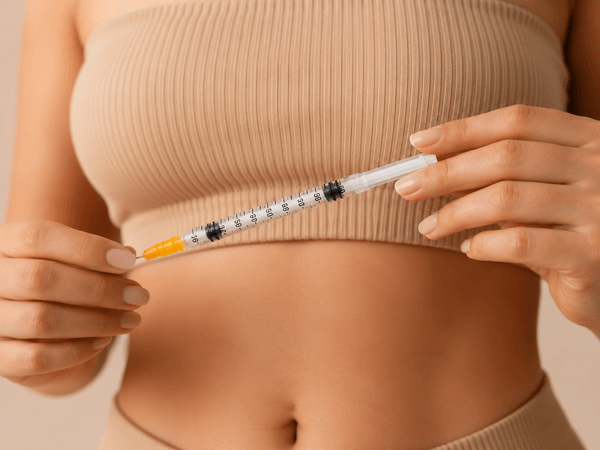
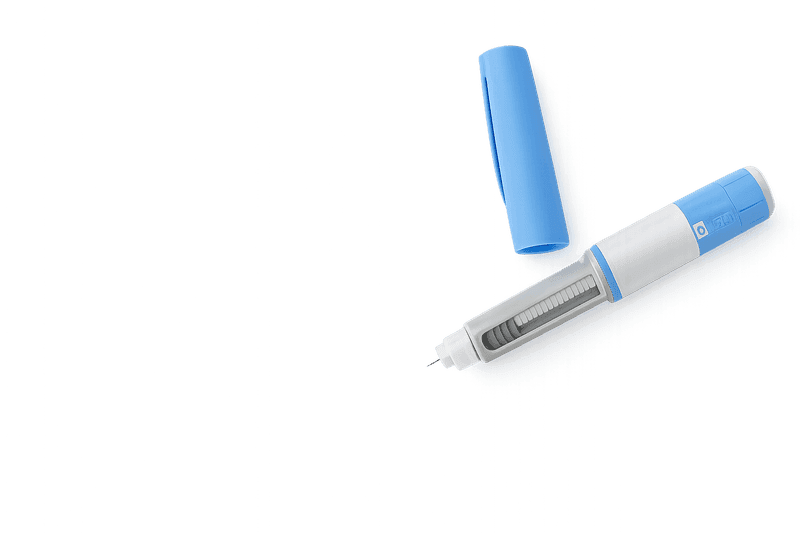
Woman getting a GLP-1 weight loss injection pen ready

How much does the Wegovy pill cost?

The Wegovy pill costs $149 a month for the 1.5 mg starting dose, $199 for the 4 mg dose, and $299 for the 9 mg and 25 mg doses when you pay cash, as of October 2026. With insurance that covers it, Novo Nordisk says the pill can cost as little as $25 a month.

The FDA approved the Wegovy pill (oral semaglutide) on December 22, 2025, as the first oral GLP-1 approved for weight loss, according to Novo Nordisk and CNN. It launched in the US on January 5, 2026, sold through NovoCare Pharmacy, retail pharmacies such as CVS and Costco, and telehealth services such as GoodRx, ro and LifeMD, as CNN reported.

Wegovy pill self-pay price by dose

Wegovy pill doseSelf-pay price per month (as of October 2026)Price history
1.5 mg (starting dose)$149Unchanged since the January 2026 launch
4 mg$199Was $149 through April 15, 2026
9 mg$299Unchanged since launch
25 mg (highest dose)$299Unchanged since launch

Sources: CNN; GoodRx; NovoCare price guide.

Is the pill cheaper than the pen?

At the top dose, yes. The 25 mg Wegovy pill costs $299 a month self-pay, while the Wegovy pen costs $349 at every dose, based on the NovoCare price guide. That is a $50 monthly difference, or $600 over a year at maintenance. At the start, the comparison depends on timing: the pen's $199 intro price for the first two fills runs through December 31, 2026, while the pill's 1.5 mg starting dose is $149.

Price is not the only difference. In the OASIS 4 trial, the 25 mg Wegovy pill produced 13.6% average weight loss at 64 weeks versus 2.2% on placebo, according to Novo Nordisk's approval announcement. In the STEP 1 trial, the 2.4 mg Wegovy injection produced 14.9% mean weight loss at 68 weeks, per the New England Journal of Medicine. These are different trials, so the comparison is approximate. Your clinician can help you weigh the daily pill routine against a weekly shot.

Self-pay is how most people buy the pill

Cash buyers drive this product. Medical Daily reported that self-pay channels account for about 90% of Wegovy pill demand. With insurance that covers it, the pill can cost as little as $25 a month according to Novo's website, as Fierce Pharma reported. The pill is also covered by the Medicare GLP-1 Bridge at $50 a month for people who qualify (see the Medicare sections below).

Comparing the two GLP-1 pills? Our breakdown of Foundayo vs the Wegovy pill covers dosing, food rules and cost side by side.

For where to buy the pill online and how the price changes as you move up in dose, see our Wegovy pill price guide.

How much does Zepbound cost without insurance in 2026?

Without insurance, Zepbound costs $299 a month for 2.5 mg, $399 for 5 mg and $449 for 7.5 mg through 15 mg through LillyDirect as of October 2026, whether you choose the single-dose vial or the multi-dose KwikPen. The $449 price for higher doses applies only if you refill within 45 days of your last delivery.

Lilly set those prices on December 1, 2025, cutting Zepbound vials from $349-$499 a month, as CNBC reported. The FDA approved the multi-dose Zepbound KwikPen in late January 2026, per Fierce Pharma, and on February 23, 2026 Lilly said all Zepbound doses are available as the KwikPen or the vial at the same self-pay price, starting at $299 a month, according to Lilly.

Zepbound self-pay price by dose

Zepbound doseVial (per month)KwikPen (per month)Condition
2.5 mg$299$299None
5 mg$399$399None
7.5 mg$449$449Refill within 45 days of last delivery
10 mg$449$449Refill within 45 days of last delivery
12.5 mg$449$449Refill within 45 days of last delivery
15 mg$449$449Refill within 45 days of last delivery

Sources, prices as of October 2026: LillyDirect; Walgreens, which says Lilly offers the KwikPen at these prices to eligible self-pay patients through December 31, 2026.

The 45-day refill rule

The single most important detail on Zepbound pricing is the refill window. Lilly's LillyDirect page lists the $449 price for 7.5 mg to 15 mg only when you refill within 45 days of your last delivery. If you refill late, the price is higher. Reported late-refill prices vary from source to source, so check LillyDirect for the current figure before you let a refill slip. A few practical habits help:

  • Set a calendar reminder about a week before day 45.
  • Plan around travel, so a trip does not push your next order outside the window.
  • If you pause treatment on purpose, ask LillyDirect what you will pay when you restart.

Who can use the Zepbound self-pay price

Lilly's self-pay program requires that you are 18 or older, live in the US or Puerto Rico, and have a valid prescription for an FDA-approved use. It covers the KwikPen and vials, not the single-dose autoinjector pen, and it cannot be billed to insurance, according to LillyDirect and PrescriberPoint. Lilly's KwikPen self-pay pricing was also reportedly extended to retail pharmacies such as Costco, Walmart, CVS and Walgreens through a self-pay savings card starting in March 2026, per Noom and the Walgreens Zepbound page.

Is Zepbound worth the extra cost?

At $449 for maintenance doses, Zepbound costs $100 a month more than the Wegovy pen. In the SURMOUNT-1 trial, tirzepatide 15 mg produced 20.9% mean weight loss at 72 weeks, according to the New England Journal of Medicine, compared with 14.9% for semaglutide 2.4 mg in STEP 1, a separate trial. For a dose-by-dose look at where to buy, see our guide to Zepbound prices online.

How much does Foundayo cost?

Foundayo (orforglipron), Eli Lilly's once-daily GLP-1 pill, costs $149 to $349 a month self-pay through LillyDirect and TrumpRx as of October 2026, depending on dose and refill timing. Through December 31, 2026, Lilly has temporarily cut the 2.5 mg dose to $149 and the 5.5 mg dose to $199.

The FDA approved Foundayo for weight loss on April 1, 2026. It can be taken any time of day without food or water restrictions, according to Lilly's approval announcement. Lilly began taking prescriptions through LillyDirect on approval day and started shipping on April 6, 2026, followed by retail pharmacy and telehealth availability.

Foundayo self-pay price by dose

Foundayo doseRegular self-pay priceTemporary price through Dec 31, 2026
0.8 mg (starting dose)$149$149
2.5 mg$199$149
5.5 mg$299$199
9 mg$299$299
14.5 mg$299 if refilled within 45 days, otherwise $349Same
17.2 mg (highest dose)$299 if refilled within 45 days, otherwise $349Same

Sources, prices as of October 2026: LillyDirect; TrumpRx; Lilly Foundayo savings and coverage page; GoodRx.

What the temporary prices mean for you

If you start Foundayo before the end of 2026, your first three dose levels can each cost $149-$199 a month, based on the temporary prices Lilly lists through December 31, 2026. After that date, Lilly may return to the regular schedule, extend the cuts or change prices again, so do not count on the lower prices lasting into 2027. At maintenance, Foundayo's regular price of $299 a month matches the 9 mg and 25 mg Wegovy pill and sits $50 below the Wegovy pen.

The same 45-day refill window that applies to higher Zepbound doses applies to the two highest Foundayo doses. Refill 14.5 mg or 17.2 mg late and the price rises from $299 to $349, according to LillyDirect.

Foundayo with insurance or Medicare

  • Commercial insurance: commercially insured patients whose plan covers Foundayo may pay as little as $25 a month with the Foundayo savings card, per Lilly. Terms can change, so check before each fill.
  • Formulary access: CVS Caremark removed its new-to-market block on Foundayo effective June 1, 2026, according to Managed Healthcare Executive. Employer plans can still customize their coverage.
  • Medicare: Foundayo is one of the drugs covered by the Medicare GLP-1 Bridge at $50 a month for people who qualify, according to AARP.

How well does Foundayo work for the price?

In the ATTAIN-1 trial, people on the highest Foundayo dose lost an average of about 27 pounds, or about 11%-12% of body weight, according to Lilly's approval release. No head-to-head trial has compared Foundayo with the Wegovy pill, so any comparison across trials is approximate, as Remy Research notes. If you value flexible timing over the last few percentage points of weight loss, Foundayo's lack of food rules may be worth more to you than a small price difference.

What is TrumpRx, and is it cheaper than buying direct?

TrumpRx.gov is a federal website, launched February 5, 2026, that sends cash-paying patients with a valid prescription to drugmakers' own direct-to-consumer programs, such as LillyDirect and NovoCare, or gives them a coupon to use at a pharmacy. For GLP-1s, TrumpRx is not cheaper than buying direct: its prices match the manufacturers' self-pay prices as of October 2026.

The White House launched TrumpRx after missing a planned January launch, according to CNBC and the White House fact sheet. Some outlets dated the launch February 6. At launch, the site listed about 40-43 brand-name drugs from five manufacturers, per AJMC, and it added generic medicines in May 2026, according to the White House.

What TrumpRx does and does not do

TrumpRx doesTrumpRx does not
Show manufacturer cash prices in one placeSell or ship drugs itself
Route you to LillyDirect, NovoCare and other manufacturer programsBill your insurance
Provide pharmacy coupons for some drugsWrite prescriptions (you still need one from a licensed clinician)
List both brand-name and, since May 2026, generic drugsOffer GLP-1 prices below the manufacturers' own self-pay prices

Sources: CNBC; Congressional Research Service; The Rx Index.

TrumpRx vs buying direct: GLP-1 prices compared

DrugTrumpRx price (as of October 2026)Direct from manufacturer
Wegovy pen$199 intro, then $349Same on NovoCare
Wegovy pill$149-$299 by doseSame on NovoCare
Zepbound vial or KwikPen$299-$449 by doseSame on LillyDirect
Foundayo$149-$349 by dose and refill timingSame on LillyDirect

Sources: The Rx Index; TrumpRx Foundayo page; NovoCare price guide; LillyDirect.

Who TrumpRx helps most

TrumpRx is most useful as a starting point if you are uninsured or your plan does not cover weight-loss drugs, because it lets you see the cash prices without visiting each manufacturer's site. If you have insurance, the math is less clear. CNBC noted at launch that it was unclear whether insured patients would save money through TrumpRx. Cash purchases generally do not count toward your insurance deductible, though you should check your own plan's rules.

The White House said in October 2026 that patients had saved more than $700 million through TrumpRx since launch, according to a White House fact sheet. That is the administration's own figure and has not been independently verified.

How to use TrumpRx for a GLP-1

  1. Get a valid prescription from a licensed clinician, in person or through telehealth.
  2. Look up your drug and dose on TrumpRx.gov and note the listed cash price.
  3. Follow the link to the manufacturer program (LillyDirect or NovoCare) or download the pharmacy coupon if one is offered.
  4. Check refill-timing rules and any introductory price end dates before you order.
  5. Save your receipts. If your drug is prescribed for a diagnosed condition, you may be able to use HSA or FSA funds, which the second half of this guide explains.

Does Medicare cover GLP-1s for weight loss in 2026?

Yes, for the first time: from July 1, 2026 through December 31, 2027, the Medicare GLP-1 Bridge lets eligible Medicare beneficiaries get Wegovy, the Zepbound KwikPen or Foundayo for weight loss for a $50 copay per monthly supply. Outside the Bridge, Medicare Part D still generally excludes drugs used only for weight loss.

The exclusion comes from the Part D law itself, which is why weight-loss coverage needed a special demonstration program, as Medicare.gov and KFF explain. The Bridge began on July 1, 2026, according to CMS and CNBC. It was originally set to end in December 2026, but CMS extended it through December 2027 in an April 21, 2026 memo, according to AHA News and KFF.

Medicare GLP-1 Bridge at a glance

FeatureDetails (as of October 2026)
DatesJuly 1, 2026 through December 31, 2027
Your cost$50 for a one-month supply (28 or 30 days, depending on the drug)
What Medicare pays the manufacturer$245 net per monthly supply
Who runs claims and prior authorizationA single CMS central processor, not your Part D plan
Who is eligiblePart D or Medicare Advantage drug plan enrollees who meet BMI and clinical criteria

Sources: NPR; CMS Bridge FAQ; NCOA.

Which drugs the Bridge covers

DrugCovered by the Bridge?
Wegovy pen, all dosesYes
Wegovy pill, all dosesYes
Zepbound KwikPenYes
Zepbound single-dose pens and vialsNo
FoundayoYes
Ozempic and MounjaroNo (still covered under regular Part D for type 2 diabetes)

Sources: AARP; NCOA.

How the Bridge is paid for

Manufacturers supply Bridge drugs to Medicare at a net price of $245 per monthly supply, according to the CMS Bridge FAQ. That price comes from the November 2025 deal with Lilly and Novo. Part D plans carry no financial risk for Bridge drugs and do not have to opt in. CMS uses one central processor for prior authorization, claims and pharmacy payment, which is why your prescriber sends paperwork there rather than to your plan.

At the time of the deal, about 10% of Medicare beneficiaries were expected to qualify, according to eMarketer. Compared with the $349 cash price of the Wegovy pen as of October 2026, a $50 copay saves an eligible beneficiary about $299 a month at current prices.

Medicare coverage outside the Bridge

Some GLP-1 uses were already covered by Part D before the Bridge. Wegovy is FDA-approved to reduce the risk of major cardiovascular events in adults with established cardiovascular disease and obesity or overweight, and Zepbound is approved for moderate-to-severe obstructive sleep apnea with obesity. Those indications can qualify for Part D coverage where weight loss alone does not, according to CMS and AARP. In those cases, your cost follows your regular Part D plan rules, not the $50 Bridge copay.

If you are on Medicare and want the Bridge explained from an enrollee's point of view, read our guide to GLP-1s after 65 and the Medicare GLP-1 Bridge.

Who qualifies for the $50 Medicare GLP-1 Bridge?

You qualify for the $50 Medicare GLP-1 Bridge if you are enrolled in a standalone Part D plan or a Medicare Advantage plan with drug coverage, you meet one of three BMI-plus-condition tiers (starting at BMI 35 alone), and your prescriber gets prior authorization approved through CMS's central processor. People who already get a GLP-1 through Part D for another condition stay with their regular plan instead.

Plan requirements

To use the Bridge, you must be enrolled in a standalone Part D prescription drug plan (PDP) or a Medicare Advantage plan with drug coverage (MA-PD). PACE and private fee-for-service-only plans are excluded, according to Sheppard Mullin and NCOA. Your Part D plan does not need to opt in, because CMS runs the program centrally.

Clinical eligibility: the three BMI tiers

BMIAlso required
35 or higherNothing else; BMI alone qualifies
30 or higherAt least one of: heart failure with preserved ejection fraction, uncontrolled hypertension, or chronic kidney disease stage 3a or higher
27 or higherAt least one of: prediabetes, a prior heart attack or stroke, or symptomatic peripheral artery disease

Sources: NCOA; AJMC. Sources word the kidney disease criterion slightly differently, so confirm the exact language on CMS's Bridge page.

These tiers are stricter than the FDA label criteria many private insurers mirror, which generally start at BMI 30, or BMI 27 with at least one weight-related condition, as GoodRx summarizes. A Medicare enrollee with a BMI of 32 and no listed condition, for example, would not qualify for the Bridge. For a broader look at who can get these drugs, see our guide to who qualifies for GLP-1 weight loss treatment.

Your BMI is judged from when you started

Clinical criteria are judged as of when your GLP-1 therapy first started, including if you began before joining Part D or before July 1, 2026, according to NCOA and CNBC. Prescribers must attest that you met the criteria at that time. This matters if you have already lost weight on a GLP-1 you paid for yourself: your current, lower BMI does not disqualify you as long as your starting BMI and conditions met a tier.

Who gets routed to their regular Part D plan instead

People who already get a GLP-1 covered by Part D for another FDA-approved use go through their regular plan, not the Bridge. Examples include type 2 diabetes, moderate-to-severe obstructive sleep apnea, MASH, or Wegovy for cardiovascular risk reduction in established heart disease, according to CMS and NPR. KFF notes that eligibility also excludes Part D enrollees who already filled a GLP-1 prescription through their Part D plan in 2026.

How many people qualify

Group (KFF estimate, based on 2023 data)Number of Medicare beneficiaries
Met the BMI thresholdsMore than 13 million
In Part D and met the clinical criteria9.7 million
Met all Bridge eligibility criteria3.8 million

Source: KFF, June 29, 2026. If you are unsure which group you fall into, bring your BMI history and diagnoses to your prescriber and ask them to check the criteria with you.

How do you get the $50 Medicare GLP-1 copay, step by step?

To get the $50 Medicare GLP-1 copay, confirm you have Part D or a Medicare Advantage drug plan, ask your prescriber to send a prescription and prior authorization request to the Medicare GLP-1 Bridge's central processor (not to your Part D plan), and then fill the approved prescription at a pharmacy for $50 per monthly supply.

Step by step

  1. Check your plan type. You need a standalone Part D plan or a Medicare Advantage plan with drug coverage. PACE and private fee-for-service-only plans are excluded, per NCOA.
  2. Check whether you already have GLP-1 coverage. If Part D already covers your GLP-1 for diabetes, sleep apnea, MASH or heart disease, you stay with your regular plan, according to CMS.
  3. Talk to your prescriber. Bring records of your BMI and any qualifying conditions from when you first started (or will start) GLP-1 therapy. Ask which covered drug fits you: Wegovy pen or pill, the Zepbound KwikPen, or Foundayo.
  4. Your prescriber documents and attests. The prescriber records your BMI and qualifying condition as of when therapy started and attests that you met the criteria then, per the CMS Bridge FAQ and NCOA.
  5. Your prescriber submits to the central processor. The prescription and prior authorization request go to the Bridge's central processor. Claims sent through normal Part D channels are likely to be rejected, as Forbes reported.
  6. Wait for a coverage decision. AARP reported in September 2026 that determinations were taking about 12 hours. Forbes said earlier that processing could take up to several days.
  7. Fill at the pharmacy and pay $50. Each one-month supply (28 or 30 days, depending on the drug) costs $50, according to NPR.

If a pharmacy rejects your claim, ask whether it was sent to the Bridge processor rather than your Part D plan. Forbes reported that claims sent through normal Part D channels are likely to be rejected.

What the $50 copay counts toward, and what it does not

QuestionAnswer (as of October 2026)Source
Does the $50 count toward your Part D deductible?NoNPR
Does it count toward the $2,100 Part D out-of-pocket cap for 2026?NoNCOA
Does Extra Help (Low-Income Subsidy) lower the $50?NoCNBC
Can manufacturer coupons lower the $50?No, according to AARPAARP

The reason is structural: the Bridge operates outside the Part D benefit, so its copays live in a separate bucket, as Mintz explains. In practice, budget $50 a month for the GLP-1 on top of whatever you spend on your other Part D drugs. Over a full year, 12 monthly fills at $50 come to $600.

How many people have signed up

About 250,000 people enrolled in the Bridge in July 2026, and enrollment topped 500,000 by the end of August, according to a White House report of August 31 cited by AARP. CMS Administrator Mehmet Oz put the figure at 600,000 the same day, as noted in The Hill. These are government figures that have not been independently verified.

What happens to Medicare GLP-1 coverage in 2027 and beyond?

Medicare GLP-1 coverage for weight loss continues through the $50 Medicare GLP-1 Bridge until December 31, 2027, and on January 1, 2027 a Medicare negotiated price of $274 a month for semaglutide (Ozempic, Wegovy, Rybelsus) takes effect. What happens after 2027 is uncertain, because the Bridge is temporary and the Part D portion of CMS's BALANCE Model has been delayed indefinitely.

What changes between 2026 and 2027

Item20262027Source
Medicare GLP-1 BridgeRuns from July 1, $50 copayContinues through Dec 31, 2027, $50 copayCMS
Medicare price for semaglutide$245 net under the Bridge$274 negotiated "maximum fair price" takes effect Jan 1BioPharma Dive
Part D out-of-pocket cap$2,100$2,400 (reported)NCOA, SeniorSite
Maximum Part D standard deductible$615$700 (reported)American Senior Choices
Wegovy and Ozempic list priceAbout $1,349 (Wegovy)$675Novo Nordisk
BALANCE Model, Part D sidePlanned for Jan 2027Delayed indefinitelyAHA

The 2027 Part D cap and deductible figures come from secondary sources citing CMS's CY2027 Rate Announcement of April 6, 2026; confirm them on cms.gov or in your plan's 2027 materials.

What the $274 negotiated price does and does not do

CMS announced on November 25, 2025 a negotiated Medicare price of $274 for a 30-day supply of semaglutide, about 71% below the 2024 list price of $959, effective January 1, 2027, according to BioPharma Dive and AMCP. It is easy to misread this number, so keep three points in mind:

  • It is what Medicare pays, not your copay. Your cost still depends on your Part D plan's tier and coverage phase, as 24/7 Wall St. explains.
  • It does not create weight-loss coverage. Part D still excludes weight-loss-only use outside the Bridge.
  • It is higher than the Bridge price. KFF has noted that $274 is above the $245 net price Novo agreed to in the November 2025 deal, and how the two interact is unresolved, as summarized by IntuitionLabs.

If you use Ozempic for diabetes or Wegovy for a covered heart-related use through regular Part D in 2027, note that the reported $2,400 cap means your maximum out-of-pocket spending on covered Part D drugs can be higher than in 2026.

What about BALANCE?

The Part D portion of CMS's BALANCE Model, which was meant to extend negotiated GLP-1 coverage through Part D plans in January 2027, was delayed indefinitely on April 21, 2026, after plans covering at least 80% of beneficiaries did not sign on, per AHA News.

After December 31, 2027

Coverage after the Bridge ends is uncertain, as CNBC and KFF have reported. If you are on a GLP-1 through the Bridge, watch for CMS announcements during 2027 and keep a backup plan in mind, such as the manufacturers' self-pay prices. Review your Part D options during each fall open enrollment period, too.

Does Medicaid cover GLP-1s for weight loss?

Medicaid coverage of GLP-1s for weight loss depends on your state: KFF counted 13 state Medicaid programs covering GLP-1s for obesity under fee-for-service as of January 2026, down from 16 in October 2025. Medicaid generally covers GLP-1s for type 2 diabetes in every state.

Each state decides whether its Medicaid program covers GLP-1s for obesity, and coverage remains limited because of cost, according to KFF. Where obesity coverage exists, your copay is set by the state within low federal limits, per Brevy's summary of federal rules.

States covering GLP-1s for obesity (KFF, January 2026)

Status as of January 2026States
Covering under fee-for-service (13)Delaware, Kansas, Massachusetts, Michigan, Minnesota, Mississippi, Missouri, North Carolina, Rhode Island, Tennessee, Utah, Virginia, Wisconsin
Ended coverage January 1, 2026California, New Hampshire, Pennsylvania, South Carolina
Dropped and then reinstatedNorth Carolina (dropped October 2025, reinstated December 2025)

Sources: KFF; Stateline.

Why states are pulling back

Cost is the main driver. California's Medi-Cal ended coverage of GLP-1s for weight loss effective January 1, 2026, to cut pharmacy spending, according to KFF and Stateline. The pressure has continued in 2026: Rhode Island's governor proposed removing weight-loss GLP-1 coverage from Medicaid, and more states were considering cuts, Stateline reported in April 2026. The list above may have changed since January, so treat it as a starting point rather than a final answer.

Could the federal deal or BALANCE help Medicaid enrollees?

The November 2025 deal set a $245 monthly price for covered GLP-1s in participating Medicaid programs, according to AJMC. Separately, CMS's BALANCE Model has CMS negotiate GLP-1 price and coverage terms for Medicaid. States could choose a BALANCE start date between May 1, 2026 and January 1, 2027, and CMS accepted applications through July 31, 2026, according to KFF, which lists the Medicaid model as running through December 2031. Prices are negotiated and kept confidential through supplemental rebate agreements, per Mintz.

As of mid to late 2026, CMS had not publicly named any participating BALANCE Medicaid states, according to Medical Daily. That means you cannot yet assume your state will add coverage through BALANCE. Check the CMS BALANCE page and your state Medicaid agency for updates.

What to do if you have Medicaid

  1. Check your state's current policy. Call the member services number on your Medicaid card, or ask your managed care plan, whether GLP-1s are covered for obesity and what prior authorization requires.
  2. Ask about other covered uses. If you have type 2 diabetes, a GLP-1 is generally covered for that purpose in every state, per KFF. Your clinician can tell you whether another approved use applies to you.
  3. Know the savings card rule. Manufacturer savings cards cannot be used with Medicaid, according to NovoCare.
  4. Compare the cash route. If your state does not cover obesity treatment, the lowest self-pay prices start at $149 a month for pill starting doses as of October 2026, based on CNN and LillyDirect. Talk with your clinician before choosing.

Lowest-priced GLP-1 plans

The cheapest published plans, sorted from lowest price, with the terms listed under every price.

Does private insurance cover Wegovy or Zepbound for weight loss?

Most private insurance plans do not cover Wegovy or Zepbound for weight loss in 2026: KFF's 2026 Employer Health Benefits Survey found that only 18% of firms with 200 or more workers cover GLP-1s primarily for weight loss. Coverage is much more common at the very largest employers, but even there it is shrinking, and every survey shows that coverage depends heavily on who your employer is.

KFF's figure, released October 22, 2026, compares with 19% in 2025 and 18% in 2024, so the national picture has been essentially flat for three years (KFF 2026 Employer Health Benefits Survey). The bigger story is inside that number. Coverage at firms with 5,000 or more workers fell from 43% in 2025 to 33% in 2026, after rising from 28% in 2024.

Coverage by employer size

The size of your employer makes a big difference to whether your plan covers a weight-loss GLP-1. As of KFF's October 2026 release, the split looked like this (KFF 2026 EHBS):

Firm size (workers)Share covering GLP-1s for weight loss, 2026
200-99916%
1,000-4,99929%
5,000 or more33% (down from 43% in 2025)
All firms with 200 or more18%

Why the surveys disagree

If you have read that "most big employers cover GLP-1s," that is also true for a narrower group. Different surveys sample very different employers, which is why the headline numbers range from under 20% to over 60%. KFF is nationally representative of firms with 200 or more workers, while Business Group on Health (BGH) surveys very large, benefits-focused members (employer coverage tracker context).

SurveyWho was surveyedWeight-loss GLP-1 coverageSource
KFF Employer Health Benefits Survey (Oct 2026)Nationally representative firms with 200+ workers18% in 2026 (19% in 2025, 18% in 2024)KFF
BGH 2027 strategy survey (completed June 2026)127 large employers covering 8.7 million people60% in 2026, down from 72% in 2025BGH
BGH GLP-1 survey (Feb-Mar 2026)105 BGH membersAbout 67% covered GLP-1s for weight managementBGH
IFEBP survey (June 2026)About 300 benefit plans36% cover for diabetes and weight loss; 60% for diabetes onlyCNBC
Mercer National Survey (2025)Employers with 500+ workers49% in 2025, up from 44% in 2024 (Reuters has cited Mercer at 44%)Reuters via Yahoo

Mercer's spring 2026 survey of 604 organizations adds a forward-looking signal: 6% of employers with 500 or more employees dropped weight-loss GLP-1 coverage in 2026, and 5% plan to drop it or are considering doing so for 2027 (Mercer).

What about ACA Marketplace plans?

If you buy your own coverage on the ACA Marketplace, your odds are lower still. KFF describes Marketplace coverage of GLP-1s for obesity as limited, and a 2026 industry analysis found that only 26 of about 300 Marketplace carriers covered them for obesity (Becker's Payer Issues).

The practical takeaway: do not assume either way. Coverage for diabetes is far more common than coverage for weight loss, and plans that cover weight loss usually add conditions.

For prior authorization, step therapy and a fallback plan if coverage is denied, see our GLP-1 insurance coverage guide.

Why are employers dropping GLP-1 coverage?

Employers are dropping or limiting GLP-1 weight-loss coverage mainly because of cost: in KFF's 2026 survey, 29% of covering firms, and 61% of the largest firms, said GLP-1 coverage had a "significant" effect on their prescription drug spending. Those pressures sit on top of rising premiums overall.

The cost pressure, in numbers

The scale is easiest to see at a single company. Bank of America's CEO said the company spends about $250 million a year on GLP-1 drugs for employees (CNBC, August 2026).

Overall health costs are climbing too. KFF's 2026 survey found average annual premiums of $28,303 for family coverage, up 5%, and $9,804 for single coverage. Workers contributed $7,471 toward family coverage, a 9% ($621) increase (STAT). The average single-coverage deductible reached $1,955 in 2026, up from $1,886 in 2025 (AHA News).

SignalFigureSource
Covering firms saying GLP-1s had a "significant" effect on drug spending29% (61% of the largest firms)KFF 2026
Non-covering firms that stopped coverage in the past year12%KFF 2026
Non-covering firms unlikely to start in the next 12 months79%KFF 2026
Large employers (500+) that dropped weight-loss coverage in 20266%Mercer
Large employers expecting changes that raise workers' out-of-pocket costs48%HR Dive
BGH covering members likely to keep coverage in 202772% (10% said likely not)BGH

Employers are adding rules instead of dropping outright

Many employers keep coverage but make it harder to use. Of firms covering GLP-1s for weight loss, 40% require you to meet a condition such as working with a dietitian, case manager or therapist, or joining a lifestyle program, rising to 59% among firms with 5,000 or more workers (KFF 2026 EHBS). Among employers that covered GLP-1s for weight loss in 2025, BGH found that 90% required prior authorization and 54% required participation in a weight-management program (BGH executive summary).

Some employers split diabetes and weight loss. Walmart announced in October 2026 that it will cover some GLP-1s for type 2 diabetes at no cost to employees, but it still does not cover Novo or Lilly GLP-1s for weight loss (CNBC, October 2026).

Pharmacy benefit managers shape which drug you get

Your plan's pharmacy benefit manager (PBM) can also change which GLP-1 is covered. CVS Caremark removed Zepbound from its standard commercial template formularies and made Wegovy the preferred weight-loss GLP-1 effective July 1, 2025 (CVS Health). On May 28, 2026, CVS Caremark announced that Zepbound would return to its standard commercial formularies as a co-preferred option alongside Wegovy effective October 1, 2026, with prior authorization still required. It also removed the new-to-market block on Foundayo effective June 1, 2026. Employer plans can customize these lists (Managed Healthcare Executive).

If your employer has already dropped coverage, you are not out of options. Our guide to what to do after losing Zepbound or Wegovy coverage walks through switching to self-pay, savings cards and lower-cost alternatives.

How do you check if your plan covers GLP-1s for weight loss?

To check whether your plan covers a GLP-1 such as Wegovy, Zepbound or Foundayo for weight loss, look up the drug on your plan's formulary, then confirm with your insurer or HR whether weight-loss drugs are excluded and what prior authorization requires. A drug can appear on a formulary and still be blocked for weight loss, so the formulary is only the first step.

Coverage usually hinges on three things: whether weight-loss drugs are a covered benefit at all, which specific GLP-1 is preferred, and what you must document to get approved. Insurers that cover weight-loss GLP-1s almost always require prior authorization, usually mirroring the FDA label: a BMI of 30 or higher, or 27 or higher with at least one weight-related condition such as hypertension, type 2 diabetes or dyslipidemia (GoodRx summary of FDA label criteria; BGH).

A five-step coverage checklist

  1. Find the formulary. Log in to your insurer or PBM portal and search for Wegovy, Zepbound and Foundayo by name. Note the tier and any "PA" (prior authorization), "ST" (step therapy) or "QL" (quantity limit) flags.
  2. Check for a weight-loss exclusion. Read your plan's summary of benefits or certificate of coverage for language excluding "weight loss" or "anti-obesity" drugs. An exclusion overrides the formulary listing.
  3. Ask about prior authorization criteria. Ask what BMI, conditions and records your clinician must submit, and whether approval must be renewed.
  4. Ask about program requirements. Many plans require a lifestyle, dietitian or weight-management program before or during treatment.
  5. Check the preferred drug. PBMs change preferred products. Ask which GLP-1 is preferred as of today, because a non-preferred drug can cost more or be denied.

The program requirement is not rare. KFF found that 40% of firms covering weight-loss GLP-1s impose conditions such as working with a dietitian or joining a lifestyle program (KFF 2026 EHBS).

Questions to ask your insurer or HR

QuestionWhy it matters
Are drugs for weight loss a covered benefit, or excluded?A benefit exclusion is much harder to overturn on appeal than a prior authorization denial.
Which GLP-1s are preferred for weight management?Preferred status changes; CVS Caremark, for example, made Zepbound co-preferred again on October 1, 2026.
What are the prior authorization criteria and renewal rules?Tells your clinician exactly what to document.
Is a lifestyle or coaching program required?KFF found 40% of covering firms require a program or similar condition.
What will my copay or coinsurance be?Determines whether a manufacturer savings card helps.
Is the drug covered for another diagnosis I have?Some GLP-1 uses beyond weight loss are covered more often.

The CVS Caremark change is documented by Managed Healthcare Executive, and the difference between exclusions and medical-necessity denials is explained in this independent review guide.

Check other covered uses

The last question matters more than many people realize. Wegovy is also FDA-approved to reduce the risk of major cardiovascular events in adults with established cardiovascular disease and obesity or overweight, and Zepbound is approved for moderate-to-severe obstructive sleep apnea with obesity. These indications can qualify for coverage, including in Medicare Part D, where weight loss alone does not (CMS; AARP). Ask your clinician whether any of these apply to you.

One more check before paying cash: a self-pay purchase generally does not count toward your insurance deductible. CNBC noted at the TrumpRx launch that it was unclear whether insured patients would save by using it (CNBC). Ask your plan how cash purchases are treated before you decide.

What can you do if insurance denies your GLP-1?

If your insurer denies coverage for a GLP-1 such as Wegovy or Zepbound, you generally have the right under the ACA to file an internal appeal within 180 days of the denial notice and, if that fails, to request an independent external review. If the external reviewer overturns the denial, the insurer must accept the decision (CMS consumer appeals fact sheet).

Before appealing, read the denial letter closely. It tells you why you were denied and your exact deadlines. The reason shapes your strategy: a denial for missing prior authorization details may be fixable, while a plan that excludes weight-loss drugs entirely is harder to overturn, because external review mainly covers medical judgment rather than what the plan chose to cover (appeals guide).

Common denial reasons and what to do

Denial reasonWhat usually helps
Prior authorization criteria not documentedAsk your clinician to resubmit with BMI, weight-related conditions and chart notes.
No lifestyle or weight-management program on fileEnroll in the required program and submit proof.
Non-preferred drugAsk about the plan's preferred GLP-1, or document why you need the other one.
Weight-loss drugs excluded from the planHard to win on appeal; check other covered indications or self-pay options.

Step-by-step: appealing a GLP-1 denial

  1. Get the denial in writing and note the reason and deadlines.
  2. Ask your prescriber for help. A letter of medical necessity and supporting records showing how you meet the plan's criteria strengthen any appeal.
  3. File the internal appeal within 180 days of the denial notice, the general ACA deadline (CMS).
  4. Track the decision. For a pre-service denial, such as a drug you have not yet received, the plan must generally decide within 30 days. Urgent cases can be expedited, and you can request external review at the same time.
  5. Request external review if the internal appeal fails.

The timelines below come from the federal process. State processes can differ, and CMS has noted that some states allow as little as 60 days to request external review, so always follow the deadlines in your own denial letter (CMS/CCIIO; Insurer724, October 2026).

StageGeneral federal deadline or timeline
File internal appealWithin 180 days of the denial notice
Plan decides pre-service internal appealGenerally within 30 days (urgent cases expedited)
Request external reviewGenerally within 4 months of the final internal denial (some states as little as 60 days)
Standard external review decisionWithin 45 days
Expedited external review decisionWithin 72 hours

If you are on Medicare

The Medicare GLP-1 Bridge works differently. For the Bridge, your prescriber, not your Part D plan, submits prior authorization to CMS's central processor, and prescribers should document your BMI and qualifying condition as of when GLP-1 therapy started (NCOA; Forbes). Claims sent through normal Part D channels are likely to be rejected, so a "denial" may simply mean the request went to the wrong place.

While you wait

Appeals take time. If you want to start or continue treatment meanwhile, manufacturer self-pay prices are far below list price. Ask your clinician whether temporary self-pay makes sense, and keep every receipt in case you can use HSA or FSA funds.

Do manufacturer savings cards lower GLP-1 costs?

Yes, if you have commercial insurance that covers the drug, the Wegovy Savings Offer and the Zepbound Savings Card can each lower your cost to as little as $25, as of October 2026. Savings cards cannot be used with Medicare (including Part D and the Medicare GLP-1 Bridge), Medicaid, TRICARE or other government plans (NovoCare; PrescriberPoint).

Savings cards are designed for one situation: your private plan covers the drug, but your copay or coinsurance is still high. The card pays part of what you owe, up to a monthly or yearly cap. If your plan does not cover the drug at all, most of these cards do far less, and self-pay pricing is usually the better comparison.

Savings card terms at a glance

ProgramWho it is forAs little asLimitsSource
Wegovy Savings OfferCommercial insurance that covers Wegovy$25 a monthMaximum savings $100 per monthNovoCare
Wegovy pill (with insurance)Insured patients$25 a monthPer Novo's websiteFierce Pharma
Zepbound Savings Card (covered)Commercial insurance that covers Zepbound$25 per 1-, 2- or 3-month fillUp to $100 per month and $1,300 per calendar year (13 fills)The Rx Index
Zepbound Savings Card (not covered)Commercial insurance that does not cover Zepbound$499 a month for the single-dose penUp to 13 fills a yearPrescriberPoint
Foundayo Savings CardCommercial insurance that covers Foundayo$25 a monthTerms may changeLilly

The Zepbound card terms come from secondary sources that agree with each other; verify the current terms on Lilly's savings page before you rely on them. Annual limits for the Wegovy card are reported inconsistently, so check NovoCare directly for the current cap.

Key conditions to know

  • Government insurance is excluded. Novo's offers exclude people with Medicare, Medicaid or other government insurance, and Lilly's terms are similar (NovoCare). AARP also reports that manufacturer coupons cannot reduce the $50 Medicare Bridge copay further (AARP).
  • Cards expire. The 2026 Zepbound and Foundayo savings cards expire December 31, 2026. Lilly typically reissues them each year, but terms can change (HealthCount).
  • Wegovy HD is a special case. NovoCare says insurance coverage is not available for the 7.2 mg Wegovy HD injection, which costs $399 a month self-pay as of fall 2026 (NovoCare).

Savings card or self-pay?

For a commercially insured patient whose plan does not cover Zepbound, compare the $499 single-dose pen price on the savings card with Lilly's self-pay KwikPen and vial prices, which run $299-$449 a month depending on dose as of fall 2026 (Lilly; LillyDirect). Self-pay is often cheaper at every dose, but self-pay purchases cannot be billed to insurance and generally do not count toward your deductible. If your plan does cover the drug, a savings card that brings the cost as low as $25 is likely to be your lowest price.

Can you use an HSA or FSA to pay for GLP-1s?

Yes, in most cases you can use an HSA or FSA to pay for a prescribed GLP-1 such as Wegovy, Zepbound or Foundayo when it treats a diagnosed condition like obesity or type 2 diabetes. IRS Publication 502 counts prescribed drugs as medical expenses, and it counts weight-loss costs only when the weight loss treats a specific disease diagnosed by a physician, "such as obesity, hypertension, or heart disease" (IRS Publication 502).

What the IRS rules say

Publication 502 does not name GLP-1s specifically. Eligibility comes from applying two general rules: prescribed medicines and drugs are allowable medical expenses (non-prescribed drugs other than insulin are not), and weight-loss treatment qualifies only when it treats a diagnosed disease (IRS). Under those rules, GLP-1s prescribed for a diagnosed condition are generally eligible for HSA or FSA payment or reimbursement, including self-pay purchases through LillyDirect, NovoCare or TrumpRx (Forbes Health).

ExpenseGenerally HSA/FSA eligible?Why
Prescribed GLP-1 for diagnosed obesity or type 2 diabetesGenerally yesPrescribed drug treating a diagnosed disease
Self-pay GLP-1 bought through LillyDirect, NovoCare or TrumpRxGenerally yes, with a prescriptionHow you buy it does not change eligibility
Compounded GLP-1 with a prescriptionOften, but administrators may ask for more documentationStill a prescribed drug; administrators may ask for documentation
Gym or health-club duesNoNot a medical expense under Pub. 502, even in a weight-loss plan
FoodNoNot a medical expense under Pub. 502

The gym and food exclusions come straight from Publication 502, and the note on compounded products reflects guidance from The Rx Index.

How much can pre-tax money save you?

Paying with pre-tax HSA or FSA dollars cuts your effective cost by roughly your marginal tax rate, for example about 22%-37% federal, plus payroll and state taxes depending on the account (GLP-1.com). As a simple illustration using only the 22% federal rate: a year of the Wegovy pen at the $349 self-pay price ($4,188) would cost about $3,267 in after-tax terms. Your actual savings depend on your own tax situation, so treat this as an example, not a promise.

Keep your paperwork

Plan administrators may ask for documentation, such as the prescription or a letter of medical necessity showing the diagnosis, especially for compounded products (Forbes Health). A simple routine helps:

  • Save every pharmacy or provider receipt showing the drug name, date and amount.
  • Keep a copy of the prescription and any letter that names the diagnosis.
  • Ask your telehealth provider for an itemized receipt if the medication and the visit are billed together.
  • Check your plan's rules before you buy, since administrators set their own documentation requirements.

Providers that advertise HSA/FSA payment

Some telehealth providers list HSA/FSA acceptance on their pricing. In Top Weight Loss's own price index, verified October 16, 2026, Medvi lists HSA/FSA payment and SHED says it is HSA/FSA approved (see the provider table in the next section). Even when a provider accepts the card, eligibility is ultimately decided by IRS rules and your plan administrator, so keep your documentation either way.

How much do compounded semaglutide and tirzepatide cost online?

Compounded semaglutide from online providers costs about $41-$199 a month and compounded tirzepatide about $71-$299 a month, based on Top Weight Loss's own price index verified October 16, 2026, with welludr's Pre-Black Friday sale prices from October 28, 2026. Compounded medications are not FDA-approved and are not generic versions of Wegovy or Zepbound.

Prices below are the providers' published prices as checked on October 16, 2026, except welludr's row, which shows its Pre-Black Friday sale prices from October 28, 2026. They change often, many are promotional or require a longer plan, and you should confirm the current price and terms on the provider's site before you sign up (Top Weight Loss price index).

ProviderCompounded semaglutideCompounded tirzepatideTerms and shipping
welludrFrom $41/mo (Pre-Black Friday sale price, October 28, 2026)From $71/mo (Pre-Black Friday sale price, October 28, 2026)Sale plan terms not confirmed: check plan length and dose pricing at checkout; ships in 3-5 business days
embody$69/mo (reg. $79; month-to-month)$119/mo (reg. $129; month-to-month)No contract; ships in 1-2 days, cold-chain
altRx$89/mo (reg. $199; flat at every dose)$149/mo (reg. $299; flat at every dose)Pause or cancel anytime; Buy Now, Pay Later; free shipping in 5-7 days
Medvi$99/mo (promo; reg. $199, all-inclusive)$166/mo (promo; reg. $299)No membership or hidden fees; HSA/FSA; free shipping
DirectMeds$147/mo (flat at every dose)$147/mo (flat at every dose)No membership, cancel anytime; free 1-2 day shipping
Sprout$149/mo (starting price)$199/mo (starting price)Brand-name Wegovy also available; ships within 2 days
TrimRx$149/mo (same price at every dose; $140 discount applied)$259/moMonth to month; free tracked delivery
SHED$199/mo (20% off month one)$299/mo (20% off month one)No contract; HSA/FSA approved; coaching included; money-back guarantee if you lose under 5% in 120 days

How to read these prices

  • Promo versus regular. Several prices are introductory. altRx's semaglutide, for example, is listed at $89 against a regular $199, and Medvi's at $99 against a regular $199. Budget for the regular price in case the promotion ends.
  • Plan length. welludr's from-$41 semaglutide price is a Pre-Black Friday sale price (from October 28, 2026), so check the plan length and how long the sale lasts at checkout. Month-to-month options, such as embody and TrimRx, cost more per month but commit you to less.
  • Flat versus dose-based pricing. altRx, DirectMeds and TrimRx (semaglutide) list one price at every dose. Elsewhere, ask whether the price rises as your dose increases.
  • Extras. Check for separate membership fees. Some providers in our index say they charge none; across the wider market, advertised prices often require prepaying several months or paying a separate membership fee and rise with dose (US News).

Is compounded still the cheapest option?

Compounded GLP-1s are still the lowest monthly price in most cases, but the gap has narrowed. With brand-name self-pay prices now $149-$449 a month as of fall 2026, the difference between compounded and FDA-approved GLP-1s is much smaller than it was in 2024-2025 (NovoCare price guide; LillyDirect). Gallup data reported by Medscape found that among current GLP-1 users, 68% take brand-name drugs and 19% take compounded versions (Medscape).

The FDA does not review compounded GLP-1s for safety, effectiveness or quality before they are marketed (FDA). That is the trade-off for the lower price. For a fuller comparison, see compounded semaglutide vs. brand-name, and talk to your clinician about which option fits your health history.

Pills or injections: which GLP-1 is cheapest per month?

As of fall 2026, the cheapest brand-name GLP-1s to start are the pills: the Wegovy pill 1.5 mg and Foundayo 0.8 mg (or 2.5 mg, temporarily) each cost $149 a month self-pay. At maintenance doses, pills run about $299 a month, while injections cost $349 (Wegovy pen), $399 (Wegovy HD) and $449 (Zepbound 7.5-15 mg, refilled on time) (CNN; LillyDirect).

Self-pay price by drug and dose

The table shows self-pay prices from the manufacturers as of fall 2026 (NovoCare price guide; LillyDirect Zepbound; Lilly Foundayo savings), which TrumpRx matches rather than undercuts (The Rx Index). Compounded prices come from our own index, verified October 16, 2026 (Top Weight Loss price index).

DrugFormStarting dose priceMaintenance dose priceNotes
Wegovy pillDaily pill$149 (1.5 mg)$299 (9 mg and 25 mg)4 mg is $199 (was $149 through April 15, 2026)
FoundayoDaily pill$149 (0.8 mg; 2.5 mg also $149 through Dec 31, 2026)$299 (5.5 mg to 17.2 mg)5.5 mg temporarily $199 through Dec 31, 2026; 14.5 and 17.2 mg are $349 if refilled late
Wegovy penWeekly injection$199 for the first two fills (intro offer through Dec 31, 2026)$349 (all doses to 2.4 mg)Intro offer for new self-pay patients on 0.25 and 0.5 mg
Wegovy HDWeekly injectionNot a starting dose$399 (7.2 mg)Insurance coverage not available per NovoCare
ZepboundWeekly injection (vial or KwikPen)$299 (2.5 mg)$399 (5 mg); $449 (7.5-15 mg)$449 only if refilled within 45 days; higher if you refill late
Compounded semaglutideVaries by provider$41-$199 in our October 16, 2026 index (welludr's October 28 sale price)Not FDA-approved
Compounded tirzepatideVaries by provider$71-$299 in our October 16, 2026 index (welludr's October 28 sale price)Not FDA-approved

The Wegovy pen intro offer is described on NovoCare's savings page, Wegovy HD pricing and coverage on NovoCare's coverage page, and Zepbound's 45-day refill condition on LillyDirect.

Cheaper is not the only question

The drugs do not produce the same results in trials, so the cheapest monthly price is not automatically the best value. The figures below come from separate trials with different designs, and no head-to-head trial has compared the Wegovy pill with Foundayo, so treat cross-trial comparisons as approximate (Remy Research).

Drug (trial)Average weight loss reportedSource
Zepbound, tirzepatide 15 mg (SURMOUNT-1)20.9% at 72 weeksNEJM
Wegovy HD 7.2 mg (STEP UP)20.7%Novo Nordisk
Wegovy pen, semaglutide 2.4 mg (STEP 1)14.9% at 68 weeks (placebo 2.4%)NEJM
Wegovy pill 25 mg (OASIS 4)13.6% at 64 weeks (placebo 2.2%)Second Nature
Foundayo, highest dose (ATTAIN-1)About 27 pounds, about 11%-12% of body weightLilly release

In plain terms, the pills cost less per month at maintenance, while the injections, especially tirzepatide, showed larger average weight loss in their trials. Which trade-off makes sense depends on your health, your goals and how you tolerate each drug. Our tirzepatide vs. semaglutide comparison goes deeper, and your clinician can help you weigh cost against expected results.

What will a GLP-1 cost you over a full year?

A full year of a brand-name GLP-1 at self-pay prices costs roughly $3,300-$5,400 as of fall 2026, compared with $600 a year through the $50 Medicare GLP-1 Bridge and about $490-$3,530 for the compounded examples from our price index. The figures below are worked examples built from published prices, not quotes. Your real total depends on your dose schedule, refill timing, coverage and price changes.

Month one is rarely representative: starting doses are often cheaper, intro offers expire, and some prices depend on refilling on time. For a deeper breakdown of how costs shift over time, see our guide to the true cost of GLP-1s, month 1 vs. year one.

Worked examples: 12 months of treatment

Each row multiplies published monthly prices by the number of months shown. Dose schedules are illustrative only; your clinician decides how fast your dose changes (NovoCare; CNN; LillyDirect; LillyDirect Foundayo; NPR).

ScenarioArithmetic12-month total
Medicare GLP-1 Bridge, eligible beneficiary12 x $50$600
Commercial coverage plus savings card at the $25 minimum12 x $25$300
Wegovy pill: 1 month at 1.5 mg, 1 month at 4 mg, 10 months at 9 or 25 mg$149 + $199 + (10 x $299)$3,338
Foundayo or Wegovy pill at a $299 maintenance dose all year12 x $299$3,588
Wegovy pen with intro offer: 2 fills at $199, then 10 at $349(2 x $199) + (10 x $349)$3,888
Wegovy pen at the standard price all year12 x $349$4,188
Wegovy HD 7.2 mg all year12 x $399$4,788
Zepbound: 1 month at 2.5 mg, 1 month at 5 mg, 10 months at 7.5 mg or higher (on-time refills)$299 + $399 + (10 x $449)$5,188
Zepbound at 7.5-15 mg all year (on-time refills)12 x $449$5,388
Compounded semaglutide, welludr Pre-Black Friday sale price held all year12 x $41$492
Compounded semaglutide, DirectMeds flat price12 x $147$1,764
Compounded tirzepatide, SHED (20% off month one)$239.20 + (11 x $299)$3,528.20

The maintenance-dose totals match a simple check: 12 months at $299, $349 and $449 come to about $3,588, $4,188 and $5,388. Compounded figures use Top Weight Loss's own price index, verified October 16, 2026 (welludr's Pre-Black Friday sale price from October 28, 2026), and assume the listed price holds all year, which promotional and sale prices may not.

What can push your total up or down

  • Introductory offers end. The Wegovy pen's $199 intro price applies to the first two fills for new self-pay patients and is available through December 31, 2026 (NovoCare). Foundayo's temporary $149 and $199 prices for the 2.5 mg and 5.5 mg doses also run through December 31, 2026 (Lilly).
  • Late refills cost more. Zepbound's $449 price for 7.5-15 mg applies only when you refill within 45 days of your last delivery, and the price is higher if you refill late (LillyDirect). Foundayo's top doses rise from $299 to $349 if refilled late.
  • 2027 list price cuts do not change self-pay prices. Novo is cutting Wegovy's list price to $675 a month effective January 1, 2027, but it said the cut does not change its direct-to-patient self-pay prices (Novo Nordisk).
  • The Bridge has an end date. The Medicare GLP-1 Bridge runs through December 31, 2027, and coverage after that is uncertain (KFF).
  • Tax savings. Paying with HSA or FSA money lowers your effective cost by roughly your marginal tax rate, as explained above.

Working to a fixed monthly budget? See what $100 to $200 a month gets you. Thinking of paying for several months up front? Read five questions to ask before you prepay.

Which way to pay is cheapest for you?

The cheapest way to pay for a GLP-1 depends on your coverage: eligible Medicare beneficiaries pay $50 a month through the Medicare GLP-1 Bridge, commercially insured patients with coverage can pay as little as $25 with a savings card, and everyone else usually pays $149-$449 a month self-pay for brand-name drugs or less for compounded versions, as of fall 2026. Start with your insurance situation, then compare the options that apply to you.

Decision table by situation

Your situationUsually the cheapest routeTypical monthly cost (as of fall 2026)Watch out for
Medicare with Part D or MA-PD, meets Bridge criteriaMedicare GLP-1 Bridge (Wegovy, Zepbound KwikPen or Foundayo)$50Prescriber must submit PA to CMS's central processor; savings cards cannot lower it
Medicare, GLP-1 covered for another use (e.g., type 2 diabetes)Your regular Part D planDepends on plan tier and phaseYou go through your plan, not the Bridge
Commercial insurance that covers your GLP-1Insurance plus manufacturer savings cardAs little as $25Prior authorization, program requirements, card caps and expiry
Commercial insurance that excludes weight-loss GLP-1sManufacturer self-pay (pills often cheapest), or compounded$149-$449 brand-name; $41-$299 compounded in our indexSelf-pay usually does not count toward your deductible
MedicaidYour state's Medicaid program, if it covers obesityLow state-set copays where coveredOnly 13 state Medicaid programs (fee-for-service) covered obesity GLP-1s as of January 2026
UninsuredManufacturer self-pay or TrumpRx, or compounded$149-$449 brand-name; $41-$299 compounded in our indexIntro prices ending; refill-timing rules; compounded is not FDA-approved

The Medicare figures come from CMS and AARP; savings card terms from NovoCare; and the Medicaid count from KFF. Self-pay prices are from NovoCare and LillyDirect, and compounded prices from our own index verified October 16, 2026 (welludr's Pre-Black Friday sale prices from October 28, 2026).

A few rules of thumb

  • If you have any coverage, check it first. A $25 copay with a savings card or a $50 Bridge copay beats every brand-name self-pay price.
  • If you are paying cash for a brand-name drug, TrumpRx will not save you extra. TrumpRx GLP-1 prices match the manufacturers' own self-pay prices; it sends you to programs like LillyDirect and NovoCare or gives you a pharmacy coupon (CNBC).
  • If price is your main constraint, the starting doses of the pills are the cheapest brand-name entry at $149, and compounded options are lower still, with the trade-offs described above.
  • If you need the strongest average result, weigh the higher cost of tirzepatide against its trial results with your clinician.

Not sure which provider fits your budget and situation? Our provider matching quiz narrows the options in a couple of minutes, and you can compare providers side by side on price, medications and terms.

How can you avoid overpaying or getting scammed when buying GLP-1s?

To avoid overpaying or getting scammed on a GLP-1, buy only with a valid prescription from a licensed pharmacy or a manufacturer program such as LillyDirect or NovoCare, and be skeptical of any seller that implies a compounded product is the same as Wegovy or Zepbound. In March 2026, the FDA announced warning letters to 30 telehealth companies over exactly that kind of false or misleading claim (FDA).

Red flags to watch for

Red flagWhy it matters
A compounded product described as "generic Wegovy," "the same as Zepbound" or FDA-approvedCompounded GLP-1s are not FDA-approved and are not generics; implying sameness was a main violation in FDA's 2026 warning letters
No prescription or clinical review requiredLegitimate GLP-1s require a valid prescription, including for manufacturer self-pay programs
Vague about which pharmacy makes or ships the drugFDA letters cited sellers for obscuring where products came from
Salt forms such as semaglutide sodium or acetateFDA warning letters flagged these as not the active ingredient in approved products
A headline price with no mention of plan length or membership feesMany advertised compounded prices require prepaying several months or a separate fee

These warnings come from the FDA's March 2026 announcement, McDermott Will & Emery's analysis of FDA letters, and US News. Zepbound's self-pay program, for example, requires a valid prescription for an FDA-approved use (LillyDirect).

How not to overpay on legitimate purchases

  1. Know when intro prices end. The Wegovy pen $199 intro offer and Foundayo's temporary prices run through December 31, 2026, as of October 2026. Budget for the regular price after that (NovoCare; Lilly).
  2. Refill on time. Zepbound's $449 price for higher doses requires refilling within 45 days, and some Foundayo doses cost $50 more if refilled late (LillyDirect).
  3. Read subscription terms. Check minimum plan length, auto-renewal, cancellation rules and whether the price rises with your dose.
  4. Do not pay cash if you are covered. If your plan covers the drug, a savings card can bring the cost to as little as $25, and cash purchases generally do not count toward your deductible (CNBC).
  5. Do not stack expectations on Medicare. Manufacturer coupons cannot reduce the $50 Bridge copay further, and Extra Help does not lower it either (AARP; NPR).

Choosing a telehealth provider deserves the same care as choosing a drug. Our checklist on how to choose a GLP-1 provider covers licensing, pricing transparency and pharmacy sourcing, and our provider reviews spell out each company's terms. If anything about a seller feels off, pause and ask your clinician or pharmacist before you pay.

Sources and how we researched this guide

Top Weight Loss built this guide from primary sources wherever possible, including CMS, the FDA, KFF, the IRS and manufacturer pages from Novo Nordisk and Eli Lilly, supplemented by major news reporting and our own price index of online providers verified October 16, 2026. Research for this article was completed on October 26, 2026.

How we gathered and checked the facts

  • Government sources first. Medicare GLP-1 Bridge rules, eligibility and timelines come from CMS and Medicare-focused groups such as NCOA and AARP. Compounding rules and enforcement come from FDA announcements, FDA warning letters and the Federal Register. HSA and FSA rules come from IRS Publication 502. Appeal rights come from CMS consumer guidance.
  • Manufacturer pricing. Self-pay prices come from NovoCare, LillyDirect, Lilly's Foundayo pages and TrumpRx, along with manufacturer press releases.
  • Coverage research. Employer coverage figures come from KFF's 2026 Employer Health Benefits Survey, Business Group on Health, Mercer and the International Foundation of Employee Benefit Plans. Medicaid coverage comes from KFF.
  • Clinical context. Weight-loss figures come from published trials and manufacturer releases, and we note where trials cannot be compared directly.
  • Our own price index. Compounded prices come from Top Weight Loss's index of provider-published prices, verified October 16, 2026.

How to use these numbers

GLP-1 prices and coverage rules have changed repeatedly in 2025 and 2026, and they will keep changing. Every price in this guide reflects the date shown in its source. Where sources disagreed, we either showed both figures or used the most authoritative one with its date, and we left out claims we could not confirm. Before you buy, recheck the current price on NovoCare, LillyDirect, TrumpRx or the provider's own site, and confirm your coverage with your insurer or plan.

Disclosure

Top Weight Loss is an independent comparison site. We earn fees from some of the providers listed in this guide. Those fees do not change the prices shown here or what you pay, and they do not determine which facts we report.

This guide is for education only. It is not medical, financial or tax advice. Talk to your clinician about whether a GLP-1 is right for you, and to your insurer, plan administrator or a tax professional about coverage and payment questions.

Every source cited in this guide (122)

Which weight loss provider fits you best?

Our ranking compares the leading providers on price, clinical support and medication choices.

Popular provider matchups

Side-by-side comparisons with checked prices, the ones readers rely on most when choosing.

References and clinical sources

The medication facts on this page rest on FDA guidance and peer-reviewed clinical trials, while prices and plan terms come from what each provider publishes. Use this page as general information, not medical advice, and speak with a licensed clinician before you start any weight loss treatment.

  1. 1.Once-Weekly Semaglutide in Adults with Overweight or Obesity (STEP 1 trial) - New England Journal of Medicine, 2021
  2. 2.Tirzepatide Once Weekly for the Treatment of Obesity (SURMOUNT-1 trial) - New England Journal of Medicine, 2022
  3. 3.FDA Approves New Drug Treatment for Chronic Weight Management (semaglutide / Wegovy) - U.S. Food & Drug Administration, 2021
  4. 4.FDA Approves New Medication for Chronic Weight Management (tirzepatide / Zepbound) - U.S. Food & Drug Administration, 2023
  5. 5.FDA's Concerns with Unapproved GLP-1 Drugs Used for Weight Loss - U.S. Food & Drug Administration
  6. 6.Human Drug Compounding (503A pharmacy standards) - U.S. Food & Drug Administration
  7. 7.Semaglutide Injection - drug information - MedlinePlus, U.S. National Library of Medicine (NIH)