
We may earn a commission from providers listed here, which can affect where they appear but never our ratings or reviews.
TopWeightLoss.us
Safety55 min read

GLP-1 Side Effects in 2026: Rare Risks, Real Odds, Evidence

Every known GLP-1 side effect, from nausea to NAION, gallstones and muscle loss, with the real odds from FDA labels, EMA reviews and trials. Updated October 2026.

Last updated October 24, 2026

Francheska Capistrano, Medical Content Reviewer

Francheska Capistrano, RMT, MPH

Medical reviewer · Our review process

Key points

  • Stomach side effects are the most common by far: on Wegovy in the STEP trials, 44% had nausea (vs 16% on placebo), and they peak while the dose is being raised.
  • Serious risks are real but uncommon: gallstones (1.6% vs 0.7% on Wegovy), pancreatitis (0.2 cases per 100 patient-years) and pulmonary aspiration during anesthesia are all on the FDA label.
  • Europe's regulator classes NAION, a sudden optic-nerve vision loss, as a very rare semaglutide side effect affecting up to 1 in 10,000 people; large reviews found no causal link to suicidal thoughts.
  • About a quarter to two-fifths of the weight lost is lean mass, and most people regain much of the weight after stopping, so protein, strength training and a long-term plan matter as much as the prescription.

What are the side effects of GLP-1 weight loss drugs?

The most common side effects of GLP-1 weight loss drugs such as Wegovy (semaglutide) and Zepbound (tirzepatide) are digestive: nausea, diarrhea, vomiting and constipation. Less common but more serious risks include gallbladder disease, pancreatitis, severe stomach and bowel problems and, very rarely for semaglutide, a type of sudden vision loss called NAION.

That short answer hides a lot of nuance, so it helps to sort the risks into tiers. The tiers below come from the FDA prescribing information for Wegovy and Zepbound, from European regulators and from peer-reviewed research. As MIT Technology Review put it in October 2026, researchers are still figuring out the full side effect picture, so the last tier is genuinely open.

Tier 1: very common, usually manageable

  • Nausea, diarrhea, vomiting and constipation. In the Wegovy trials, 73% of people on the drug reported a gastrointestinal reaction, compared with 47% on placebo, according to the Wegovy label. These effects tend to be most common while the dose is being stepped up.

Tier 2: uncommon but serious

  • Gallstones and acute gallbladder disease, listed in the warnings on both the Wegovy and Zepbound labels.
  • Acute pancreatitis, rare in trials but serious enough that the Wegovy label says to stop the drug promptly if it is suspected.
  • Severe gastrointestinal problems, including ileus (a stalled bowel), which the FDA added to the Ozempic label in 2023, as reported by Federal Practitioner.
  • Pulmonary aspiration during anesthesia, added to GLP-1 labels in November 2024 after rare reports, according to Medscape.

Tier 3: very rare

  • NAION, an optic nerve condition that can cause sudden vision loss. The European Medicines Agency classifies it as a very rare side effect of semaglutide, affecting up to 1 in 10,000 people.

Tier 4: open questions

  • Thyroid cancer: tumors appeared in rodents, but whether that happens in humans is unknown, and large human studies are mostly reassuring.
  • Depression and suicidal thoughts: regulator reviews have not found a causal link, and in January 2026 the FDA asked for the warning to be removed from weight-loss GLP-1 labels.
  • Hair loss and nail problems: under investigation, with limited evidence so far, per MIT Technology Review.

Summary table

Side effectHow commonSource
Nausea44% on Wegovy vs 16% placebo; 25% to 29% on Zepbound vs 8% placeboWegovy label, Zepbound label
Diarrhea30% on Wegovy vs 16% placeboWegovy label
Vomiting24% on Wegovy vs 6% placebo; 8% to 13% on Zepbound vs 2% placeboWegovy label, Zepbound label
Constipation24% on Wegovy vs 11% placeboWegovy label
Severe GI reactions4.1% on Wegovy vs 0.9% placeboWegovy label
Gallstones (cholelithiasis)1.6% on Wegovy injection vs 0.7% placebo; 1.1% on ZepboundWegovy label, Zepbound label
Acute pancreatitis0.2 cases per 100 patient-years on Wegovy vs under 0.1 on placeboWegovy label
Hair loss3% on Wegovy vs 1% placeboWegovy label
NAION (semaglutide)Very rare: up to 1 in 10,000 peopleEMA
Pulmonary aspiration under anesthesiaRare postmarketing reportsMedscape
Thyroid C-cell tumorsSeen in rodents; unknown in humansZepbound label

For most people, the practical story is the first tier: stomach symptoms that are unpleasant, usually temporary and often manageable. The rest of this guide walks through each tier in order, with the numbers, the quality of the evidence behind them and what you can do. If you take semaglutide specifically, our semaglutide side effects guide goes deeper on that one drug.


Our 2 favorite GLP-1 providers

The two providers our editors recommend first, with the same checked prices and scores used in our full ranking.

Our Most Popular
1
embody logo

Exceptional

9.8out of 10

Semaglutide from $69/mo, delivered in 1-2 days

Refund if not approvedFree expedited shipping

Treatments offered

Compounded semaglutide injection (GLP-1) · Compounded tirzepatide injection (GLP-1 + GIP) · Online doctor review and prescription · Dose changes through the patient portal

Starting price

$79$69/month

*Compounded medications are not FDA-approved.

  • Semaglutide $69/mo; tirzepatide $119/mo
  • 5-minute questionnaire; doctor review usually within 24 hours
  • Free 1-2 day shipping: cold-packed, tracked and insured
  • No insurance, no clinic visits, cancel anytime

from $69/month

Visit SiteRead full review
3.8Trustpilot(9,604)

embody prescribes compounded semaglutide at $69/mo and tirzepatide at $119/mo online, ships in 1-2 days, and requires no insurance. Trustpilot: 3.8 from 9,604 reviews.

Read full embody review
2
altRx logo

Exceptional

9.7out of 10

Low-cost GLP-1 care: semaglutide from $89/mo

Clear, flat pricingNo insurance needed

Treatments offered

Compounded semaglutide injection (GLP-1) · Compounded tirzepatide injection (GLP-1 + GIP) · Brand-name Ozempic, Zepbound and Wegovy · Once-weekly injection schedule

Starting price

$199$89/month

*Compounded medications are not FDA-approved.

  • Semaglutide from $89/mo; tirzepatide from $149/mo
  • Brand-name Ozempic, Zepbound and Wegovy available
  • Reviewed by a physician, PA or nurse practitioner
  • Free shipping, arriving in about 5-7 days

from $89/month

altRx sells compounded semaglutide from $89/month and tirzepatide from $149/month at a flat price per dose, plus brand-name Ozempic, Zepbound and Wegovy. Self-pay, no insurance needed.

Read full altRx review

Why are GLP-1 side effects in the news in October 2026?

GLP-1 side effects are in the news in October 2026 because several major reports landed within two weeks of each other: an MIT Technology Review overview of what is still unknown, NPR investigations into lawsuits and the limits of FDA safety data, a University of Pennsylvania study of side effects reported for the unapproved drug retatrutide, and new menopause research. At the same time, more Americans than ever are taking these drugs.

More people, more side effect reports

Scale is the backdrop. An October 2026 update from Aon, citing Gallup, reports that about 11% of US adults said they were currently taking a GLP-1 for weight loss, up from about 3% in 2024. Research from EY-Parthenon reported by CBS News found that about 54% of semaglutide users take it mainly for weight loss rather than diabetes. The same Aon update notes that a Medicare "GLP-1 Bridge" pilot, running from July 1, 2026, gives eligible beneficiaries access to covered weight-loss GLP-1s for a $50 monthly copay through the end of 2027. When millions of people use a drug, even a rare side effect will show up in thousands of people.

What still is not known

On October 9, MIT Technology Review laid out the state of the evidence: the most common side effects are gastrointestinal, the drugs have also been linked to pancreatitis and gallstone disease, research on optic nerve damage is mixed, and hair loss and nail disorders are being investigated with limited evidence so far. The article also noted that dozens of patients are suing Novo Nordisk and Eli Lilly over sudden vision loss, which the companies dispute.

Lawsuits and the limits of FDA data

On October 7, NPR reported that some people taking GLP-1s are suffering serious side effects but that it is unclear how often. Two major consolidated lawsuits involve 247 plaintiffs with NAION and more than 4,000 with serious digestive conditions such as pancreatitis or gallstones. NPR also explained a key limitation: the FDA Adverse Event Reporting System (FAERS) is mostly voluntary and unverified, so it cannot tell anyone how often a harm actually happens. Novo Nordisk told NPR that NAION and other serious conditions were exceedingly rare in its trials. NPR returned to the vision-loss question in a follow-up on October 10.

Retatrutide and the gray market

On October 21, the University of Pennsylvania announced a study, published in JAMA Network Open, that used AI to analyze about 150,000 Reddit posts and comments from roughly 40,000 users discussing retatrutide, an investigational drug that is not approved. The findings are hypothesis-generating because researchers cannot verify what people actually took. We cover that study, and the wider risks of unapproved products, later in this guide.

Menopause research

At The Menopause Society's annual meeting in San Diego (October 20 to 24, 2026), a retrospective Mayo Clinic study reported that women on menopause hormone therapy lost more weight on semaglutide than women not on hormone therapy, according to The Menopause Society. The study is not yet peer reviewed.

None of this news means GLP-1 drugs suddenly became more dangerous. It means the evidence is maturing as use grows, and that you deserve a clear, honest read of what the numbers do and do not show.

How common are nausea, vomiting, diarrhea and constipation on GLP-1s?

Nausea, vomiting, diarrhea and constipation are very common on GLP-1 drugs: in the Wegovy trials, 44% of people on semaglutide had nausea, 30% diarrhea, 24% vomiting and 24% constipation. On Zepbound (tirzepatide), 25% to 29% had nausea depending on dose. Placebo groups also reported these symptoms, at lower rates.

The fairest way to read these numbers is to compare the drug group with the placebo group. Some people get nausea or constipation whether they take a drug or not, so the gap between the two columns is the part you can reasonably attribute to the medication.

Wegovy (semaglutide 2.4 mg) trial data

The figures below come from pooled STEP trials in adults, as published in the FDA prescribing information for Wegovy.

Side effectWegovyPlacebo
Nausea44%16%
Diarrhea30%16%
Vomiting24%6%
Constipation24%11%
Any gastrointestinal reaction73%47%
Severe gastrointestinal reaction4.1%0.9%

Two things stand out. First, nausea is the signature side effect: nearly three times as common as on placebo. Second, almost half of the placebo group reported some gastrointestinal symptom, a reminder that digestive complaints are common in everyday life and in trial populations.

Zepbound (tirzepatide) trial data

The Zepbound prescribing information reports nausea and vomiting by maintenance dose.

Side effectZepbound 5 mgZepbound 10 mgZepbound 15 mgPlacebo
Nausea25%29%28%8%
Vomiting8% to 13% across doses2%

Can you compare Wegovy and Zepbound directly?

Not cleanly. The numbers come from separate trial programs with different participants, designs and placebo rates, so a side-by-side glance can mislead. Notice, for instance, that the placebo nausea rate was 16% in the Wegovy trials and 8% in the Zepbound trials. That difference reflects how the trials were run and who was in them, not anything about a sugar pill. If you are deciding between the two drugs, our tirzepatide vs semaglutide comparison walks through efficacy and tolerability together.

What the numbers mean for you

  • Expect some stomach symptoms. Most people on these drugs notice at least one digestive change.
  • Most cases are not severe. Severe gastrointestinal reactions affected 4.1% of people on Wegovy in the label data, per the Wegovy label.
  • Your experience is not predetermined. Trial averages describe groups. Your own response depends on your dose schedule, eating patterns and individual sensitivity.

The next two sections explain why these drugs upset the stomach, how long the effects usually last and what you can do to make them easier to live with.

Why do GLP-1 drugs cause stomach side effects, and how long do they last?

GLP-1 drugs cause stomach side effects mainly because they slow how quickly food leaves your stomach and change appetite signaling in the brain, the same actions that help you eat less. The effects are usually most common during dose escalation, the weeks when your dose is being stepped up, and often ease once you settle on a stable dose.

The mechanism: the benefit and the side effect share a source

GLP-1 is a gut hormone your body releases after meals. Drugs like semaglutide and tirzepatide mimic it at much higher, longer-lasting levels. Two of their actions matter most for your stomach:

  • Slower gastric emptying. Food stays in your stomach longer, so you feel full sooner and for longer. If you eat a large or rich meal, that same slowdown can leave you feeling overfull, queasy or bloated, and it can contribute to reflux, vomiting or constipation.
  • Appetite signaling. The drugs act on brain pathways that control hunger and fullness. Turning down the hunger signal is the point, but a strong shift in appetite and fullness signals can also feel like queasiness or food aversion.

This is why stomach symptoms are not a sign that the drug is "wrong" for you. They are a side effect of the drug doing what it is designed to do, sometimes a little too strongly for your body at that moment.

Why dose escalation matters

Both the Wegovy and Zepbound labels start you on a low dose and step it up gradually. That schedule exists largely because gastrointestinal effects are most common while the dose is rising. Each increase is a new adjustment for your gut, so it is common for symptoms to return or intensify around a step up and then settle.

The labels do not give a single timeline for how long symptoms last, and experiences vary. A reasonable expectation is that symptoms tend to be concentrated in the escalation period rather than lasting at the same intensity for as long as you take the drug. If symptoms are not easing, or are getting worse, that is a reason to talk to your prescriber rather than push through.

How often the symptoms become serious

For most people the effects are mild to moderate. In the pooled Wegovy trials, severe gastrointestinal reactions occurred in 4.1% of people on Wegovy compared with 0.9% on placebo, according to the Wegovy prescribing information. Put another way, roughly 4 in 100 people had a severe digestive reaction, versus about 1 in 100 on placebo.

Side effects also cause some people to quit. In the same trials, 6.8% of people on Wegovy permanently stopped treatment because of adverse reactions, compared with 3.2% on placebo, per the label. That figure covers all adverse reactions, not only digestive ones, but gastrointestinal effects are the most common reason people struggle with these drugs.

When stomach symptoms are more than a nuisance

Ongoing vomiting or diarrhea can dehydrate you, and the Wegovy label links dehydration from these losses to rare kidney problems (covered later in this guide). Severe or persistent abdominal pain can also signal something other than routine side effects, such as gallbladder disease or pancreatitis. Sections 6 to 8 explain those risks and the warning signs to watch for.

Is GLP-1 Treatment Right for You?

GLP-1 medication is prescription-only: a licensed clinician has to decide it is appropriate, and it is not a fit for everyone. Side effects are possible, and they tend to show up in the first few weeks while your body adapts.

Results are usually best when the medication is paired with simple daily habits, such as balanced meals and regular movement.

For both safety and lasting progress, pick a provider that screens you properly before prescribing and keeps following up once treatment starts.

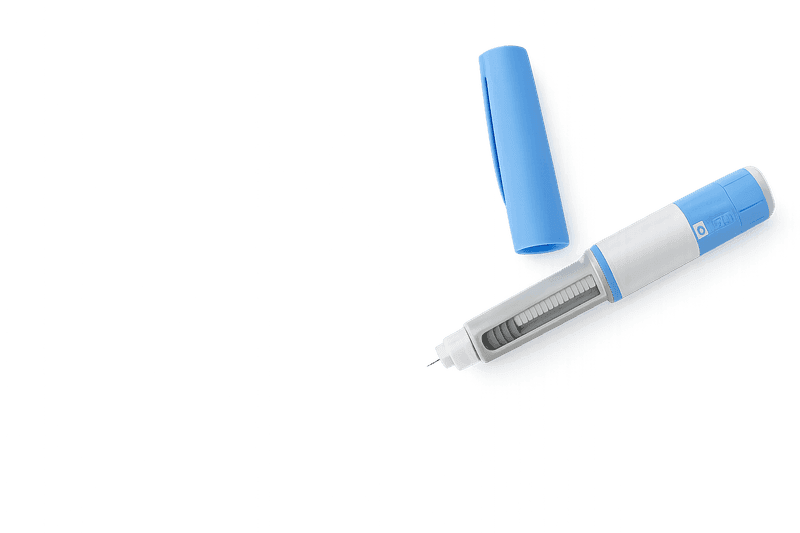
Woman getting a GLP-1 weight loss injection pen ready

How can you reduce nausea and other GI side effects?

You can usually reduce nausea and other GI side effects of GLP-1 drugs by following the gradual dose schedule, eating smaller meals, stopping when you feel full, limiting fatty or greasy foods and staying well hydrated. If symptoms are hard to tolerate, talk to your clinician before your next dose increase rather than escalating on schedule regardless.

None of these steps is a guarantee, and none replaces advice from your own prescriber. They are practical habits that work with the way these drugs slow digestion, rather than against it.

1. Respect the titration schedule

The Wegovy and Zepbound labels both use step-by-step dose increases because GI effects are most common during escalation. Skipping ahead to a higher dose to speed up weight loss is one of the most reliable ways to make yourself sick. If you are not tolerating a dose, your clinician may keep you there longer before moving up. That is a normal, label-consistent adjustment, not a failure.

2. Eat smaller meals, more slowly

Because food leaves your stomach more slowly, a portion that felt normal before treatment can now feel like too much. Smaller plates, eating slowly and pausing partway through a meal give your fullness signals time to register.

3. Stop eating when you feel full

This sounds obvious, but many people were raised to finish their plate. On a GLP-1, the "full" signal arrives earlier and is worth listening to. Eating past it is a common trigger for nausea, reflux and vomiting.

4. Go easy on fatty, greasy and very rich foods

Heavy, high-fat meals take longer to digest, which compounds the drug's slowing effect. Many people find that fried food or a rich restaurant meal is the most likely to trigger symptoms, especially in the first weeks after a dose increase.

5. Stay hydrated

Sip fluids steadily through the day, and pay extra attention if you have vomiting or diarrhea. The Wegovy label notes that dehydration from GI fluid losses has been linked to kidney injury in postmarketing reports, which is one reason hydration matters more than it might seem.

6. Plan for constipation as well as nausea

Constipation affected 24% of people on Wegovy versus 11% on placebo, according to the label. Eating less overall can also mean less fiber and fluid. Ask your clinician what they recommend before reaching for any over-the-counter remedy.

7. Keep your prescriber in the loop

Tell your clinician if:

  • You cannot keep food or fluids down.
  • Symptoms are getting worse rather than better after a dose change.
  • You have severe or persistent abdominal pain, which can signal something more serious than routine side effects.
  • You notice signs of dehydration, such as passing much less urine.

A quick checklist to keep handy:

HabitWhy it helps
Follow the dose scheduleGI effects peak during escalation
Smaller mealsYour stomach empties more slowly
Stop at fullOvereating is a common nausea trigger
Limit greasy foodRich meals digest slowly
HydrateProtects against dehydration from GI losses
Speak up earlyYour clinician can slow or adjust escalation

For meal ideas, protein strategies and foods that tend to sit well, see our guide on what to eat on GLP-1 medication.

Can GLP-1 medications cause gallstones or gallbladder disease?

Yes, GLP-1 medications can increase the risk of gallstones and acute gallbladder disease. In Wegovy trials, gallstones (cholelithiasis) occurred in 1.6% of people on the semaglutide injection versus 0.7% on placebo, and the Zepbound label reports gallstones in 1.1% of people in its pooled weight-loss trials. Both labels list gallbladder disease as a warning.

What the labels say

The 2025 Wegovy prescribing information reports cholelithiasis in 1.6% of people on Wegovy injection compared with 0.7% on placebo, and in 2.5% of people taking the Wegovy tablet. The Zepbound prescribing information warns of an increased occurrence of acute gallbladder disease and reports cholelithiasis in 1.1% of people in pooled weight-loss trials.

DrugGallstones on drugGallstones on placeboSource
Wegovy injection1.6%0.7%Wegovy label
Wegovy tablet2.5%Not shown hereWegovy label
Zepbound1.1%Not shown hereZepbound label

Relative vs absolute risk

The Wegovy injection numbers roughly double the gallstone rate compared with placebo. That sounds alarming, but it is a relative comparison. In absolute terms, the difference is about 1 extra case per 100 people (1.6% versus 0.7%). Most people on these drugs in the trials did not develop gallstones.

Why weight loss drugs affect the gallbladder

Rapid weight loss itself is a well-known risk factor for gallstones, regardless of how the weight is lost. Because GLP-1 drugs can produce substantial weight loss, some of the extra risk likely comes from the weight loss rather than from the molecule alone. The labels do not attempt to split the two apart, so it is safest to treat gallbladder disease as a real, drug-associated risk.

Gallbladder problems in the news

Gallbladder disease is part of the current litigation. NPR reported in October 2026 that one major consolidated lawsuit involves more than 4,000 plaintiffs with serious digestive conditions such as pancreatitis or gallstones. A lawsuit count tells you that harms happen, not how often they happen. With millions of users, the label percentages remain the better guide to your individual odds.

Warning signs to know

Gallbladder problems typically show up as:

  • Pain in the upper right side of the abdomen, sometimes after meals
  • Fever
  • Yellowing of the skin or the whites of the eyes (jaundice)
  • Nausea and vomiting that feel different from your usual side effects

If you notice these symptoms, contact your clinician promptly, and seek urgent care if the pain is severe or you have fever or jaundice.

Who should mention gallbladder history

If you have had gallstones or gallbladder attacks before, tell your prescriber before you start. A past history does not automatically rule out treatment, but it is part of the risk conversation, especially if you are expected to lose weight quickly.

Do GLP-1 drugs cause pancreatitis?

GLP-1 drugs have been linked to acute pancreatitis, but it is rare. In Wegovy trials, adjudicated acute pancreatitis occurred at a rate of 0.2 cases per 100 patient-years on semaglutide versus under 0.1 on placebo, and the Wegovy label advises stopping the drug promptly if pancreatitis is suspected. Research on the size of the risk is inconsistent.

What the label shows

According to the Wegovy prescribing information, acute pancreatitis was confirmed by adjudication (an independent expert review of each case) in 4 Wegovy-treated patients, or 0.2 cases per 100 patient-years, compared with 1 patient on placebo, under 0.1 cases per 100 patient-years. "Patient-years" counts each person for every year they were in the study, so 0.2 per 100 patient-years means about 2 cases for every 1,000 years of combined treatment time.

The label instructs that Wegovy be discontinued promptly if pancreatitis is suspected.

What the wider research says

Two other lines of evidence point in the same direction but with important caveats.

  • A large meta-analysis. A pooled analysis of 62 randomized controlled trials with 66,232 patients found a pancreatitis risk ratio of 1.44 (95% CI 1.09 to 1.89) with GLP-1 drugs, according to the published review. That is a relative increase of about 44%. The authors found that subgroup results were not significant and that the broader literature is inconsistent.
  • An observational study. A 2023 JAMA research letter by Sodhi and colleagues compared people using semaglutide or liraglutide for weight loss with people using bupropion-naltrexone, a different weight loss drug. It reported roughly 9 times the risk of pancreatitis, as covered by Federal Practitioner. The absolute risks were small, and because the study was observational, it shows an association rather than proof of cause.

Why "9 times the risk" is less scary than it sounds

A ninefold increase is a relative risk. If an event is very rare to begin with, multiplying it still leaves a small number. The Sodhi study's authors and the coverage both stress that absolute risks were small. Observational studies can also be skewed by differences between the groups being compared. The trial data in the Wegovy label, where people were randomly assigned to drug or placebo, show an absolute difference of a fraction of a case per 100 patient-years. Both views agree that pancreatitis is a real signal and that it is uncommon.

Symptoms to take seriously

Acute pancreatitis usually causes:

  • Severe, persistent pain in the upper abdomen, which may spread to your back
  • Pain that does not ease and may come with vomiting

This pain is different from the mild queasiness many people feel after an injection. If you have severe abdominal pain that does not go away, get medical care right away and hold off on your next dose until a clinician has assessed you. The Wegovy label says to discontinue promptly if pancreatitis is suspected.

If you have had pancreatitis before

Tell your prescriber about any past episode of pancreatitis before starting a GLP-1, so that your history can be weighed as part of the decision.

Pancreatitis is also one of the conditions named in the consolidated digestive lawsuit of more than 4,000 plaintiffs reported by NPR, which also noted that FDA adverse event reports cannot show how often such harms occur.

Can GLP-1s cause gastroparesis, ileus or bowel obstruction?

GLP-1 drugs have been linked to rare but serious digestive complications, including gastroparesis (stomach paralysis), ileus (a bowel that stops moving) and bowel obstruction. The FDA required an ileus warning on the Ozempic label in 2023, and an observational study found higher relative risks of these conditions with semaglutide or liraglutide, though the absolute risks were small.

What these conditions are

  • Gastroparesis means the stomach empties so slowly that food sits there far longer than it should, causing ongoing nausea, vomiting, fullness and pain.
  • Ileus is a temporary loss of the normal muscle movement that pushes contents through the intestines, without a physical blockage.
  • Bowel obstruction is a blockage that stops contents from passing through the intestine.

Because GLP-1 drugs deliberately slow gastric emptying, it makes biological sense that, in a small number of people, the slowdown could become more severe. The open question is how often that happens.

The FDA ileus warning

On September 28, 2023, it was announced that the FDA had required a warning about ileus on the Ozempic label, as reported by Federal Practitioner. A label warning means regulators considered the reports strong enough to inform prescribers and patients, not that ileus is common.

What the JAMA study found

The 2023 JAMA research letter by Sodhi and colleagues compared people using semaglutide or liraglutide for weight loss with people using bupropion-naltrexone. As summarized by Federal Practitioner, the GLP-1 users had:

ComplicationRelative risk vs bupropion-naltrexone
PancreatitisAbout 9 times higher
Bowel obstructionAbout 4 times higher
GastroparesisAbout 3.67 times higher (HR 3.67, 95% CI 1.15 to 11.90)

These are relative risks. The absolute risks were small, meaning the great majority of people in both groups did not develop these conditions. The study was also observational: people were not randomly assigned to their drug, so other differences between the groups could affect the results. The wide confidence interval for gastroparesis, ranging from just over 1 to nearly 12, shows how much uncertainty surrounds the exact size of that risk.

Why the lawsuits matter, and why they do not settle the question

NPR reported that more than 4,000 plaintiffs in a consolidated lawsuit allege serious digestive conditions. NPR also pointed out that the FDA's adverse event reporting system is mostly voluntary and unverified, so it cannot reveal how often these harms truly occur. Real people are being hurt, and the frequency is still uncertain. Both statements are true at once.

Symptoms that are not "normal" side effects

Ordinary GLP-1 nausea tends to come and go, especially around dose increases. Get prompt medical advice if you have:

  • Vomiting that will not stop, or you cannot keep fluids down
  • Severe bloating with abdominal pain
  • Being unable to pass stool or gas, especially with pain or swelling
  • Feeling full for many hours after very small amounts of food, with worsening nausea

Severe gastrointestinal reactions occurred in 4.1% of people on Wegovy versus 0.9% on placebo in the Wegovy label data, so severe symptoms are uncommon but not unheard of. Do not try to treat them on your own, and do not take your next dose until you have spoken with your clinician.

Why do you need to tell your surgeon or anesthesiologist you take a GLP-1?

You need to tell your surgeon or anesthesiologist you take a GLP-1 because these drugs slow stomach emptying, and food can remain in the stomach even after normal fasting. In November 2024, the FDA added pulmonary aspiration (inhaling stomach contents into the lungs) during anesthesia or sedation to the Warnings and Precautions of GLP-1 drug labels, including tirzepatide.

What the FDA warning says

According to Medscape, the November 2024 label update was based on rare postmarketing reports of pulmonary aspiration in patients who had retained gastric contents despite fasting before a procedure. The FDA said the available data were insufficient to guide specific steps to reduce the risk, and that patients should tell their healthcare providers they take a GLP-1 before any planned procedure.

Aspiration is a concern because, under general anesthesia or deep sedation, your normal reflexes that protect your airway are reduced. If your stomach is not empty, its contents can travel up and into the lungs. That is why standard fasting rules exist, and why a drug that keeps food in the stomach longer changes the calculation.

What anesthesiologists now recommend

In 2024, a multisociety group led by the American Society of Anesthesiologists published updated guidance, available through PubMed Central. Its key points:

  • Many patients can keep taking the drug. GLP-1 therapy may be continued before surgery in patients who are not at elevated risk of delayed gastric emptying.
  • Higher-risk patients may need a liquid diet. For people at higher risk, clinicians can consider a liquid diet for 24 hours before the procedure.
  • Holding the drug is still an option. The original ASA approach, holding daily formulations on the day of surgery and weekly formulations a week before, remains an option.
  • Decide together, and early. The guidance emphasizes shared decision-making and assessing risk early, well before the day of surgery.

Who counts as higher risk?

The guidance asks clinicians to assess each patient's risk of delayed gastric emptying early, as part of planning. Your anesthesiologist cannot make that assessment if they do not know you are on a GLP-1, which is why telling them matters more than any single rule.

What to do before any procedure

  1. Tell every provider involved: the surgeon, the anesthesiologist and the person who schedules the procedure. This applies to any procedure with anesthesia or sedation, not only major surgery.
  2. Name the exact drug and dose, and whether it is daily or weekly, brand-name or compounded.
  3. Mention current GI symptoms, such as nausea or fullness.
  4. Ask early what you should do with your dose and your diet before the procedure. Do not stop or change your medication on your own; follow the plan your care team gives you.
  5. Do not hide it because you worry about being judged for using a weight loss drug. The point is safety.

If you are getting your prescription through an online provider, keep a written record of your medication, dose and start date so you can share it easily. If your procedure is unplanned, such as an emergency, tell the team as soon as you can.

Can semaglutide cause sudden vision loss (NAION)?

Semaglutide (Ozempic, Wegovy, Rybelsus) can, very rarely, cause NAION, a condition in which reduced blood flow damages the optic nerve and causes sudden vision loss, usually in one eye. The European Medicines Agency concluded in June 2025 that NAION is a very rare side effect of semaglutide, affecting up to 1 in 10,000 people.

What NAION is

NAION stands for non-arteritic anterior ischemic optic neuropathy. "Ischemic" means caused by poor blood supply. Because it affects the nerve that carries signals from the eye to the brain, it is taken seriously despite being rare.

What European regulators concluded

In June 2025, the safety committee (PRAC) of the European Medicines Agency concluded that NAION is a very rare side effect of semaglutide medicines, occurring in up to 1 in 10,000 people. The EMA said several large epidemiological studies in adults with type 2 diabetes suggest about a 2-fold increased risk, which works out to roughly 1 additional case per 10,000 person-years. The agency advised that semaglutide be stopped if NAION is confirmed, and that patients seek care for sudden vision loss.

The World Health Organization issued an information note on semaglutide and NAION on June 27, 2025. EU product information was updated on September 30, 2025, according to the Danish Medicines Agency.

Relative vs absolute risk

"Twice the risk" is a relative figure. Because NAION is rare to begin with, doubling it adds about 1 case per 10,000 person-years, per the EMA. To picture it: if 10,000 people took semaglutide for one year, about one extra person might develop NAION compared with if they had not.

The evidence is mixed

Much of the strongest evidence comes from people with type 2 diabetes. How well it applies to people taking semaglutide only for weight loss is less clear.

US labeling and lawsuits

As of this writing, NAION is not listed in the US prescribing information for Ozempic or Wegovy, while the EU label lists it, according to Drugwatch. In the US, NPR reported that one consolidated lawsuit involves 247 plaintiffs with NAION. Novo Nordisk told NPR that NAION and other serious conditions were exceedingly rare in its trials, and the companies dispute the claims, per MIT Technology Review. NPR covered the litigation further in an October 10 follow-up.

What about tirzepatide?

The EMA conclusion covers semaglutide medicines. Our fact base for this guide does not include a regulatory conclusion on NAION for tirzepatide (Zepbound, Mounjaro), so we cannot tell you its risk is the same, higher or lower.

What to do

  • Sudden vision loss is an emergency. Seek medical care right away, as the EMA advises, and tell the team you take semaglutide.
  • If NAION is confirmed, semaglutide should be stopped, per the EMA.
  • If you already have optic nerve disease or have had NAION, discuss it with your prescriber and eye doctor before starting.

What other eye changes have been linked to GLP-1s?

Beyond NAION, the main eye issue linked to GLP-1 drugs is a warning about diabetic retinopathy complications on the Ozempic and Wegovy labels. People with a history of diabetic retinopathy should be monitored, because rapid improvement in blood sugar is the suspected factor in these complications.

The diabetic retinopathy warning

Diabetic retinopathy is damage to the small blood vessels in the retina caused by long-term high blood sugar. The Wegovy prescribing information includes a warning about diabetic retinopathy complications and says patients with a history of diabetic retinopathy should be monitored. Ozempic carries a similar warning.

The suspected explanation is not that the drug directly damages the retina. Instead, a rapid improvement in blood sugar, which is the goal of diabetes treatment, appears to be a factor in some people with existing retinopathy. The precise mechanism is still uncertain, so it is best treated as a reason for monitoring rather than a reason for alarm.

Who this applies to

  • People with type 2 diabetes and known retinopathy. This group is the focus of the label warning.
  • People with diabetes who have not had a recent eye exam. If you do not know whether you have retinopathy, ask your clinician whether you should be checked before or soon after starting.
  • People without diabetes. The warning is about complications of existing diabetic retinopathy, so it is less directly relevant if you do not have diabetes. You should still report any change in vision.

International regulators

Regulators in the UK and Australia have also issued warnings about semaglutide and eye conditions, according to Drugwatch. We have not independently verified the details of those warnings, so we mention them only as reported. The best-documented regulatory conclusion remains the European Medicines Agency's 2025 finding on NAION, covered in the previous section.

Eye symptoms you should report

SymptomWhy it mattersWhat to do
Sudden loss of vision, or a dark area in your vision, in one eyePossible NAION or another eye emergencySeek urgent care the same day
Any change in vision if you have diabetic retinopathyPossible retinopathy complicationsContact your clinician or eye doctor promptly
Any vision change you cannot explainWorth checking while on a new medicationMention it to your prescriber

Questions to ask your clinician

  • Do I need an eye exam before starting a GLP-1, given my history?
  • How will you monitor my eyes if I have diabetic retinopathy?
  • What vision symptoms should make me stop and call you?

Why the evidence is still developing

Eye side effects are among the areas MIT Technology Review described as still being worked out, with mixed research on optic nerve damage. Expect more studies, and possibly more label changes, as use continues to grow. If you have an eye condition, keeping your eye doctor and your prescriber in contact with each other is one of the most useful steps you can take.

Do GLP-1 drugs cause thyroid cancer?

It is not known whether GLP-1 drugs cause thyroid cancer in humans. Semaglutide and tirzepatide carry a boxed warning because they caused thyroid C-cell tumors in rodents, but large human studies, including a Scandinavian cohort and a 2025 US multi-database study, did not find a significant increase in thyroid cancer. One French study did report an association.

What the boxed warning says

The Zepbound and Wegovy labels both carry a boxed warning, the FDA's most prominent type of warning. The key points:

  • The drugs caused thyroid C-cell tumors in rodents.
  • It is unknown whether they cause thyroid C-cell tumors, including medullary thyroid carcinoma (MTC), in humans.
  • They are contraindicated (should not be used) in people with a personal or family history of MTC or with Multiple Endocrine Neoplasia syndrome type 2 (MEN 2).
  • Patients should be counseled about symptoms such as a lump or swelling in the neck, trouble swallowing, shortness of breath and persistent hoarseness.
  • Routine monitoring with calcitonin blood tests or thyroid ultrasound is of uncertain value.

MTC is a specific, uncommon type of thyroid cancer that arises from C-cells. It is different from the more common thyroid cancers most people have heard of.

What human studies show

StudyFindingSource
Scandinavian cohort (Denmark, Norway, Sweden, 2007 to 2021; BMJ 2024)No increased thyroid cancer risk: HR 0.93 (95% CI 0.66 to 1.31) vs DPP-4 inhibitors; HR 1.16 (0.65 to 2.05) vs SGLT2 inhibitorsPMC
French nested case-control study (Bezin et al., Diabetes Care 2023)Reported an association with thyroid cancer after 1 to 3 years of use (reported as about a 58% increase)Review
US multi-database cohort (Diabetes Care 2025)No statistically significant increase in thyroid tumors vs SGLT2 inhibitors, DPP-4 inhibitors or sulfonylureas; higher detection in the first year suggests surveillance biasPMC

How to read these results

The Scandinavian study compared GLP-1 users with people taking other diabetes drugs. A hazard ratio of 0.93 means essentially no difference, and the confidence intervals cross 1, so the results are consistent with no change in risk.

The French case-control study is the main study pointing the other way. A reported 58% increase is a relative figure, and thyroid cancer is uncommon, so the absolute difference would be small. Case-control designs are also more prone to certain biases.

The 2025 US study offers a likely explanation for some early signals: surveillance bias. People starting a new drug see their doctors more and may have more tests, so existing small thyroid tumors are found sooner. A spike in detection in the first year, rather than a steady rise over time, fits that pattern better than a drug causing new cancers.

What this means for you

  • If you or a close relative has had MTC, or you have MEN 2, these drugs are contraindicated. Make sure your prescriber knows your family history.
  • If you have no such history, the human evidence so far is largely reassuring, though not final.
  • Report neck symptoms. A neck lump, trouble swallowing, shortness of breath or persistent hoarseness should be checked by your clinician, as the labels advise.

Compounded semaglutide and tirzepatide are not FDA-approved and do not come with the same reviewed labeling, but they contain the same active ingredients, so the same thyroid history questions apply. Our guide to compounded vs brand-name semaglutide explains the other differences.

Do GLP-1 drugs cause depression or suicidal thoughts?

Current evidence does not show that GLP-1 drugs cause depression or suicidal thoughts. In January 2024, the FDA said its preliminary evaluation found no evidence that GLP-1 receptor agonists cause suicidal thoughts or actions, though it could not definitively rule out a small risk, and in April 2024 the European Medicines Agency concluded the evidence does not support a causal link, as reported by STAT.

How the concern started

The question gained attention after reports from Iceland prompted the EMA's safety committee (PRAC) to open a review in July 2023, as reported by STAT. Individual reports like these are how regulators spot possible signals, but on their own they cannot show whether a drug caused the problem.

What regulators concluded

  • FDA, January 2024. The agency's preliminary evaluation found no evidence that GLP-1 receptor agonists cause suicidal thoughts or actions. The FDA said it could not definitively rule out a small risk (FDA update).
  • EMA, April 2024. After its review, the PRAC concluded that the available evidence does not support a causal link between GLP-1 receptor agonists and suicidal thoughts or actions, and that no update to the product information was needed, according to STAT and Hospital Pharmacy Europe.

What changed on the US labels in 2026?

The FDA went a step further in 2026. In a FDA Drug Safety Communication, January 13, 2026, the agency asked the makers of Wegovy (semaglutide), Zepbound (tirzepatide) and Saxenda (liraglutide) to remove the information about suicidal ideation and behavior from their US labeling, following the reviews described above. That does not mean mood should be ignored: your prescriber should still ask how you are feeling, and you should raise any change in mood, especially if you have a history of depression.

"No causal link" is not the same as "no mood effects"

The regulatory reviews looked at suicidal thoughts and actions. They do not mean everyone feels the same on these drugs. Changes in appetite and in your relationship with food, along with the life changes that come with significant weight loss, can stir up complicated feelings. Those experiences are worth discussing even when a drug is not causing a psychiatric condition. Our article on GLP-1s and mental health covers this in more depth.

What to do

  1. Tell your prescriber about any history of depression, anxiety, eating disorders or suicidal thoughts before you start.
  2. Notice changes in mood, sleep, interest in activities or thoughts about yourself after starting or increasing a dose, and share them.
  3. Do not stop other mental health medications on your own because you started a GLP-1. Talk to your clinicians first.
  4. Get help right away if you have thoughts of harming yourself. In the US, you can call or text 988 to reach the 988 Suicide & Crisis Lifeline at any time. If you are in immediate danger, call 911.

Lowest-priced GLP-1 plans

The cheapest published plans, sorted from lowest price, with the terms listed under every price.

Will you lose muscle on a GLP-1 medication?

Yes, some of the weight you lose on a GLP-1 medication such as semaglutide (Wegovy) or tirzepatide (Zepbound) is lean mass, not just fat. In the trial body-scan substudies, roughly a quarter to about two-fifths of the total weight lost was lean mass, a share that is broadly similar to what happens with other ways of losing weight.

That headline sounds alarming, so it helps to look at what the scans actually measured and what the numbers mean for you.

What the trial scans found

Researchers used DXA scans (dual-energy X-ray absorptiometry, the same kind of scan used to check bone density) in small subgroups of the big trials. For semaglutide, a review of the STEP 1 DXA substudy reports that lean mass made up about 40% of total weight lost, between 38.6% and 40.0% depending on the statistical method used (review in PubMed Central).

For tirzepatide, the SURMOUNT-1 DXA substudy (Look et al., Diabetes, Obesity and Metabolism, 2025) followed 160 participants. At week 72, body weight was down 21.3%, fat mass was down 33.9% and lean mass was down 10.9%. Put another way, about 75% of the weight lost was fat and about 25% was lean mass, and that ratio was similar for people on tirzepatide and people on placebo (Diabetes, Obesity and Metabolism).

Trial substudyDrugWhat the DXA scan showedSource
STEP 1 DXA substudySemaglutide 2.4 mgLean mass was about 40% (38.6% to 40.0%) of total weight lostPMC review
SURMOUNT-1 DXA substudy (n=160)TirzepatideWeight -21.3%, fat mass -33.9%, lean mass -10.9% at week 72; about 75% fat and 25% lean, similar to placeboLook et al., 2025

"Lean mass" is not the same as muscle

One important detail often gets lost in headlines: DXA "lean mass" is everything that is not fat or bone. It includes water, organs and other tissue, not only skeletal muscle (PMC review). So a drop in lean mass on a scan does not mean the same amount of muscle disappeared. Some of that change reflects the fact that a smaller body simply needs less supporting tissue and carries less water.

What this means for you

  • Some lean loss is expected with any meaningful weight loss, whether from a medication, a diet or surgery.
  • The proportion matters more than the raw number. In the SURMOUNT-1 substudy, the fat-to-lean ratio on tirzepatide was about the same as on placebo, which suggests the drug did not uniquely strip away lean tissue (Look et al.).
  • Muscle still deserves attention, especially if you are older, already have low muscle mass or are losing weight quickly. Muscle supports strength, balance and metabolic health as you age.

The good news is that lean mass loss is one of the side effects you can actively push back against. The next section covers the protein and exercise targets that nutrition and obesity experts recommend.

How can you protect muscle while losing weight on a GLP-1?

The best-supported way to protect muscle on a GLP-1 medication is to combine regular resistance training with enough protein. A 2025 joint advisory from four US nutrition and obesity organizations recommends strength training at least three times a week and suggests protein targets above the basic daily reference for people losing weight on these drugs.

The advisory was published May 30, 2025 in the American Journal of Clinical Nutrition by the American College of Lifestyle Medicine, the American Society for Nutrition, the Obesity Medicine Association and The Obesity Society (Mozaffarian et al.) (American Journal of Clinical Nutrition). Its key points are below.

AreaWhat the joint advisory says
Baseline protein reference0.8 g of protein per kg of body weight per day
Higher protein target1.2 to 1.7 g/kg/day proposed, together with strength training
Simple daily optionAn absolute target of 80 to 120 g of protein per day
Resistance trainingAt least 3 times per week
Aerobic activityAt least 150 minutes of moderate activity per week
Protein aloneLikely inadequate to protect muscle without resistance training

Source: Mozaffarian et al., American Journal of Clinical Nutrition, 2025.

Why protein is harder on a GLP-1

GLP-1 medications turn down appetite and slow stomach emptying, so many people simply eat less of everything, including protein. When portions shrink, it becomes easy to fill up on low-protein foods and fall short without noticing. A few practical habits help:

  • Eat the protein part of the meal first, before you feel full.
  • Spread protein across the day instead of saving it for one large meal, which may be harder to tolerate if you have nausea.
  • Choose easy-to-tolerate sources such as eggs, yogurt, fish, poultry, tofu, beans or a protein shake if solid food feels heavy.
  • Ask your clinician which target makes sense for you, especially if you have kidney disease or another condition where protein intake needs medical guidance.

Why resistance training matters most

The advisory is clear that protein on its own is probably not enough: muscle needs a training signal to be maintained (AJCN advisory). Resistance training does not have to mean a gym. Body-weight exercises, resistance bands, dumbbells at home and weight machines all count. What matters is working the major muscle groups and gradually making it harder over time.

  1. Start with two or three short sessions a week and build toward at least three, as the advisory recommends.
  2. Cover legs, hips, back, chest, shoulders and arms.
  3. Add walking or other moderate aerobic activity to reach the 150-minute weekly goal.
  4. If you feel dizzy or weak, check that you are eating and drinking enough, and talk to your clinician.

For sample routines and tips on training when your appetite is low, see our guide to exercise while on GLP-1 medication.

Why does hair fall out on GLP-1s, and does it grow back?

Hair loss on GLP-1 medications such as Wegovy and Zepbound is usually a shedding pattern linked to rapid weight loss and changes in nutrition, and this type of shedding is often reversible. In the Wegovy trials, 3% of people on the drug reported hair loss compared with 1% on placebo.

How common is hair loss?

The Wegovy prescribing information lists hair loss (alopecia) in 3% of adults on Wegovy versus 1% on placebo (FDA Wegovy label). The Zepbound prescribing information also lists hair loss among its common adverse reactions (Zepbound label).

A preprint, which has not yet been peer reviewed, reported alopecia in 3.3% of GLP-1 users versus 1.4% of comparison patients, and a higher rate among people who lost more than 20% of their body weight: 5.3% versus 2.5% (medRxiv preprint). Those are relative differences of roughly two-fold, but the absolute rates in both groups were still in the low single digits. The pattern points toward the amount and speed of weight loss as a driver.

SourceGLP-1 groupComparison group
Wegovy label (trials)3%1% (placebo)
Preprint, all users (not peer reviewed)3.3%1.4%
Preprint, more than 20% weight loss5.3%2.5%

Why it happens

A University of Pennsylvania study reported by Healio on July 31, 2026 found that the association between GLP-1 therapy and hair loss in people with type 2 diabetes was driven mainly by non-scarring forms such as telogen effluvium, a type of shedding that is often reversible. The researchers suspect rapid weight loss and nutritional change are behind it (Healio).

Telogen effluvium happens when a stressor pushes more hair follicles than usual into their resting phase at the same time, so you notice extra shedding some time later. A review notes that rapid weight loss can lead to micronutrient deficiencies, including iron, zinc and vitamin D, which are known triggers of telogen effluvium (PMC review).

The science is still young. MIT Technology Review reported in October 2026 that hair loss and nail disorders are being investigated but the evidence is limited (MIT Technology Review).

What you can do

  • Keep eating enough protein and a varied diet, even when your appetite is low.
  • Ask your clinician about checking iron, zinc or vitamin D if shedding is heavy, rather than starting high-dose supplements on your own.
  • Tell your clinician if you notice patchy bald spots, scalp pain or scarring, which are not typical of telogen effluvium and need a proper evaluation.
  • Be patient. Shedding from telogen effluvium often settles once the trigger eases.

For a deeper look at timelines and treatment options, read our guide to Ozempic hair loss.

Can GLP-1s affect your kidneys or cause low blood sugar?

GLP-1 medications such as Wegovy can contribute to acute kidney injury when severe vomiting or diarrhea causes dehydration, and they can cause low blood sugar mainly when combined with insulin or sulfonylureas. On their own, in people without diabetes, low blood sugar is not the typical concern.

Kidneys: the dehydration link

The Wegovy prescribing information notes that acute kidney injury has been reported after the drug reached the market, sometimes requiring hemodialysis. These cases have been linked to dehydration from gastrointestinal fluid losses, such as vomiting and diarrhea. The label advises monitoring kidney function in patients who report severe GI reactions (FDA Wegovy label).

In other words, the main kidney risk is indirect. GLP-1 drugs do not appear to attack the kidneys directly; the problem arises when you lose a lot of fluid and cannot replace it. That makes the GI side effects covered earlier in this guide more than a comfort issue.

Watch for these warning signs of dehydration and call your clinician if they appear:

  • Vomiting or diarrhea that will not stop, or being unable to keep fluids down
  • Peeing much less than usual, or very dark urine
  • Dizziness or lightheadedness, especially when you stand up
  • Extreme thirst, dry mouth or unusual tiredness

The other side of the kidney story

Kidney research on semaglutide is not all about harm. In the FLOW trial, people with type 2 diabetes and chronic kidney disease who took semaglutide 1.0 mg had a 24% lower risk of the primary kidney composite outcome (American Journal of Kidney Diseases). In a kidney analysis of the SELECT trial, which enrolled adults with overweight or obesity and heart disease but no diabetes, the composite kidney endpoint occurred in 1.8% of people on semaglutide versus 2.2% on placebo, a hazard ratio of 0.78 (Nature Medicine). The absolute difference is small, but it points in a protective direction.

Low blood sugar (hypoglycemia)

GLP-1 drugs lower blood sugar in a glucose-dependent way, so by themselves they rarely push it too low. The risk rises mainly when a GLP-1 is combined with insulin or a sulfonylurea (FDA Wegovy label).

If you have diabetes and take insulin or a sulfonylurea, make sure the clinician prescribing your GLP-1 knows, and learn the signs of low blood sugar: shakiness, sweating, a fast heartbeat, confusion, hunger or irritability. Never adjust insulin or other diabetes medicines on your own; your care team should plan any changes with you.

Is it safe to take a GLP-1 if you are pregnant, trying to conceive or on the pill?

GLP-1 weight loss medications are not meant to be used during pregnancy: the Wegovy label says to stop at least 2 months before a planned pregnancy and to stop once a pregnancy is recognized. If you take Zepbound and use birth control pills, the Zepbound label advises adding a backup method or switching to a non-oral method for 4 weeks after starting and after each dose increase.

Pregnancy and planning a pregnancy

Weight loss offers no benefit during pregnancy, and these medicines stay in the body for a long time. Because semaglutide has a long half-life, the Wegovy prescribing information advises discontinuing it at least 2 months before a planned pregnancy, and discontinuing it when pregnancy is recognized (FDA Wegovy label).

What this means in practice:

  • If you are planning to get pregnant, talk with your clinician about a timeline for stopping the medication well ahead of trying to conceive.
  • If you find out you are pregnant while taking a GLP-1, stop and contact your clinician promptly to plan next steps.
  • If you are not planning a pregnancy, use reliable contraception while on treatment, and ask your clinician whether your method is affected by the medication.

Zepbound and birth control pills

Tirzepatide slows stomach emptying, which can change how well oral medicines are absorbed. For that reason, the Zepbound prescribing information advises people who use oral hormonal contraceptives to switch to a non-oral method, or add a barrier method such as condoms, for 4 weeks after starting Zepbound and for 4 weeks after each dose increase (Zepbound label).

SituationLabel guidanceSource
Planning a pregnancy on WegovyStop at least 2 months before a planned pregnancyWegovy label
Pregnancy recognized on WegovyDiscontinueWegovy label
On Zepbound and the pillSwitch to a non-oral method or add a barrier method for 4 weeks after starting and 4 weeks after each dose increaseZepbound label

Because your dose usually goes up in steps during the first months, those 4-week backup windows can add up. It helps to mark each dose change on a calendar so you know when you need the extra protection.

Questions to raise with your clinician

  1. How far ahead of trying to conceive should I stop, given the specific drug I take?
  2. Does my birth control method need a backup while I start or increase my dose?
  3. What is my plan for weight and blood sugar during pregnancy and after I stop the medication?
  4. When is it reasonable to restart after pregnancy, and does breastfeeding change that?

If your provider does not bring these topics up during your intake, ask. A good GLP-1 program should screen for pregnancy plans and contraception before prescribing.

What happens to your weight when you stop a GLP-1?

Most people regain a large share of the weight they lost after stopping a GLP-1 medication: one year after stopping semaglutide in the STEP 1 extension, participants had regained about two-thirds of their prior weight loss. The tirzepatide trial SURMOUNT-4 showed a similar pattern, with meaningful regain when people switched to placebo.

What the trials found

In the STEP 1 extension, people who stopped semaglutide regained about two-thirds of the weight they had lost within a year, and most of the cardiometabolic improvements they had gained largely reverted as well (STEP 1 extension, PubMed Central).

In SURMOUNT-4, everyone first took tirzepatide for a 36-week lead-in. Then some participants continued tirzepatide and others were switched to placebo. Between weeks 36 and 88, people who switched to placebo regained 14.0% of their body weight, while those who stayed on tirzepatide lost a further 5.5%. By the end, 89.5% of people who continued tirzepatide had kept at least 80% of their lead-in weight loss, compared with 16.6% of those on placebo (SURMOUNT-4, PubMed Central).

TrialStopped the drugStayed on the drug
STEP 1 extension (semaglutide)Regained about two-thirds of prior weight loss within a yearNot applicable (extension followed people after stopping)
SURMOUNT-4 (tirzepatide), weeks 36 to 88+14.0% weight regain; 16.6% kept at least 80% of loss-5.5% further loss; 89.5% kept at least 80% of loss

Why weight comes back

GLP-1 medications work while you take them. They reduce hunger and help you feel full sooner, but they do not permanently reset appetite. When the drug leaves your system, appetite signals return, and the body tends to defend its previous weight. Obesity behaves like other chronic conditions in this way: treatment controls it rather than curing it.

Many people stop anyway

Real-world data show that stopping is very common. Prime Therapeutics found that among people without diabetes who started a GLP-1 for weight loss in 2021, only about 1 in 12 (around 8%) were still on therapy three years later (Prime Therapeutics). Blue Health Intelligence data, reported by Mercer, suggest about 30% stop within the first month (Mercer).

If you are thinking about stopping

  • Talk to your clinician first about whether to taper, switch to a lower maintenance dose or change medications.
  • Keep the habits that outlast the drug: strength training, protein-rich meals and regular activity.
  • Plan for follow-up after you stop, since the STEP 1 extension showed cardiometabolic improvements can fade.

Our guide on what happens when you stop GLP-1 medication covers tapering strategies and how to plan for maintenance.

Are compounded and gray-market GLP-1s riskier than brand-name drugs?

Compounded GLP-1s such as compounded semaglutide are not FDA-approved, and the FDA has warned that dosing errors with compounded injectable semaglutide have sent some patients to the hospital. Gray-market products sold as "research chemicals," including the investigational drug retatrutide, carry even more uncertainty because no one can verify what is inside the vial.

Compounded is not the same as approved

When a drug is FDA-approved, the agency has reviewed evidence on its safety, effectiveness and manufacturing quality. The FDA does not review the safety or effectiveness of compounded versions (diaTribe). Compounded medications are made by pharmacies under different rules, and the active ingredient may be the same molecule, but the final product has not gone through the approval process. For a full comparison of how these products differ, see our guide to compounded semaglutide vs brand name, and for how pharmacy types are regulated, read 503A vs 503B pharmacies.

The dosing-error problem

Brand-name Wegovy and Zepbound come in pens with preset doses. Many compounded products come in vials that you draw up with a syringe, and that is where mistakes happen. In a safety alert on July 26, 2024, the FDA reported dosing errors with compounded injectable semaglutide in which some patients took 5 to 20 times the intended dose. The errors came from confusion between milliliters, milligrams and "units" on the syringe (Advisory Board; diaTribe).

Example from the FDA alertWhat was intendedWhat happened
Patient drawing up a dose5 units (0.05 mL) with a U-100 syringeDrew up 50 units, ten times the intended amount
Prescriber writing the dose0.25 mg (which was 5 units)Prescribed 25 units

Reported symptoms after these overdoses included nausea, vomiting, abdominal pain, fainting, headache, migraine, dehydration, acute pancreatitis and gallstones, and some patients were hospitalized (Advisory Board). Notice that these are the same side effects seen with approved drugs, only amplified by a much larger dose.

If you use a compounded vial, protect yourself:

  • Get your dose written in milligrams, milliliters and syringe units, and confirm all three match.
  • Ask which syringe size to use, and do not swap to a different type.
  • Have the clinician or pharmacist walk you through your first draw, ideally on video.
  • Recheck the instructions every time your dose or vial concentration changes.

Retatrutide and other unapproved "research" peptides

Retatrutide is an investigational drug that is not approved for any use. A University of Pennsylvania study published in JAMA Network Open (news release October 21, 2026) used AI to analyze about 150,000 Reddit posts and comments from roughly 40,000 users discussing retatrutide. Of those, 7,823 users reported at least one symptom the researchers could classify. The most common was, unexpectedly, increased appetite. Others included fatigue, increased energy, nausea, food cravings, insomnia and elevated heart rate (Penn Engineering; ScienceDaily).

The researchers stress that they cannot verify what people actually injected, so the findings are hypothesis-generating rather than proof (ScienceDaily). That uncertainty is exactly the problem with gray-market products: an unexpected side effect could come from the drug, a wrong dose or something else in the vial. Read more on our retatrutide page, and use our checklist on how to choose a GLP-1 provider to make sure any program you use involves a licensed prescriber and a legitimate pharmacy.

What does the newest research say about GLP-1s for women in menopause?

New research presented at The Menopause Society's October 2026 annual meeting suggests that women taking menopause hormone therapy lost more weight on semaglutide than women not on hormone therapy. The study is retrospective and not yet peer reviewed, so it hints at a possible benefit rather than proving one.

What the study found

The Mayo Clinic study, presented by Dr. Regina Castaneda at The Menopause Society's annual meeting in San Diego (October 20 to 24, 2026), looked back at the records of 2,379 women, 793 of whom were using menopause hormone therapy. Women on hormone therapy lost more weight on semaglutide than those who were not. For tirzepatide, the difference was weaker (The Menopause Society; Healio).

Study detailWhat was reported
DesignRetrospective review of records (Mayo Clinic)
Participants2,379 women; 793 on menopause hormone therapy
SemaglutideWomen on hormone therapy lost more weight
TirzepatideWeaker difference
StatusNot yet peer reviewed; prospective trials needed

Source: The Menopause Society press release.

How to read this result

A retrospective study can show an association, but it cannot prove that hormone therapy caused the extra weight loss. Women who use hormone therapy may differ in other ways, such as age, health or access to care, that also affect results. That is why the researchers say prospective trials are needed before drawing firm conclusions (Healio).

Side effect considerations for women in midlife

The study did not report new side effect signals, and the standard label warnings still apply. A few points from earlier in this guide matter especially in midlife:

  • Muscle and bone health. Lean mass loss on GLP-1s is real, so the resistance training and protein advice above is particularly useful as you age.
  • Hair shedding. Rapid weight loss can trigger telogen effluvium, so steady nutrition matters.
  • Contraception before menopause is confirmed. If you could still become pregnant and take Zepbound with birth control pills, the backup-method guidance in the pregnancy section applies.

If you are considering hormone therapy, a GLP-1 or both, discuss the combination with a clinician who knows your full history. Hormone therapy has its own benefits and risks that need an individual decision.

How risky are GLP-1 drugs overall?

For most people, the overall risk of GLP-1 drugs like Wegovy and Zepbound is dominated by common, usually temporary stomach side effects, while serious harms such as pancreatitis or vision loss are rare. The honest caveat, as NPR reported in October 2026, is that nobody yet knows exactly how often the rare serious harms happen in the real world.

Relative risk versus absolute risk

Headlines often quote relative risks, such as "twice the risk" or "nine times the risk." A relative risk tells you how much higher the risk is compared with another group, but not how many people are actually affected. The absolute risk, the actual number of cases, is what matters for your decision.

FindingRelative riskAbsolute contextSource
NAION (eye stroke) with semaglutide, studies in type 2 diabetesAbout 2-foldAbout 1 additional case per 10,000 person-years; very rare, up to 1 in 10,000 peopleEMA
Pancreatitis, semaglutide or liraglutide vs bupropion-naltrexone (observational)About 9-foldAbsolute risks were smallMDedge
Pancreatitis, meta-analysis of 62 trials (66,232 patients)RR 1.44Subgroup results not significant; literature inconsistentPMC meta-analysis

The NAION example shows why this distinction matters. A doubling sounds frightening, yet the European Medicines Agency estimates it translates to about one extra case for every 10,000 person-years of use (EMA). The pancreatitis and eye risks are covered in detail earlier in this guide.

Why the true frequency of serious harms is unclear

NPR's October 7, 2026 report explains that the FDA Adverse Event Reporting System (FAERS) is mostly voluntary and unverified, so it can show that a harm has been reported but cannot tell how often it happens (NPR). Two major consolidated lawsuits involve 247 plaintiffs with NAION and more than 4,000 with serious digestive conditions such as pancreatitis or gallstones. Novo Nordisk says NAION and other serious conditions were exceedingly rare in its trials (NPR; NPR follow-up). Lawsuit counts tell you that people have been harmed and are seeking compensation; they do not tell you the rate.

Scale also matters. According to Gallup data cited by Aon, about 11% of US adults reported currently taking a GLP-1 for weight loss, up from about 3% in 2024 (Aon). When that many people take a drug, even a very rare side effect will affect a real number of people.

The benefits on the other side of the scale

Risk only makes sense next to benefit. In the trials, semaglutide 2.4 mg produced a mean 14.9% weight loss at 68 weeks in STEP 1 (FDA Wegovy label), and tirzepatide 15 mg produced 20.9% at 72 weeks versus 3.1% with placebo in SURMOUNT-1 (NICE).

  • Heart: In SELECT, semaglutide 2.4 mg reduced major adverse cardiovascular events by 20% versus placebo in adults with overweight or obesity and established cardiovascular disease, without diabetes (Nature Medicine).
  • Kidneys: FLOW found a 24% lower risk of the primary kidney outcome with semaglutide 1.0 mg in people with type 2 diabetes and chronic kidney disease (AJKD).
  • Sleep apnea: Zepbound was approved on December 20, 2024 for moderate-to-severe obstructive sleep apnea in adults with obesity (NBC News).

The bottom line: for people with obesity and related health conditions, the documented benefits are large, while the serious risks are rare but real. The right choice depends on your own health history, which is why screening and follow-up with a clinician matter.

Which GLP-1 side effects need urgent medical attention?

Severe stomach pain that does not go away, signs of gallbladder trouble, sudden vision loss, a lump in the neck, signs of dehydration and thoughts of self-harm all need prompt medical attention if you take a GLP-1. The table below is built from the warnings in the Wegovy and Zepbound prescribing information and European safety guidance.

SymptomPossible causeWhat to do
Severe abdominal pain that will not go away, which may spread to your backPancreatitisStop the medication and seek medical care promptly (Wegovy label)
Pain in the upper right abdomen, fever, yellowing of the skin or eyesGallbladder disease or gallstonesContact your clinician right away (Wegovy label; Zepbound label)
Sudden loss of vision or a sudden change in eyesightNAION or other eye problemSeek urgent medical care (EMA)
A lump or swelling in the neck, trouble swallowing, shortness of breath, hoarseness that does not go awayPossible thyroid tumor (boxed warning)Tell your clinician promptly (Zepbound label)
Peeing much less than usual, dizziness, extreme thirst after vomiting or diarrheaDehydration and possible acute kidney injuryContact your clinician the same day; kidney function may need checking (Wegovy label)
Vomiting so severe you cannot keep fluids downSevere GI reaction, dehydration riskContact your clinician the same day or seek urgent care
New or worsening depression, unusual mood changes, or thoughts of suicide or self-harmMental health change (no causal link found by the FDA or EMA, but any change in mood deserves attention)Call or text 988, the Suicide & Crisis Lifeline, or call 911 if you are in immediate danger; tell your clinician
Shakiness, sweating, confusion, fast heartbeat if you also take insulin or a sulfonylureaLow blood sugarTreat per your diabetes plan and contact your clinician (Wegovy label)

A note on mental health

Regulators in the US and Europe have not found evidence that GLP-1 drugs cause suicidal thoughts, and in January 2026 the FDA asked for that warning to be removed from weight-loss GLP-1 labels (FDA Drug Safety Communication, January 13, 2026). Regulators in the US and Europe have not found evidence that these drugs cause suicidal thoughts, as covered earlier in this guide, but any change in mood deserves attention. If you or someone you love is in crisis, you can call or text 988 at any time to reach the 988 Suicide & Crisis Lifeline.

Before any surgery or procedure

The FDA added a pulmonary aspiration warning to GLP-1 labels in November 2024, so always tell your surgeon, anesthesiologist or endoscopy team that you take a GLP-1 (Medscape). The details are covered in the surgery section earlier in this guide.

When in doubt, call. A clinician would much rather hear about a symptom that turns out to be minor than miss one that is serious.

What should you ask your provider before starting a GLP-1?

Before starting a GLP-1 such as Wegovy or Zepbound, make sure your provider asks about your thyroid cancer history, pancreatitis, gallbladder disease, eye disease, pregnancy plans, birth control, upcoming surgery, mental health and other medications. These are the history items that the prescribing information flags as reasons for caution or a change in plan.

Your medical history checklist

TopicWhy it matters
Personal or family history of medullary thyroid carcinoma (MTC) or MEN 2Semaglutide and tirzepatide are contraindicated (Zepbound label)
Past pancreatitisLabels warn about acute pancreatitis (Wegovy label)
Gallbladder disease or gallstonesLabels report more gallbladder problems on treatment (Zepbound label)
Diabetic retinopathyLabels warn about diabetic retinopathy complications and advise monitoring people with a history of retinopathy (Wegovy label)
Pregnancy plansWegovy should be stopped at least 2 months before a planned pregnancy (Wegovy label)
Birth control pillsZepbound users need a backup or non-oral method for 4 weeks after starting and after each dose increase (Zepbound label)
Upcoming surgery, endoscopy or sedationAspiration warning; plan with your surgical team (multisociety guidance)
Depression or past suicidal thoughtsRegulators found no causal link, but a history of depression is worth discussing so your prescriber can check in on your mood
Insulin or sulfonylureasHigher risk of low blood sugar (Wegovy label)
Kidney diseaseDehydration from GI side effects has been linked to acute kidney injury (Wegovy label)

Questions about the medication itself

  1. Is this an FDA-approved brand-name drug or a compounded product? Compounded versions are not FDA-approved.
  2. If it is a vial, what are my exact syringe instructions? Ask for the dose in milligrams, milliliters and units, and which syringe to use, given the FDA's warnings about dosing errors (Advisory Board).
  3. What is my dose-escalation schedule, and what should I do if I cannot tolerate a step?
  4. Which side effects should I report, and how fast? Who do I contact after hours?
  5. How will we monitor muscle, nutrition and labs as I lose weight?
  6. What is the plan if I want to stop? Given how much weight tends to return, ask about maintenance from the start.

Questions about the provider

  • Is a licensed clinician reviewing my history before prescribing?
  • Which pharmacy fills the prescription, and is it licensed?
  • Can I message a clinician quickly if I have side effects?

A provider that skips these questions is a red flag. Our guide on how to choose a GLP-1 provider explains what good screening looks like, and our provider match tool can help you narrow options based on what matters to you.

Do GLP-1 side effects go away over time?

Many GLP-1 side effects, especially nausea and other stomach symptoms, are most common during dose escalation and tend to ease as your body adjusts. Some effects, like hair shedding, are often reversible, while the weight-related benefits fade when you stop the drug.

Do stomach side effects get better?

For most people, yes. GI effects are most common while the dose is being increased, which is why the labels recommend gradual titration (Wegovy label; Zepbound label). Still, in the Wegovy trials 6.8% of people stopped permanently because of adverse reactions, compared with 3.2% on placebo (Wegovy label), so side effects do not settle for everyone.

Does hair grow back?

Often, yes. The hair loss linked to GLP-1s appears mainly to be non-scarring shedding such as telogen effluvium, which is often reversible (Healio).

Do the serious risks go away?

Rare serious events like pancreatitis or gallbladder disease are not simply a phase you push through. If they happen, they need treatment, and some require stopping the drug. That is why the warning signs in the urgent-symptoms table matter for as long as you take the medication.

What happens to the benefits?

They usually fade after stopping. In the STEP 1 extension, people regained about two-thirds of their weight loss within a year of stopping semaglutide (STEP 1 extension).

Sources and how we researched this guide

This guide is based on FDA prescribing information, European Medicines Agency and World Health Organization safety reviews, peer-reviewed clinical trials and studies, and news reporting from October 2026. Research was completed on October 24, 2026.

How we researched

  • Prescribing information first. Side effect rates come from the official US labels for Wegovy and Zepbound, which report results from randomized, placebo-controlled trials.
  • Regulators second. We used safety reviews from the EMA, WHO and other agencies for rare risks such as NAION and suicidal thoughts.
  • Peer-reviewed research third. We cited trials, meta-analyses and large cohort studies, and we flagged studies that are observational, retrospective or not yet peer reviewed.
  • News for context. October 2026 reporting explains why these questions are in the news, but we did not use news coverage as the sole basis for any medical claim unless we say so.
  • Absolute risk alongside relative risk. Whenever we quote a relative risk, we give absolute context where the source provides it.

This article is for education only and is not medical advice. It does not replace a conversation with your own clinician, who can weigh these risks against your health history. The article was reviewed for medical accuracy by our medical reviewer.

FDA prescribing information

Regulators and professional bodies

Clinical trials and studies

News and medical reporting

Which weight loss provider fits you best?

Our ranking compares the leading providers on price, clinical support and medication choices.

Popular provider matchups

Side-by-side comparisons with checked prices, the ones readers rely on most when choosing.

References and clinical sources

The medication facts on this page rest on FDA guidance and peer-reviewed clinical trials, while prices and plan terms come from what each provider publishes. Use this page as general information, not medical advice, and speak with a licensed clinician before you start any weight loss treatment.

  1. 1.Once-Weekly Semaglutide in Adults with Overweight or Obesity (STEP 1 trial) - New England Journal of Medicine, 2021
  2. 2.Tirzepatide Once Weekly for the Treatment of Obesity (SURMOUNT-1 trial) - New England Journal of Medicine, 2022
  3. 3.FDA Approves New Drug Treatment for Chronic Weight Management (semaglutide / Wegovy) - U.S. Food & Drug Administration, 2021
  4. 4.FDA Approves New Medication for Chronic Weight Management (tirzepatide / Zepbound) - U.S. Food & Drug Administration, 2023
  5. 5.FDA's Concerns with Unapproved GLP-1 Drugs Used for Weight Loss - U.S. Food & Drug Administration
  6. 6.Human Drug Compounding (503A pharmacy standards) - U.S. Food & Drug Administration
  7. 7.Semaglutide Injection - drug information - MedlinePlus, U.S. National Library of Medicine (NIH)