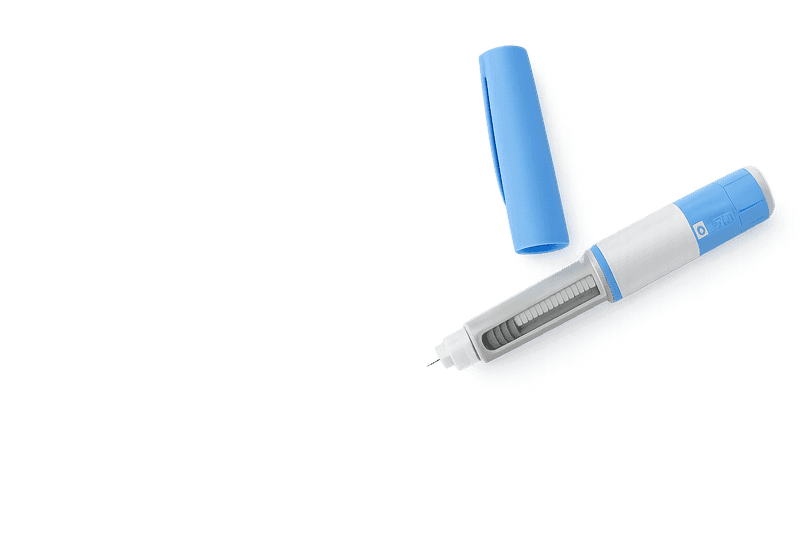

Short answerInsurance is not required. Self-pay compounded GLP-1 plans bundle the provider visit and medication from $49/month (welludr), $69 (embody) or $89 (altRx). Without coverage, brand-name drugs cost $1,150+, which is the main reason the compounded route exists.Prices checked on each provider’s website on October 16, 2026.
Why won't my insurance pay for weight loss medication?
Many health plans simply exclude drugs prescribed for weight loss, even though obesity is recognized as a chronic disease by the AMA and FDA. Wegovy and Zepbound, the two brands labeled for weight management, are the ones most often left off formularies.
- Some plans do not list the drug at all.
- Plans that do list it often require prior authorization.
- Approved patients can still face high copays.
Our 2 favorite GLP-1 providers
The two providers our editors recommend first, with the same checked prices and scores used in our full ranking.
Our Most Popular
1
Exceptional
9.8out of 10
Semaglutide from $69/mo, delivered in 1-2 days
Refund if not approvedFree expedited shipping
Treatments offered
Compounded semaglutide injection (GLP-1) · Compounded tirzepatide injection (GLP-1 + GIP) · Online doctor review and prescription · Dose changes through the patient portal
Starting price
$79$69/month
*Compounded medications are not FDA-approved.
- Semaglutide $69/mo; tirzepatide $119/mo
- 5-minute questionnaire; doctor review usually within 24 hours
- Free 1-2 day shipping: cold-packed, tracked and insured
- No insurance, no clinic visits, cancel anytime
Pricing starts at
from $69/month
embody prescribes compounded semaglutide at $69/mo and tirzepatide at $119/mo online, ships in 1-2 days, and requires no insurance. Trustpilot: 3.8 from 9,604 reviews.
Read full embody review2
Exceptional
9.7out of 10
Low-cost GLP-1 care: semaglutide from $89/mo
Clear, flat pricingNo insurance needed
Treatments offered
Compounded semaglutide injection (GLP-1) · Compounded tirzepatide injection (GLP-1 + GIP) · Brand-name Ozempic, Zepbound and Wegovy · Once-weekly injection schedule
Starting price
$199$89/month
*Compounded medications are not FDA-approved.
- Semaglutide from $89/mo; tirzepatide from $149/mo
- Brand-name Ozempic, Zepbound and Wegovy available
- Reviewed by a physician, PA or nurse practitioner
- Free shipping, arriving in about 5-7 days
Pricing starts at
from $89/month
altRx sells compounded semaglutide from $89/month and tirzepatide from $149/month at a flat price per dose, plus brand-name Ozempic, Zepbound and Wegovy. Self-pay, no insurance needed.
Read full altRx reviewWhat does a GLP-1 cost per month with no insurance?
Through telehealth, compounded semaglutide starts at a verified $49/month and compounded tirzepatide at $89/month, and those prices include the consultation and shipping. Compounded medications contain the same active ingredients as the brand-name drugs and are prepared by licensed compounding pharmacies.
This is the most common way uninsured patients start a GLP-1. Our compounded vs brand-name guide explains how the two differ.
Which telehealth plans include everything in one price?
For uninsured patients, the best plans roll medication, provider visits, dose changes and home delivery into one monthly charge, so there are no surprise bills later. You can compare providers side by side to spot the all-inclusive plans, or go straight to our lowest-cost GLP-1 providers.
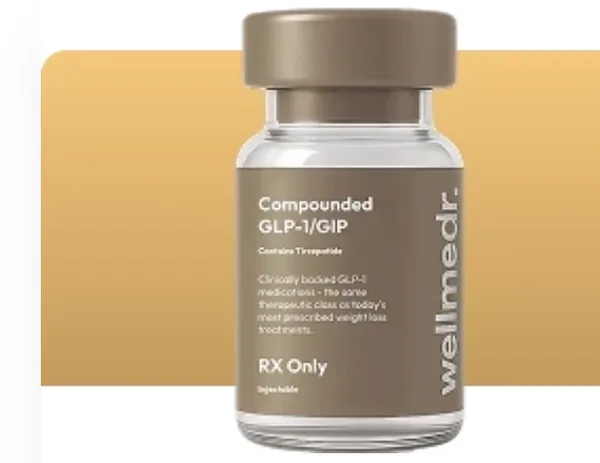
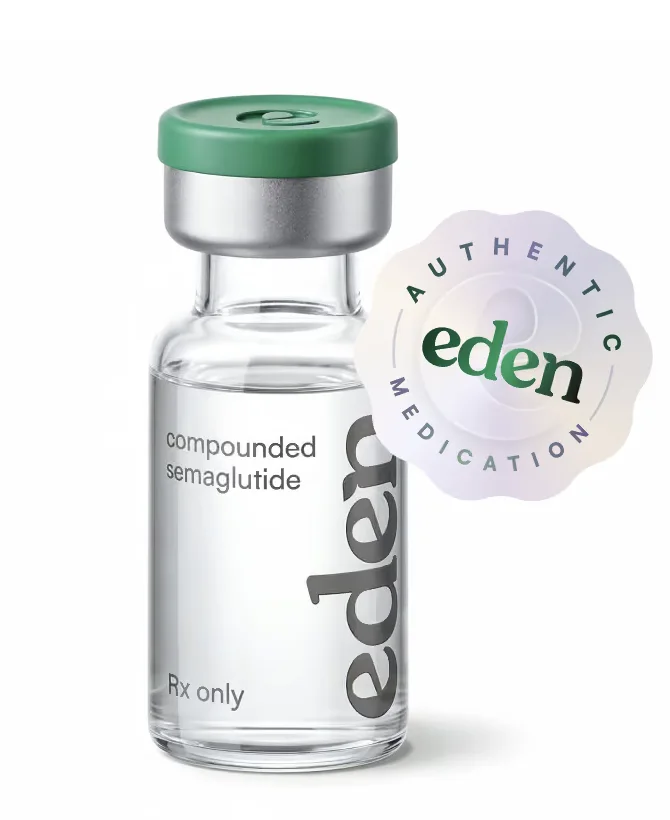
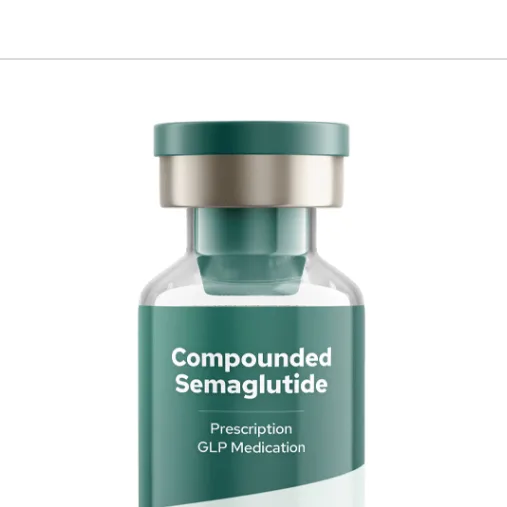
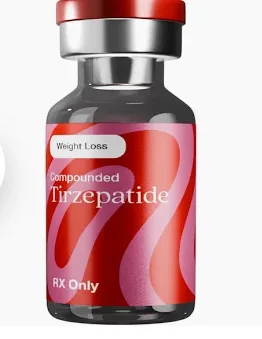
Lowest-priced GLP-1 plans
The cheapest published plans, sorted from lowest price, with the terms listed under every price.

Can I use my HSA or FSA for GLP-1 medication?
Usually, yes. Money in a Health Savings Account (HSA) or Flexible Spending Account (FSA) can typically be spent on weight loss medication and the consultations that go with it.
Because those dollars are pre-tax, the effective saving is about 20-35%, depending on your tax bracket. Ask your provider whether it takes HSA/FSA cards before you pay.
Is GLP-1 Treatment Right for You?
GLP-1 medication is prescription-only: a licensed clinician has to decide it is appropriate, and it is not a fit for everyone. Side effects are possible, and they tend to show up in the first few weeks while your body adapts.
Results are usually best when the medication is paired with simple daily habits, such as balanced meals and regular movement.
For both safety and lasting progress, pick a provider that screens you properly before prescribing and keeps following up once treatment starts.

Will a Novo Nordisk or Eli Lilly savings card help if I'm uninsured?
Probably not much. Novo Nordisk (Ozempic, Wegovy) and Eli Lilly (Mounjaro, Zepbound) both run savings programs that can cut brand-name costs a lot, but eligibility usually depends on having commercial insurance. If you have no insurance at all, compounded medication through a telehealth provider is still the cheapest route.
How do I compare providers on a tight budget?
Look at the full monthly total, not the headline medication price. Some providers advertise a low base rate and then bill separately for consultations, shipping or supplies. Before you enroll, confirm:
- What the monthly price includes.
- Whether visits and follow-ups cost extra.
- Whether shipping and supplies are bundled.