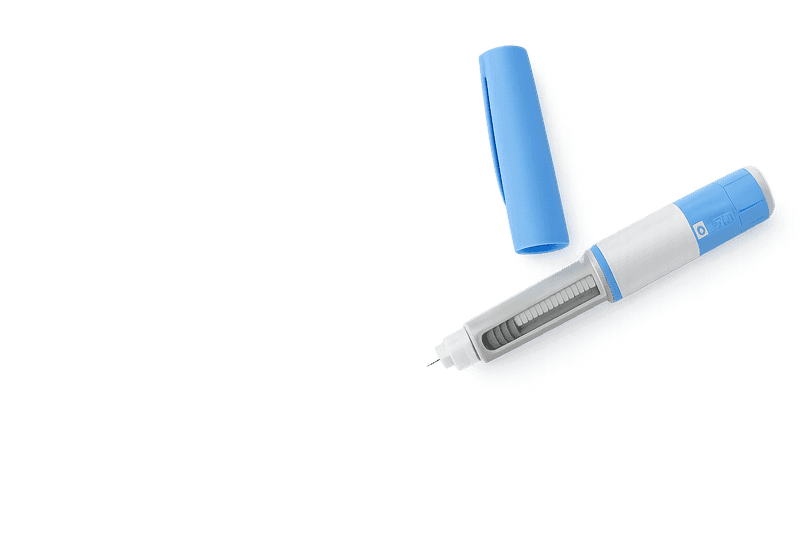

Short answerA 503A pharmacy compounds medication for one named patient with a prescription and is overseen by its state board. A 503B outsourcing facility is registered with the FDA and produces larger batches under manufacturing standards. Now that semaglutide and tirzepatide are off the FDA shortage list, a legitimate compounded GLP-1 comes from a licensed pharmacy filling a patient-specific prescription. The 28-day rule is the standard window for using an opened multi-dose vial, which is why plans ship monthly and a 90-day vial is a red flag. Ask for the pharmacy's name, its state license and the beyond-use date.
Why does the pharmacy matter more than the provider's website?
Because the pharmacy decides what is actually in the vial. Every online GLP-1 provider combines three parts under one brand:
- A website.
- Contracted clinicians who review your intake form.
- A partner pharmacy that makes and ships the medication.
Our 2 favorite GLP-1 providers
The two providers our editors recommend first, with the same checked prices and scores used in our full ranking.
Our Most Popular
1
Exceptional
9.8out of 10
Semaglutide from $69/mo, delivered in 1-2 days
Refund if not approvedFree expedited shipping
Treatments offered
Compounded semaglutide injection (GLP-1) · Compounded tirzepatide injection (GLP-1 + GIP) · Online doctor review and prescription · Dose changes through the patient portal
Starting price
$79$69/month
*Compounded medications are not FDA-approved.
- Semaglutide $69/mo; tirzepatide $119/mo
- 5-minute questionnaire; doctor review usually within 24 hours
- Free 1-2 day shipping: cold-packed, tracked and insured
- No insurance, no clinic visits, cancel anytime
Pricing starts at
from $69/month
embody prescribes compounded semaglutide at $69/mo and tirzepatide at $119/mo online, ships in 1-2 days, and requires no insurance. Trustpilot: 3.8 from 9,604 reviews.
Read full embody review2
Exceptional
9.7out of 10
Low-cost GLP-1 care: semaglutide from $89/mo
Clear, flat pricingNo insurance needed
Treatments offered
Compounded semaglutide injection (GLP-1) · Compounded tirzepatide injection (GLP-1 + GIP) · Brand-name Ozempic, Zepbound and Wegovy · Once-weekly injection schedule
Starting price
$199$89/month
*Compounded medications are not FDA-approved.
- Semaglutide from $89/mo; tirzepatide from $149/mo
- Brand-name Ozempic, Zepbound and Wegovy available
- Reviewed by a physician, PA or nurse practitioner
- Free shipping, arriving in about 5-7 days
Pricing starts at
from $89/month
altRx sells compounded semaglutide from $89/month and tirzepatide from $149/month at a flat price per dose, plus brand-name Ozempic, Zepbound and Wegovy. Self-pay, no insurance needed.
Read full altRx reviewWhat is a 503A compounding pharmacy?
A 503A pharmacy is a traditional compounding pharmacy covered by Section 503A of the federal Food, Drug and Cosmetic Act. A licensed pharmacist prepares a medication for one named patient on a valid prescription.
- Licensing and inspection come from the state board of pharmacy.
- It must follow the compounding standards published by the United States Pharmacopeia (USP).
- It cannot make large batches ahead of time for general sale.
What is a 503B outsourcing facility?
A 503B outsourcing facility is the second category, created by Section 503B in 2013. These facilities register with the FDA, are inspected by the FDA, and must follow current good manufacturing practice, the same quality framework drug manufacturers use.
In return they can compound larger batches without a prescription for each patient, usually to supply hospitals and clinics. During the 2022-2024 shortages of semaglutide and tirzepatide, both 503A pharmacies and 503B facilities were allowed to compound these drugs, which is how the compounded GLP-1 market grew so fast.
Neither category produces an FDA-approved drug: a 503B product is made to manufacturing standards but remains a compounded product with no trials of its own.
Lowest-priced GLP-1 plans
The cheapest published plans, sorted from lowest price, with the terms listed under every price.
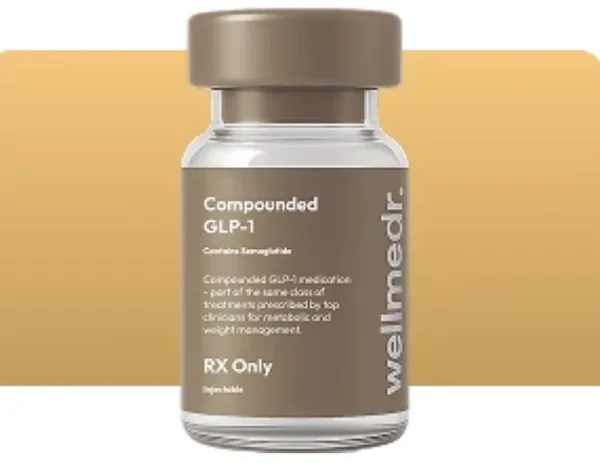
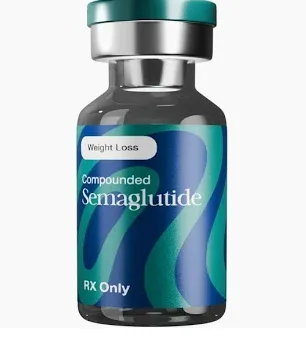
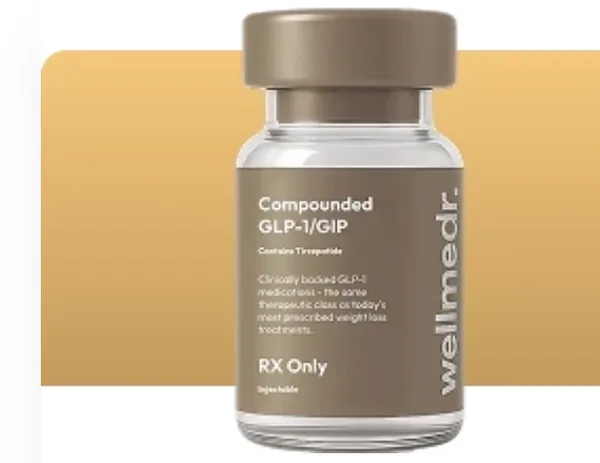
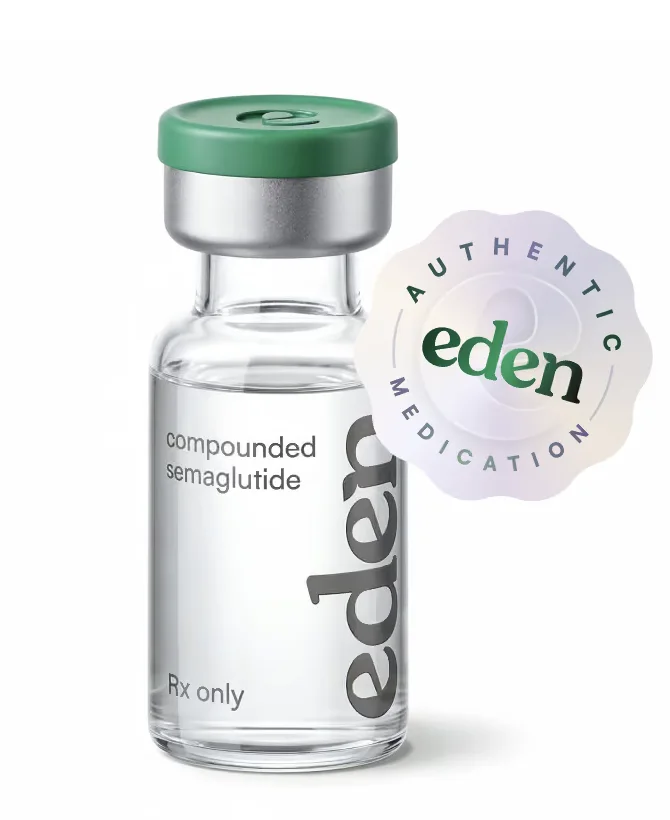
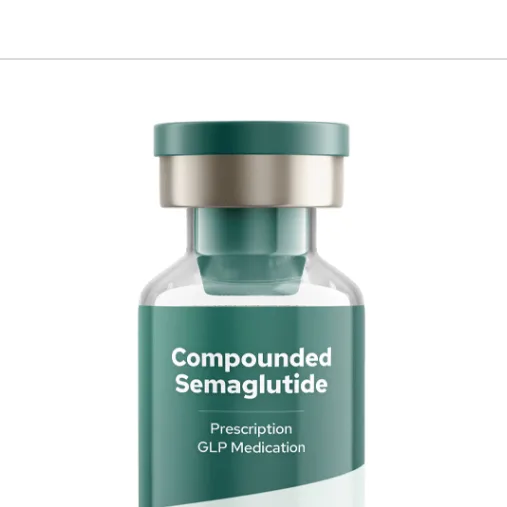

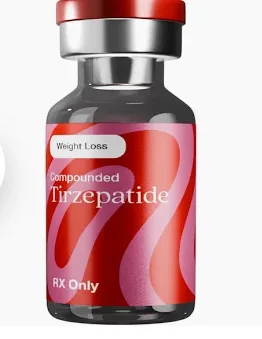
How did the end of the GLP-1 shortage change compounding?
The FDA removed tirzepatide and then semaglutide from its shortage list between late 2024 and early 2025. That closed the exemption that had allowed compounding of "essentially a copy" of a commercially available drug, and the standard rules returned: compounding must be for a specific patient on a valid prescription, with a clinical reason, through a 503A pharmacy, not bulk production of a Wegovy or Zepbound copy.
The FDA then turned to marketing. Warning letters sent to telehealth companies in 2026 objected to products described as:
The FDA then turned to marketing. Warning letters sent to telehealth companies in 2026 objected to products described as:
- "generic" Ozempic or Wegovy
- containing "the same active ingredient as" the brand drug
- coming from an "FDA-approved pharmacy" (the FDA approves drugs, not pharmacies)
Is GLP-1 Treatment Right for You?
GLP-1 medication is prescription-only: a licensed clinician has to decide it is appropriate, and it is not a fit for everyone. Side effects are possible, and they tend to show up in the first few weeks while your body adapts.
Results are usually best when the medication is paired with simple daily habits, such as balanced meals and regular movement.
For both safety and lasting progress, pick a provider that screens you properly before prescribing and keeps following up once treatment starts.

What is the 28-day rule for compounded GLP-1 vials?
The 28-day rule is the conventional limit for using an opened multi-dose vial: 28 days from the first puncture. Compounded GLP-1 injections usually come as a multi-dose vial you draw from each week, and sterile-compounding standards give every such preparation a beyond-use date, after which it should not be used. Two practical consequences follow:
- Monthly shipping. Legitimate plans ship every four weeks because a one-month vial fits the rule. One captured welludr reviewer titled their complaint "They charge you every 21 days"; check that billing cadence and the vial's use period line up before you sign.
- Long-supply vials are a red flag. A vial sold as a three-month supply to draw from over 90 days is a warning sign, not a deal.
Which questions reveal a legitimate compounded GLP-1 provider?
Four questions, each with an answer you can verify:
- Which pharmacy fills my prescription, and where is it licensed? A legitimate provider names it, and you can confirm the license on that state board's website.
- Is the pharmacy 503A or 503B? Either can be legitimate; dodging the question is the warning sign.
- What is the vial's beyond-use date, and how is it shipped? Cold-chain shipping with a dated label is the norm. Our shipping-times page records each provider's promise and what reviewers report.
- Who sets my dose? The right answer is that a licensed clinician reviews your history and prescribes. "Guaranteed approval" is the wrong answer.