
We may earn a commission from providers listed here, which can affect where they appear but never our ratings or reviews.
TopWeightLoss.us
Science55 min read

New Weight Loss Drugs 2026-2027: What's Coming, When, and Whether to Wait

Retatrutide, CagriSema, amycretin, MariTide and new GLP-1 pills: trial results, company-stated timelines, side effects, likely costs and whether to start treatment now.

Last updated October 31, 2026

Francheska Capistrano, Medical Content Reviewer

Francheska Capistrano, RMT, MPH

Medical reviewer · Our review process

Key points

  • No new weight loss drug beyond today's approved options can be prescribed outside a clinical trial yet. Retatrutide, CagriSema, amycretin and MariTide are investigational, with no FDA approval and no announced price.
  • Retatrutide posted the largest results so far: 28.3% average weight loss at 80 weeks on the top dose in TRIUMPH-1 (efficacy estimand; 25.0% treatment-regimen in NEJM). Lilly plans to file with the FDA in Q1 2027; no approval date has been set.
  • Novo Nordisk expects an FDA decision on CagriSema in Q4 2026, but in REDEFINE 4 it did not match tirzepatide (20.2% vs 23.6%), so Zepbound remains the strongest approved option on average.
  • Waiting has a cost: weight lost on a GLP-1 tends to return after stopping, and people who switched to Foundayo kept most of their earlier loss, so starting an approved drug now and switching later is usually possible.

Part of our guide to choosing a glp-1 medication. For the full picture, start with Best GLP-1 for weight loss, compared.

What new weight loss drugs are coming in 2026 and 2027?

The next weight loss drugs most likely to reach US patients are Novo Nordisk's CagriSema, which has an FDA decision expected in Q4 2026 according to Novo, and Eli Lilly's retatrutide, which Lilly plans to submit to the FDA in Q1 2027. Behind them, amycretin, MariTide, survodutide, VK2735, CT-388 and several new GLP-1 pills are in Phase 2 or Phase 3 trials, and none of them has a filed US application as of October 31, 2026.

2026 has already been a busy year for approvals. The Wegovy pill was approved on December 22, 2025 and launched in January, Wegovy HD (semaglutide 7.2 mg) was approved on March 19, 2026, and Lilly's Foundayo (orforglipron) pill was approved on April 1, 2026.

One rule applies to every drug in the table below: none of them is FDA-approved for weight loss. They cannot be legally prescribed to you outside a clinical trial, and anything sold online today as "retatrutide", "CagriSema" or "amycretin" is an unapproved product of unknown content. Lilly states that retatrutide "has not been reviewed or approved by the FDA or any regulatory agency in the world, and no one can legally sell it for human use."

The obesity drug pipeline at a glance (as of October 31, 2026)

Drug (company)How it worksHow it is takenBest published weight result (trial, length, analysis)StageCompany-stated next step
Retatrutide (Eli Lilly)GIP, GLP-1 and glucagon "triple agonist"Weekly injectionTRIUMPH-1, 80 weeks, 12 mg: 28.3% average loss if everyone stayed on drug, efficacy estimand (Lilly); 25.0% counting everyone randomized, treatment-regimen estimand (NEJM)Phase 3, multiple trials reportedFDA submission planned for Q1 2027 (stated July 23, 2026)
CagriSema (Novo Nordisk)Amylin analog cagrilintide plus semaglutideWeekly injectionREDEFINE 1, 68 weeks: 20.4% counting everyone, 22.7% if all adhered (Novo)Filed with FDA December 18, 2025US decision expected Q4 2026 (Novo Q2 2026)
Amycretin, also called zenagamtide (Novo Nordisk)GLP-1 and amylin activity in one moleculeWeekly injection and daily pillPhase 1b/2a, 36 weeks: up to 24.3% at the highest injected doses vs 1.1% on placebo (Novo)Phase 3 (AMAZE) started early 2026No filing or approval timeline given
MariTide, maridebart cafraglutide (Amgen)GLP-1 agonist joined to an antibody that blocks the GIP receptorInjection monthly or less oftenPhase 2, 52 weeks, obesity cohort: 12.3% to 16.2% counting everyone, 16.3% to 19.9% on treatment (NEJM)Phase 3 (MARITIME) ongoingNo readout date given
Survodutide (Boehringer Ingelheim, Zealand)GLP-1 and glucagon dual agonistWeekly injectionSYNCHRONIZE-1, 76 weeks, 6.0 mg: up to 16.6% vs 3.2% on placebo, on treatment (Boehringer)Phase 3 obesity trials reportedNo filing date stated
CT-388, now enicepatide (Roche)GLP-1 and GIP dual agonistWeekly injectionPhase 2, 48 weeks, 24 mg: 22.5% more than placebo on treatment, 18.3% counting everyone (Roche)Phase 3 planned from Q1 2026Roche said Phase 3 would start Q1 2026
VK2735 (Viking Therapeutics)GLP-1 and GIP dual agonistWeekly injection; pill version in testingVENTURE-Oral pill, 13 weeks: up to 12.2% from baseline (Viking)Injection Phase 3 (VANQUISH-1 and -2) fully enrolledOral Phase 3 start expected Q4 2026 (Viking)
Petrelintide (Zealand, Roche)Long-acting amylin analogInjectionZUPREME-1, 42 weeks: up to 10.7% vs 1.7% on placebo, on treatment (Roche)Phase 3 (ZUPREME) startedNo filing date stated
Eloralintide (Eli Lilly)Selective amylin agonistInjectionPhase 2, 48 weeks: 9.5% to 20.1% vs 0.4% on placebo, on treatment (Lilly)Phase 3 plannedLilly planned Phase 3 start by end of 2025
Aleniglipron (Structure Therapeutics)Small-molecule GLP-1Daily pillACCESS Phase 2b, 36 weeks, 120 mg: 11.3% more than placebo (Structure)Phase 2b completePhase 3 start was expected Q3 2026 (not confirmed)
CT-996 (Roche)Small-molecule GLP-1Daily pillPhase 1, 4 weeks: 6.1% more than placebo (Roche)Phase 2 ongoingNo Phase 2 results yet
Bimagrumab plus semaglutide (Eli Lilly)Activin type II receptor antibody added to a GLP-1InjectionBELIEVE Phase 2b, 72 weeks: 22.1% with high-dose combination vs 15.7% semaglutide alone (Healio)Phase 2bNo filing date stated

Two cautions. Every number comes from a separate trial with its own length, doses and population, so the rows are not a ranking. And "on treatment" figures (the efficacy estimand) assume everyone kept taking the drug, so they look larger than "counting everyone" figures (the treatment-regimen estimand).

What this means for you: if you need treatment in the next 12 months, the drugs you can actually get are the ones already approved: Wegovy, Wegovy HD, the Wegovy pill, Zepbound, Foundayo and generic liraglutide. Later sections cover cost, coverage and whether waiting makes sense.


Our 2 favorite GLP-1 providers

The two providers our editors recommend first, with the same checked prices and scores used in our full ranking.

Our Most Popular
1
embody logo

Exceptional

9.8out of 10

Semaglutide from $69/mo, delivered in 1-2 days

Refund if not approvedFree expedited shipping

Treatments offered

Compounded semaglutide injection (GLP-1) · Compounded tirzepatide injection (GLP-1 + GIP) · Online doctor review and prescription · Dose changes through the patient portal

Starting price

$79$69/month

*Compounded medications are not FDA-approved.

  • Semaglutide $69/mo; tirzepatide $119/mo
  • 5-minute questionnaire; doctor review usually within 24 hours
  • Free 1-2 day shipping: cold-packed, tracked and insured
  • No insurance, no clinic visits, cancel anytime

from $69/month

Visit SiteRead full review
3.8Trustpilot(9,604)

embody prescribes compounded semaglutide at $69/mo and tirzepatide at $119/mo online, ships in 1-2 days, and requires no insurance. Trustpilot: 3.8 from 9,604 reviews.

Read full embody review
2
altRx logo

Exceptional

9.7out of 10

Low-cost GLP-1 care: semaglutide from $89/mo

Clear, flat pricingNo insurance needed

Treatments offered

Compounded semaglutide injection (GLP-1) · Compounded tirzepatide injection (GLP-1 + GIP) · Brand-name Ozempic, Zepbound and Wegovy · Once-weekly injection schedule

Starting price

$199$89/month

*Compounded medications are not FDA-approved.

  • Semaglutide from $89/mo; tirzepatide from $149/mo
  • Brand-name Ozempic, Zepbound and Wegovy available
  • Reviewed by a physician, PA or nurse practitioner
  • Free shipping, arriving in about 5-7 days

from $89/month

altRx sells compounded semaglutide from $89/month and tirzepatide from $149/month at a flat price per dose, plus brand-name Ozempic, Zepbound and Wegovy. Self-pay, no insurance needed.

Read full altRx review

Which weight loss drugs are already approved, and how do they compare?

As of October 2026, the FDA-approved prescription GLP-1 drugs for chronic weight management in the US are Wegovy (semaglutide injection), Wegovy HD (semaglutide 7.2 mg), the Wegovy pill (oral semaglutide 25 mg), Zepbound (tirzepatide), Foundayo (orforglipron pill) and liraglutide (Saxenda and its generic). Zepbound and Wegovy HD produced the largest average weight loss in their own trials; the pills produced less but avoid injections.

The approvals came in two waves. Wegovy was approved on June 4, 2021, the first new chronic weight-management drug since 2014, when Saxenda was approved. Zepbound followed on November 8, 2023 as the first dual GIP/GLP-1 drug for obesity.

Approved weight loss GLP-1s: dates, trials and self-pay prices

DrugFormFDA approvalHeadline trial resultSelf-pay price (as of October 2026)
Wegovy (semaglutide 2.4 mg)Weekly injectionJune 4, 2021STEP 1, 68 weeks: 14.9% vs 2.4% on placebo, primary treatment-policy analysis (NEJM)$349/month at every dose (NovoCare)
Zepbound (tirzepatide)Weekly injection (vial or KwikPen)November 8, 2023SURMOUNT-1, 72 weeks, 15 mg: 20.9% counting everyone (22.5% on treatment) vs 3.1% on placebo (Healio)$299 to $449/month with on-time refills (LillyDirect)
Wegovy pill (oral semaglutide 25 mg)Daily pillDecember 22, 2025OASIS 4, 64 weeks: 13.6% regardless of adherence, 16.6% if fully adherent, vs 2.2% on placebo (Medscape)$149 to $299/month by dose (CNN)
Wegovy HD (semaglutide 7.2 mg)Weekly injection, not a starting doseMarch 19, 2026STEP UP, 72 weeks: 18.7% on 7.2 mg vs 15.6% on 2.4 mg vs 3.9% on placebo (Lancet D&E)$399/month (NovoCare)
Foundayo (orforglipron)Daily pill, no food or water rulesApril 1, 2026ATTAIN-1, 72 weeks, 36 mg: 11.2% counting everyone (12.4% on treatment) vs 2.1% on placebo (NEJM)From $149/month; up to $299 on time, higher if late (LillyDirect)
Liraglutide (Saxenda, generic)Daily injectionSaxenda 2014; Teva generic about August 28, 2025Older, less potent GLP-1; generic is approved for adults and teens 12 to 17 (Pharmacy Times)About $14,000/year wholesale for the generic (AmSpa)

A few details change how you read that table. Novo's own Wegovy HD release cites 20.7% weight loss, which appears to be the figure for people who stayed on treatment; the 18.7% vs 15.6% pair from The Lancet Diabetes & Endocrinology is the fair dose-to-dose comparison because both numbers use the same analysis. Wegovy HD is only for adults who have already tolerated 2.4 mg, per Healio's approval report. For Foundayo, the trial tested doses up to 36 mg, while the highest approved dose is reported as 17.2 mg, so the top ATTAIN-1 number came from a dose above the label.

Semaglutide also has hard-outcome evidence the pipeline drugs do not yet have. In SELECT (17,604 adults with established cardiovascular disease and overweight or obesity, no diabetes), Wegovy cut major adverse cardiovascular events by 20%: 6.5% vs 8.0%, hazard ratio 0.80.

What to do with this: the trials above are separate, so use them to understand ranges, not to pick a winner. For a direct comparison of the two biggest injections, see Zepbound vs Wegovy and our breakdown of tirzepatide vs semaglutide.

How do the next-generation drugs work differently from Ozempic and Zepbound?

Ozempic and Wegovy act on one gut hormone receptor (GLP-1), and Zepbound acts on two (GLP-1 and GIP). The next-generation drugs add a third target, such as glucagon in Lilly's retatrutide, add the satiety hormone amylin in Novo's CagriSema and amycretin, or flip GIP from "on" to "blocked" in Amgen's MariTide.

These hormones are part of the body's normal signaling after a meal; the drugs are long-acting mimics built to last a week (or a month, for MariTide) instead of minutes. Here is what each target is thought to contribute, and what trials show it adds and costs.

The four hormone targets, and what each adds

TargetWhat it does, in plain EnglishDrugs that use itWhat it seems to addKnown trade-offs so far
GLP-1Signals fullness to the brain, slows stomach emptying and helps the pancreas release insulin after mealsEvery drug in this guide except the pure amylin drugsThe foundation: Wegovy produced 14.9% loss at 68 weeks in STEP 1Nausea, diarrhea and other gut effects, usually worst during dose increases
GIPA second gut hormone involved in insulin release and fat storageActivated by Zepbound, retatrutide, CT-388 and VK2735; blocked by MariTidePaired with GLP-1, tirzepatide beat CagriSema in the REDEFINE 4 head-to-headWhy both activating and blocking GIP lead to weight loss is still not settled
GlucagonA pancreas hormone that tells the liver to release stored energy; in these drugs it is aimed at burning more energy and clearing liver fatRetatrutide, survodutideThe largest average losses reported in Phase 3 (retatrutide) and liver-fat normalization in about 6 in 10 people (survodutide)Higher resting heart rate with retatrutide; a new skin-sensation signal (dysesthesia) whose cause is not established
AmylinA hormone released with insulin that adds a separate fullness signal and slows eatingCagriSema, amycretin, petrelintide, eloralintideWeight loss through a different pathway, with petrelintide's tolerability described as comparable to placeboWhen combined with semaglutide in CagriSema, gut side effects affected 79.6% of people

The glucagon evidence comes from Lilly's TRIUMPH-1 release and Boehringer Ingelheim's SYNCHRONIZE-MASLD results, where about 6 in 10 participants on survodutide normalized liver fat. The heart rate effect is described as a known class and glucagon-related effect in TRIUMPH-3 commentary, though the size of the increase was not quantified in our sources. Lilly says the mechanism behind dysesthesia has not been established.

The amylin numbers come from Roche's petrelintide release and REDEFINE 1 safety data (79.6% gut adverse events with CagriSema vs 39.9% on placebo). The GIP head-to-head is from REDEFINE 4.

A fifth idea: protecting muscle

One more mechanism sits outside the gut-hormone family. Bimagrumab, which Lilly acquired through Versanis, blocks activin type II receptors, a signal that limits muscle growth. In the BELIEVE trial it was added to semaglutide to shift more of the weight lost toward fat. Section 13 covers the results.

Why this matters for you: more targets have so far meant more average weight loss, but also new side effects that only show up in large trials. Retatrutide's dysesthesia signal, for example, became a headline only in Phase 3, so treat early-stage results as provisional.

What is retatrutide, and what did its Phase 3 trials show?

Retatrutide is Eli Lilly's once-weekly injection that activates three hormone receptors (GIP, GLP-1 and glucagon), and in its pivotal Phase 3 trial, TRIUMPH-1, people on the 12 mg dose lost an average of 28.3% of their body weight at 80 weeks if they stayed on treatment (efficacy estimand), or 25.0% counting everyone randomized (treatment-regimen estimand). Retatrutide is not FDA-approved and can only be used legally inside a clinical trial.

Retatrutide first drew attention in a Phase 2 trial published in NEJM in June 2023: 338 adults without diabetes, 48 weeks, with 24.2% average loss on 12 mg vs 2.1% on placebo. Lilly then launched the TRIUMPH (obesity) and TRANSCEND (type 2 diabetes) Phase 3 programs. By October 2026, six Phase 3 trials had reported.

Retatrutide Phase 3 results so far

TrialWho was in itLengthWeight result, top doseComparatorAnalysis
TRIUMPH-4 (announced Dec 11, 2025)Obesity plus knee osteoarthritisNot stated in our sources12 mg: up to 28.7% (71.2 lb) on treatment; 23.7% counting everyonePlacebo: 4.6% counting everyoneBoth reported (Lilly)
TRIUMPH-1 (topline May 21, 2026)2,339 adults with obesity or overweight, no diabetes80 weeks12 mg: 28.3% (70.3 lb) on treatment (efficacy estimand); 25.0% counting everyone (treatment-regimen estimand)Placebo: 2.2% on treatment; 3.9% counting everyoneBoth reported (Lilly, NEJM)
TRIUMPH-2 (topline Jul 23, 2026)Obesity plus type 2 diabetes80 weeks12 mg: 20.8% on treatment; 18.8% counting everyonePlacebo: 4.0% on treatment; 5.1% counting everyoneBoth reported (Lilly)
TRIUMPH-3 (topline Jul 23, 2026)Severe obesity plus established cardiovascular disease80 weeks12 mg: 22.6%; 9 mg: 21.6%Placebo: 3.2%Not stated in our sources (Fierce)
TRANSCEND-T2D-1 (ADA, June 2026)537 adults with type 2 diabetes40 weeks12 mg: 16.8% (36.6 lb); A1C down 1.9 pointsPlacebo: A1C down 0.8 pointsOn treatment (Lilly)
TRANSCEND-T2D-2 (Oct 28, 2026)1,298 adults with type 2 diabetes80 weeks12 mg: 20.9%Ozempic 2 mg: 9.4%On treatment (STAT)

Why TRIUMPH-1 has two "right" numbers

You will see both 28.3% and 25.0% in headlines, and both are correct. Lilly's May 2026 topline used the efficacy estimand, which estimates the result if everyone had stayed on the drug. The NEJM paper published September 29, 2026 leads with the treatment-regimen estimand, which counts everyone randomized, including people who stopped. Under that analysis the 9 mg dose produced 23.7% and 4 mg produced 17.6%, and the 12 mg dose beat placebo by 21.0 percentage points.

Other TRIUMPH-1 findings, all from Lilly's topline release under the efficacy estimand: 45.3% of people on 12 mg lost at least 30% of their body weight. In a 104-week extension, participants who started with a BMI of 35 or more and stayed on 12 mg averaged 30.3% loss (about 85 lb), per Healthline's report. That is an extension subgroup, not the trial's main result.

Beyond the scale

TRIUMPH-4 also met its knee-pain endpoint: WOMAC pain scores fell by up to 4.5 points on average, a 75.8% reduction, per Lilly. TRIUMPH-1 included 574 people with knee osteoarthritis and 243 with obstructive sleep apnea, and the sleep apnea results are in a separate NEJM paper.

For a single-drug deep dive, including dosing in trials and what Lilly has said about the program, see our retatrutide guide.

Is GLP-1 Treatment Right for You?

GLP-1 medication is prescription-only: a licensed clinician has to decide it is appropriate, and it is not a fit for everyone. Side effects are possible, and they tend to show up in the first few weeks while your body adapts.

Results are usually best when the medication is paired with simple daily habits, such as balanced meals and regular movement.

For both safety and lasting progress, pick a provider that screens you properly before prescribing and keeps following up once treatment starts.

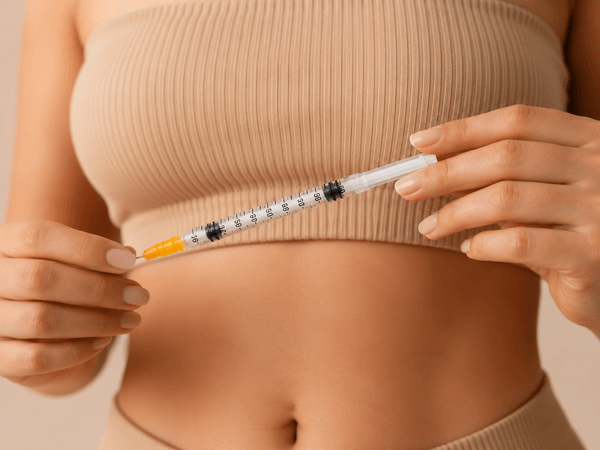
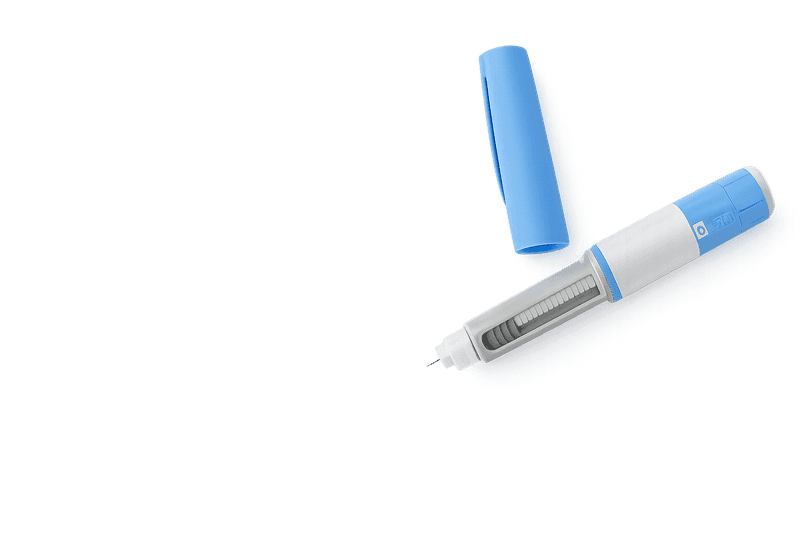
Woman getting a GLP-1 weight loss injection pen ready

How did retatrutide compare with Ozempic in people with type 2 diabetes?

In TRANSCEND-T2D-2, announced by Eli Lilly on October 28, 2026, retatrutide lowered A1C by 2.2 points at both the 9 mg and 12 mg doses vs 1.8 points with Ozempic (semaglutide 2 mg), and people on 12 mg lost 20.9% of their body weight vs 9.4% on Ozempic over 80 weeks. Those figures cover people who stayed on treatment.

TRANSCEND-T2D-2 is the first Phase 3 head-to-head trial for retatrutide, which makes it more informative than comparing separate trials. Per Lilly's release, the trial enrolled 1,298 adults with type 2 diabetes and randomized them 2:2:1 to retatrutide 9 mg, retatrutide 12 mg or Ozempic 2 mg, the highest approved Ozempic dose. Average A1C at the start was 8.3%.

TRANSCEND-T2D-2 results (80 weeks, efficacy estimand)

MeasureRetatrutide 9 mgRetatrutide 12 mgOzempic 2 mg
A1C change (points)Down 2.2Down 2.2Down 1.8
Body weight changeDown 19.5% (one secondary source)Down 20.9%Down 9.4%
Stopped due to side effects4.8%7.9%2.7%
Diarrhea28.3%32.7%26.4%
Nausea21.2%23.8%21.3%

Sources: weight and A1C from STAT and Healio; side effects from Lilly's release, which said most events were mild to moderate.

How to read the result

  • Estimand: STAT noted the analyses covered only people who stayed on treatment. A treatment-regimen (everyone randomized) result had not been published in our sources as of October 31, 2026, so the gap could look somewhat smaller under that analysis.
  • Comparator: Ozempic 2 mg is a diabetes dose. It is not Wegovy 2.4 mg or Wegovy HD 7.2 mg, so the trial does not tell you how retatrutide compares with the semaglutide doses used for weight loss.
  • Population: people with type 2 diabetes usually lose less weight on these drugs than people without diabetes. That is why the 20.9% here is lower than TRIUMPH-1's 28.3% (both efficacy estimand), and the two should not be compared as if they were one trial.
  • Tolerability: nausea was similar across the three arms, diarrhea was somewhat higher with retatrutide, and stopping for side effects was about 3 times as common on 12 mg as on Ozempic.

What it means for you: if you have type 2 diabetes, TRANSCEND-T2D-2 suggests retatrutide may eventually offer more glucose and weight lowering than Ozempic. But it is not approved, and Lilly's planned Q1 2027 submission covers obesity, knee osteoarthritis pain and sleep apnea, not diabetes. Today, approved options for people with diabetes and obesity include semaglutide and tirzepatide, which your clinician can match to your A1C, weight goals and coverage.

When could retatrutide be approved, and what are its side effects?

Eli Lilly plans to submit retatrutide to the FDA in the first quarter of 2027, a plan it stated on July 23, 2026 and repeated on September 29, 2026. Approval would come only after an FDA review that has not started, and no approval date has been set. In trials, the main side effects were gut-related (nausea, diarrhea) and a skin-sensation effect called dysesthesia, which rose with dose.

The filing timeline, in Lilly's words

Lilly had earlier expected to file in late 2026. In July 2026 it moved the plan to Q1 2027, as a Biologics License Application covering obesity, knee osteoarthritis pain and obstructive sleep apnea, per CNBC's report. Lilly's consumer page says it plans to seek approval in "early 2027". Lilly attributed the delay to finishing the manufacturing data package (Chemistry, Manufacturing and Controls), not to efficacy or safety; CEO Dave Ricks said Lilly was "continuing to collect some manufacturing-related data".

Any retatrutide approval or launch date you see online is a guess, not a company statement. Lilly has not announced a price.

Retatrutide safety signals by trial

TrialDysesthesia (skin burning or sensitivity)Stopped due to side effectsOther signal
TRIUMPH-4 (knee osteoarthritis)8.8% (9 mg), 20.9% (12 mg) vs 0.7% placebo12.2% (9 mg), 18.2% (12 mg) vs 4.0%Some stopped for "perceived excessive weight loss" (Fierce)
TRIUMPH-1 (obesity)5.1% (4 mg), 12.3% (9 mg), 12.5% (12 mg) vs 0.9%4.1%, 6.9%, 11.3% vs 4.9%Mostly mild to moderate per Lilly (Pharmacy Times)
TRIUMPH-2 (with type 2 diabetes)Not in our sources3.8% (4 mg), 11.6% (9 mg), 7.7% (12 mg) vs 4.9%(Lilly via BioSpace)
TRIUMPH-3 (cardiovascular disease)Not in our sources9.8% (9 mg), 13.5% (12 mg) vs 4.8%Cardiovascular events inconclusive (see below)
TRANSCEND-T2D-1 (type 2 diabetes)Not in our sourcesNot in our sourcesUrinary tract infections 2.2% to 5.1% vs 0.0% placebo (Medscape)
TRANSCEND-T2D-2 (vs Ozempic)Not confirmed in Lilly's release4.8% (9 mg), 7.9% (12 mg) vs 2.7% OzempicDiarrhea 32.7% on 12 mg vs 26.4% (Lilly)

What dysesthesia is, and how worried to be

Dysesthesia means abnormal skin sensations: burning, tingling or sensitivity to touch. The NEJM paper groups them as "dysesthesia: skin burning sensation and related adverse events." Lilly says the events were generally mild to moderate, most resolved during treatment and most people kept taking retatrutide; the mechanism has not been established, per Drug Discovery Trends.

Heart effects: unresolved

Retatrutide raises resting heart rate. TRIUMPH-3 was built to measure weight, not heart events, and its exploratory results were inconclusive: 5-point MACE hazard ratio 0.82 (95% CI 0.55 to 1.22) and 3-point MACE hazard ratio 1.12 (0.64 to 1.96), with both intervals crossing 1, per Lilly. The roughly 10,000-person TRIUMPH-Outcomes trial will give the real answer. Semaglutide, by contrast, already has proven cardiovascular benefit from SELECT.

For side effects of approved GLP-1s, see our GLP-1 side effects and risks guide. Note too that the FDA has said retatrutide cannot lawfully be compounded, and Lilly sued six US businesses on August 12, 2026 over alleged sales.

What is CagriSema, and when will the FDA decide?

CagriSema is Novo Nordisk's once-weekly injection that combines cagrilintide 2.4 mg (a long-acting amylin analog) with semaglutide 2.4 mg, the active ingredient in Wegovy. Novo filed it with the FDA on December 18, 2025 and says a US decision is expected in Q4 2026; as of October 31, 2026, no FDA decision had been reported, and CagriSema is not approved in the US or EU.

The idea behind CagriSema is to add amylin's separate fullness signal to the GLP-1 effect of semaglutide. Novo's New Drug Application for chronic weight management rests on two Phase 3 trials, REDEFINE 1 and REDEFINE 2.

CagriSema Phase 3 results

TrialWho was in itLengthCagriSema weight resultComparatorAnalysis
REDEFINE 1Adults with obesity or overweight, no diabetes68 weeks20.4% counting everyone; 22.7% if all adheredPlacebo 3.0%Both (Novo)
REDEFINE 21,206 adults with type 2 diabetes68 weeks13.7% counting everyonePlacebo 3.4%Treatment-policy (HCPLive)
REDEFINE 4809 adults, open label84 weeks20.2% counting everyone; 23.0% on treatmentZepbound 15 mg: 23.6%; 25.5%Both (Drug Topics)

The 22.7% fell short of the at least 25% Novo had earlier said it expected, per PharmExec. One reason may be dosing: the trial let people adjust their dose, and at week 68 only 57.3% of CagriSema patients were on the top dose, vs 82.5% on cagrilintide alone and 70.2% on semaglutide alone, per Novo's announcement.

Side effects were mainly gastrointestinal. In REDEFINE 1, 79.6% of people on CagriSema reported a gut-related adverse event vs 39.9% on placebo, and about 6% stopped because of side effects vs 3.7% on placebo (another summary gives 5.9% vs 3.5%), per HCPLive.

Where the FDA review stands (as of October 31, 2026)

  • Company guidance: Novo's Q1 and Q2 2026 materials list a "US decision on CagriSema submission in obesity expected in Q4 2026" (Novo Q2 2026 presentation). No PDUFA date has been disclosed.
  • Status: no FDA decision had been reported by October 31, 2026, and Novo reports nine-month results on November 4, 2026 (market report). Check for news after that date.
  • An open question: Novo's Q1 2026 filing says it "terminated the development of CagriSema co-formulation due to portfolio considerations." Novo has not explained what that means, and the US filing remained under review.

You may also see a "25% in women" figure. That came from post-hoc, exploratory REDEFINE 1 analyses Novo published on October 20, 2026 (women averaged 25.0% vs 3.0% on placebo), per this analysis. Exploratory subgroups are useful for questions, not for headline claims.

What it means for you: CagriSema is the pipeline drug closest to a decision, but it is still unapproved, cannot be prescribed outside a clinical trial, and Novo has not announced a price. If it is approved, expect a period before it reaches pharmacies, insurers and telehealth providers.

How does CagriSema compare with Zepbound?

In REDEFINE 4, the only head-to-head trial of the two, Novo Nordisk's CagriSema produced less weight loss than Eli Lilly's Zepbound (tirzepatide 15 mg) and failed its main goal of proving it was not meaningfully worse. Over 84 weeks, people on CagriSema lost 20.2% vs 23.6% on Zepbound counting everyone randomized, or 23.0% vs 25.5% among people who stayed on treatment, according to results Novo announced on February 23, 2026.

REDEFINE 4 at a glance

DetailCagriSema 2.4 mg/2.4 mgZepbound (tirzepatide) 15 mg
Trial designOpen label, 809 adults, 84 weeks, announced Feb 23, 2026
Weight loss, counting everyone (treatment-regimen)20.2%23.6%
Weight loss, on treatment (efficacy estimand)23.0%25.5%
Primary goal (non-inferiority)Not metReference drug
FDA status (Oct 31, 2026)Under review, decision expected Q4 2026 per NovoApproved since Nov 8, 2023

Sources: Drug Topics and Clinical Trials Arena, both reporting Novo's announcement.

What "failed non-inferiority" actually means

A non-inferiority trial asks a narrow question: is the new drug no worse than the established one by more than a pre-agreed margin? Passing would have let Novo say CagriSema works about as well as Zepbound. Failing means the trial could not show that. It does not mean CagriSema failed: 20.2% average loss counting everyone is still large, and CagriSema clearly beat placebo in REDEFINE 1.

REDEFINE 4 tells you three things:

  • Zepbound did better in this trial, by about 3.4 percentage points counting everyone and 2.5 points on treatment.
  • The comparison is direct, not a cross-trial guess. The open-label design (everyone knew their drug) is a limitation for both arms.
  • Adding amylin to semaglutide did not close the gap with tirzepatide at the doses tested, partly because many people in Novo's trials did not reach or stay on the top CagriSema dose (57.3% at week 68 in REDEFINE 1, per Novo).

Why CagriSema could still matter

Approval does not require beating Zepbound; it requires showing benefit over placebo with acceptable safety. If approved, CagriSema would be another option for people who prefer a semaglutide-based drug, who do not tolerate tirzepatide, or whose insurer covers one company's products and not the other's.

Side effects are part of the comparison too. CagriSema's REDEFINE 1 gut adverse event rate was 79.6% vs 39.9% on placebo, per HCPLive; REDEFINE 4 side-effect tables were not in our sources, so we cannot say how the two compared on tolerability in that trial.

What to do now: if your goal is the most weight loss from an approved drug today, Zepbound is available now, at $299 to $449 a month self-pay with on-time refills through LillyDirect as of October 2026. Our ranking of the best GLP-1s for weight loss covers who each approved drug suits.

What is amycretin, and could it come as a pill?

Amycretin, now officially named zenagamtide, is Novo Nordisk's single molecule that acts on both GLP-1 and amylin receptors, and it is being developed as both a weekly injection and a daily pill. Novo started its Phase 3 AMAZE program for both forms in early 2026, so a pill version is a real possibility, but Novo has given no filing or approval timeline as of October 2026.

CagriSema combines two separate molecules; amycretin builds both signals into one. Novo's 2026 SEC filings refer to it as the "zenagamtide AMAZE programme" (development code NN 9487).

Amycretin results so far

TrialFormLengthWeight resultPlacebo
Phase 1b/2a, 125 people (The Lancet, June 2025)Weekly injection36 weeksUp to 24.3% at the highest doses (up to 60 mg); 22.0% on 20 mg1.1%
Phase 1 (The Lancet, 2025)Daily pill12 weeks10.4% (up to 50 mg); 13.1% (up to 2 x 50 mg)1.2%
Phase 2 in type 2 diabetes (announced Nov 25, 2025)Weekly injection36 weeksUp to 14.5%; A1C down up to 1.8 points2.6%
Phase 2 in type 2 diabetes (announced Nov 25, 2025)Daily pill36 weeksUp to 10.1%Not in our sources

Sources: injection and pill obesity data from Novo's June 2025 release and GlobeNewswire; diabetes data from Novo's November 2025 release.

How much weight to put on these numbers

The 24.3% figure is eye-catching, but it comes from an early trial with 125 participants over 36 weeks, with doses still being explored. Early-phase results often look better than what Phase 3 eventually shows. The pill data are even earlier: 12 weeks is too short to know where weight loss would level off.

Where the pill stands

In June 2025, Novo said it would take both the injection and the pill into Phase 3 for obesity from Q1 2026, per Endpoints. Novo's February 2026 filing confirms AMAZE started in early 2026, with AMAZE 1 recruiting from about February 2026. Phase 3 obesity trials usually run well over a year before results, and Novo has given no filing or approval timeline.

Amycretin is not FDA-approved, cannot be prescribed outside a trial and has no announced price. If a weight loss pill is what you want now, the approved options are the Wegovy pill and Foundayo; see section 12 below.

What is MariTide, and would a monthly shot change things?

MariTide (maridebart cafraglutide) is Amgen's experimental injection given once a month or less often, which activates the GLP-1 receptor while blocking the GIP receptor. In its 52-week Phase 2 trial, people with obesity lost 12.3% to 16.2% counting everyone, or 16.3% to 19.9% on treatment, and Amgen's Phase 3 MARITIME trials were still running as of its Q2 2026 report.

MariTide is built differently from every other drug in this guide: an antibody that blocks the GIP receptor, linked to GLP-1-activating peptides, a design meant to last for weeks rather than days. Its GIP approach is the opposite of Zepbound's, which activates GIP, and both cause weight loss.

MariTide Phase 2 results (52 weeks)

GroupWeight change counting everyoneWeight change on treatmentPlacebo (counting everyone)
Obesity without diabetes (465 people)12.3% to 16.2% loss16.3% to 19.9% loss; Amgen topline "up to about 20%"2.5%
Obesity with type 2 diabetes (127 people)8.4% to 12.3% lossAmgen topline "up to about 17%"1.7%

Sources: NEJM 2025 and Amgen's November 2024 topline, which noted weight loss had not plateaued at 52 weeks.

Tolerability

Vomiting was the main concern in Phase 2. At ADA in June 2025, Amgen reported vomiting in 24.4% and 22.5% of people in the two highest-dose arms that used gradual dose escalation, and said there were no GI-related discontinuations in those escalation arms. Phase 3 uses a slower escalation schedule, reported as 21, 35 and 70 mg over 8 weeks in Amgen's filings.

Phase 3 and the "every few months" idea

  • MARITIME-1 and MARITIME-2 test MariTide in people with and without type 2 diabetes. Enrollment was complete by Q3 2025, and both were ongoing in Amgen's Q2 2026 report. Amgen has not stated a readout date.
  • MARITIME-SWITCH tests moving people from weekly tirzepatide or semaglutide to MariTide every 8 weeks or every quarter (Amgen Q3 2025).
  • Maintenance: in Phase 2 Part 2, people who lost at least 15% were re-randomized to placebo, monthly doses or a dose every 12 weeks. At JPM in January 2026, Amgen said Part 2 showed strong monthly efficacy and potential for quarterly dosing, but did not release numbers, per Clinical Trials Arena.

Would a monthly shot change things?

For some people, yes. Twelve injections a year instead of 52 is simpler, and since stopping GLP-1s usually leads to regain, easier long-term dosing could matter. But two things are not yet known: whether Phase 3 confirms the Phase 2 numbers with acceptable vomiting rates, and whether less frequent dosing actually improves how many people stay on treatment.

MariTide is not FDA-approved, can only be used in a clinical trial, and Amgen has announced no price or filing date.

Which other weight loss drugs are in late-stage trials?

Beyond retatrutide, CagriSema, amycretin and MariTide, the most advanced obesity candidates as of October 2026 are Boehringer Ingelheim's survodutide (Phase 3 reported), Roche's CT-388 (enicepatide, moving into Phase 3), Viking's VK2735 (Phase 3 fully enrolled), and the amylin drugs petrelintide (Zealand and Roche) and eloralintide (Lilly), plus Pfizer's MET-097i from its Metsera acquisition. None has a filed US application.

Other late-stage obesity candidates

Drug (company)TypeKey resultStatus as of October 2026
Survodutide (Boehringer Ingelheim, Zealand)Weekly GLP-1/glucagon injectionSYNCHRONIZE-1, 76 weeks: up to 16.6% on 6.0 mg vs 3.2% (on treatment); 3.6 mg 12.2% vs 5.4% (counting everyone)SYNCHRONIZE-1 published in NEJM June 2026; SYNCHRONIZE-2 reported Oct 1, 2026; no filing date stated
CT-388 / enicepatide (Roche)Weekly GLP-1/GIP injectionPhase 2, 48 weeks, 24 mg: 22.5% placebo-adjusted on treatment, 18.3% counting everyone; no plateauRoche said Phase 3 would start Q1 2026
VK2735 (Viking)Weekly GLP-1/GIP injection; pill in developmentMaintenance study (Sep 22, 2026): every-other-week and monthly doses kept most of the weight lostVANQUISH-1 and -2 (78 weeks each) fully enrolled
Petrelintide (Zealand, Roche)Long-acting amylin analog injectionZUPREME-1, 42 weeks: up to 10.7% vs 1.7% (on treatment); 10.2% vs 1.4% (treatment-policy, Lancet D&E)Phase 3 ZUPREME program started
Eloralintide (Lilly)Selective amylin agonist injectionPhase 2, 48 weeks: 9.5% to 20.1% vs 0.4% (on treatment)Phase 3 planned to start by end of 2025
MET-097i (Pfizer, from Metsera)Weekly or monthly GLP-1 injectionEfficacy figures not in our sourcesEntering Phase 3; Pfizer closed the Metsera deal Nov 13, 2025

Sources by row: Boehringer SYNCHRONIZE-1 and PubMed; Roche CT-388; Viking maintenance study and VANQUISH-2 enrollment; Zealand petrelintide; Lilly eloralintide; Pfizer.

Survodutide: a liver-focused option

Survodutide's weight numbers are lower than retatrutide's in separate trials, but its glucagon component targets liver fat. In SYNCHRONIZE-MASLD, about 6 in 10 participants normalized liver fat, per Boehringer. In people with obesity and type 2 diabetes, SYNCHRONIZE-2 showed up to 13.1% loss with improved glucose control, per its October 1, 2026 release. The longer LIVERAGE outcomes trial in MASH is still recruiting, with estimated primary completion in December 2031 (ClinicalTrials.gov).

Amylin drugs: aiming for gentler treatment

Petrelintide's pitch is tolerability rather than maximum loss. In ZUPREME-1, Roche described tolerability as comparable to placebo; Zealand's June 2026 data showed nausea in 19.6% vs 6.2% on placebo, with 88% to 98% reaching their target dose.

VK2735 and dosing less often

Viking's maintenance study gave about 180 adults 21 weeks of weekly VK2735, then 12 weeks of less frequent dosing, with gut side effects similar to placebo during maintenance. The 78-week VANQUISH trials finished enrolling in November 2025 and March 2026, so their results cannot arrive until those participants complete 78 weeks.

Every drug in this section is investigational: not FDA-approved, not legally available outside a trial, and without an announced price.

Which new GLP-1 pills are coming after the Wegovy pill and Foundayo?

After the Wegovy pill (approved December 22, 2025) and Lilly's Foundayo (approved April 1, 2026), the next weight loss pills in development are Novo Nordisk's oral amycretin (Phase 3), Viking's VK2735 tablet (Phase 3 start expected Q4 2026), Structure Therapeutics' aleniglipron (Phase 2b complete) and Roche's CT-996 (Phase 2). None is FDA-approved, none can be prescribed outside a clinical trial, and none has an announced price as of October 2026.

The two approved pills already work differently. The Wegovy pill is oral semaglutide, a peptide pill that comes with food and water rules; Foundayo is a small-molecule GLP-1 and, per Lilly, the only GLP-1 pill that can be taken any time of day without food or water restrictions. Our Foundayo vs Wegovy pill comparison covers the trade-offs in detail.

Demand for pills is real: Lilly reported Foundayo US sales of $184 million in Q3 2026, with about 4 in 10 US patients starting an oral obesity drug choosing Foundayo, per CNBC.

The oral weight loss pipeline

Pill (company)TypeBest result so farTolerability noteStatus (October 2026)
Oral amycretin (Novo Nordisk)GLP-1 plus amylin, one moleculePhase 1, 12 weeks: up to 13.1% vs 1.2%Short trial; long-term data pendingPhase 3 AMAZE started early 2026
VK2735 tablet (Viking)GLP-1/GIPVENTURE-Oral, 13 weeks: up to 12.2% (10.9% placebo-adjusted)28% stopped vs 18% on placebo, mostly for GI reasonsOral Phase 3 start expected Q4 2026
Aleniglipron (Structure)Small-molecule GLP-1ACCESS, 36 weeks, 120 mg: 11.3% placebo-adjusted; up to 16.2% at 56 weeks in the published data10.4% stopped for side effects across active armsPhase 3 was expected to start Q3 2026; start not confirmed
CT-996 (Roche)Small-molecule GLP-1Phase 1, 4 weeks: 6.1% placebo-adjustedToo early to judgePhase 2 ongoing, no results yet
Orforglipron for type 2 diabetes (Lilly)Same drug as FoundayoThree positive ACHIEVE trialsSame molecule as FoundayoFiled Q2 2026; FDA action expected Q4 2026

Sources: Novo; BioPharma Dive and Viking; Structure ACCESS and Nature Medicine announcement; Roche; Lilly.

Pills that did not make it, or have not moved

Oral GLP-1 development has setbacks. Pfizer stopped developing danuglipron in April 2025 after one trial participant had a possible drug-induced liver injury, which resolved after stopping the drug, per Fierce Biotech. Novo's OASIS program also studied a 50 mg oral semaglutide dose, but only the 25 mg top dose is approved, and we found no 2026 US filing for 50 mg (Novo).

What pills may cost

No pipeline pill has a price. One useful signal: under the November 6, 2025 White House deal, Lilly and Novo said starting doses of future approved oral GLP-1s would be about $149 to $150 a month, per CNBC. Both the Wegovy pill and Foundayo launched at $149 for their lowest dose. Whether that pattern holds for future pills is not guaranteed.

What to do now: if you want a pill, you do not need to wait. Our weight loss pills guide compares the two approved options, their doses and current self-pay prices.

Are any new drugs designed to protect muscle during weight loss?

Yes. The most advanced is bimagrumab, an antibody Eli Lilly acquired through Versanis, which in the 72-week BELIEVE Phase 2b trial combined with semaglutide produced 22.1% weight loss while cutting lean-mass loss to 2.9%, vs 7.4% with semaglutide alone. Bimagrumab is not FDA-approved, cannot be prescribed outside a clinical trial and has no announced price, and no muscle-preserving obesity drug is available today.

Any weight loss, including from diet alone, removes some lean tissue along with fat, and larger losses could mean more muscle lost, which matters for strength and mobility in older adults. Bimagrumab takes a different route from the gut-hormone drugs: it blocks activin type II receptors, which normally limit muscle growth.

BELIEVE trial results (72 weeks, 507 adults)

MeasureBimagrumab plus semaglutide (high dose)Semaglutide 2.4 mg aloneBimagrumab alone
Total weight change22.1% loss15.7% loss10.8% loss
Fat mass change45.7% loss27.8% loss28.5% loss (30 mg/kg)
Lean mass change2.9% loss7.4% loss2.5% gain
Share of weight lost that was fat92.8%71.8%Not in our sources
Common side effectsMild to moderate acne and muscle spasms in bimagrumab arms

Sources: Healio, HCPLive and EurekAlert. BELIEVE was presented at ADA in June 2025 and later published in Nature Medicine. Earlier reports of 92.9% vs 71.5% refer to week 48, not week 72.

What BELIEVE does and does not show

  • It shows that adding bimagrumab shifted the weight lost heavily toward fat, and that total weight loss was larger than with semaglutide alone in the same trial.
  • It does not show that preserved lean mass translates into better strength, function or fewer falls. Lean mass on a scan is not the same as muscle performance.
  • It is Phase 2b, with no Phase 3 or filing date in our sources.

Other muscle-focused approaches

Veru's enobosarm, a selective androgen receptor modulator, was tested with Wegovy in older adults in a 16-week Phase 2b trial called QUALITY. Veru reported in January 2025 that the trial met its lean-mass endpoint, per its release. The results are company-reported and were not peer reviewed in our sources.

For retatrutide, lean-mass data were not part of the TRIUMPH or TRANSCEND toplines, so no claim can be made yet about how much of its larger weight loss is fat vs muscle.

What to do now

Because no muscle-preserving drug is approved, the practical steps today are the ones your clinician can build into any GLP-1 plan: ask about strength training, enough protein for your needs, and whether a body-composition scan makes sense for you, especially if you are older or losing weight quickly. For the broader evidence on side effects of current drugs, including muscle-related concerns, see our side effects guide.

Lowest-priced GLP-1 plans

The cheapest published plans, sorted from lowest price, with the terms listed under every price.

How much weight do the new drugs help people lose compared with current options?

Counting everyone who started treatment, Lilly's investigational retatrutide produced average weight loss of 25.0% at 80 weeks in TRIUMPH-1 (treatment-regimen analysis in NEJM), compared with 20.9% for Zepbound (tirzepatide 15 mg) at 72 weeks in SURMOUNT-1 and 14.9% for Wegovy (semaglutide 2.4 mg) at 68 weeks in STEP 1, all from separate trials. Counting only people who stayed on treatment (efficacy estimand), Lilly reports 28.3% for retatrutide. These are numbers from different trials with different lengths, populations and analysis methods, so they show the rough size of the gap, not a head-to-head result.

The table below lines up the main results for people without type 2 diabetes, as of October 31, 2026. The efficacy estimand (EE) assumes everyone stayed on the drug, so it is larger. The treatment-regimen or treatment-policy estimand (TRE) counts everyone randomized, including people who stopped, so it is smaller. Where a source did not label the estimand, the table says so.

People with overweight or obesity, without type 2 diabetes

Drug (status, Oct 2026)Trial and lengthDoseAverage weight loss vs placeboEstimandSource
Wegovy (approved 2021)STEP 1, 68 weeks2.4 mg weekly14.9% vs 2.4%Primary treatment-policy analysisNEJM 2021
Wegovy HD (approved March 2026)STEP UP, 72 weeks7.2 mg weekly18.7% vs 3.9% (Novo cites 20.7%)18.7% not labeled in the abstract; 20.7% is very likely EELancet D&E
Wegovy pill (approved December 2025)OASIS 4, 64 weeks25 mg daily13.6% vs 2.2% (16.6% vs 2.7% if fully adherent)Treatment-policy (EE in brackets)Medscape
Foundayo, orforglipron (approved April 2026)ATTAIN-1, 72 weeks36 mg daily (trial dose)11.2% vs 2.1% (Lilly's EE headline: 12.4%)TRE (EE in brackets)NEJM 2025
Zepbound, tirzepatide (approved 2023)SURMOUNT-1, 72 weeks15 mg weekly20.9% vs 3.1% (EE: 22.5%)TRE (EE in brackets)Healio
Retatrutide (investigational)TRIUMPH-1, 80 weeks12 mg weekly25.0% vs 3.9% (TRE); 28.3% vs 2.2% (EE)Both shownNEJM 2026; Lilly
CagriSema (investigational; FDA decision pending)REDEFINE 1, 68 weeks2.4 mg/2.4 mg weekly20.4% vs 3.0% (EE: 22.7%)Treatment-policy (EE in brackets)Novo via BioSpace
Survodutide (investigational)SYNCHRONIZE-1, 76 weeks6.0 mg weeklyUp to 16.6% vs 3.2%EEBoehringer
CT-388, enicepatide (investigational)Phase 2, 48 weeks24 mg weekly22.5% more than placebo (TRE: 18.3% more)EE (TRE in brackets)Roche
MariTide (investigational)Phase 2, 52 weeksMonthly or less often12.3-16.2% vs 2.5% (EE: 16.3-19.9%)TRE (EE in brackets)NEJM 2025
Amycretin injection (investigational)Phase 1b/2a, 36 weeks, 125 peopleUp to 60 mg weeklyUp to 24.3% vs 1.1%Not statedNovo via Nasdaq
Eloralintide (investigational)Phase 2, 48 weeksRange of doses9.5-20.1% vs 0.4%EELilly
Petrelintide (investigational)ZUPREME-1, Phase 2, 42 weeksRange of dosesUp to 10.7% vs 1.7%EERoche

People with type 2 diabetes

People with type 2 diabetes usually lose less weight on these drugs, so their results belong in a separate table. One row here is a true head-to-head: TRANSCEND-T2D-2 randomized people to retatrutide or Ozempic 2 mg in the same trial, and Lilly reported the results on October 28, 2026 (STAT).

DrugTrial and lengthAverage weight lossEstimandSource
Retatrutide vs Ozempic 2 mgTRANSCEND-T2D-2, 80 weeks (head-to-head)20.9% (12 mg) and 19.5% (9 mg) vs 9.4% with OzempicEE (people who stayed on treatment)Healio
Retatrutide vs placeboTRIUMPH-2, 80 weeks20.8% vs 4.0% (EE); 18.8% vs 5.1% (TRE), 12 mgBoth shownLilly
CagriSema vs placeboREDEFINE 2, 68 weeks13.7% vs 3.4%Treatment-policyHCPLive
Survodutide vs placeboSYNCHRONIZE-2, Phase 3Up to 13.1%Not statedBoehringer
Amycretin injection vs placeboPhase 2, 36 weeksUp to 14.5% vs 2.6%Not statedNovo

What these numbers mean for you

  • The top of the range is moving up, not starting over. Zepbound already reaches about 21% on average in SURMOUNT-1 (TRE). Retatrutide's TRE figure in TRIUMPH-1 is 25.0%, a few points higher in a longer, separate trial.
  • Not every new drug beats current options. In REDEFINE 4, the only head-to-head of CagriSema against tirzepatide 15 mg, CagriSema lost 20.2% vs 23.6% (TRE) and failed its non-inferiority goal (Drug Topics).
  • Averages hide a wide spread. In TRIUMPH-1, 45.3% of people on retatrutide 12 mg lost at least 30% of their body weight under the EE, which also means more than half did not (Lilly).

How should you read headlines about new weight loss drug trials?

To read a weight loss drug headline, check seven things before the percentage: which estimand it uses, how long the trial ran, what the comparator was, who was enrolled, how many people dropped out, which dose produced the number, and whether it is placebo-adjusted. The same retatrutide arm in TRIUMPH-1 is reported as 28.3% by Lilly (efficacy estimand) and 25.0% by NEJM (treatment-regimen estimand), and both are correct, because they answer different questions (NEJM; Lilly).

The headline checklist

CheckWhat to look forReal example
1. EstimandEfficacy (everyone stays on drug, bigger number) or treatment-regimen (everyone randomized, smaller number)TRIUMPH-1, 12 mg: 28.3% EE vs 25.0% TRE (NEJM)
2. Trial lengthWeight loss keeps growing for a year or more; a 12-week number is not a 72-week numberOral amycretin: up to 13.1% at 12 weeks in Phase 1 (Novo)
3. ComparatorPlacebo, or an active drug? Which dose of the active drug?TRANSCEND-T2D-2 compared retatrutide with Ozempic 2 mg, a diabetes dose, not Wegovy 2.4 mg (STAT)
4. PopulationWith or without type 2 diabetes; any added conditionsRetatrutide 12 mg: 28.3% in TRIUMPH-1 (no diabetes) vs 20.8% in TRIUMPH-2 (diabetes), both EE (Lilly)
5. DropoutHow many stopped, and whyVK2735 pill: 28% stopped vs 18% on placebo in VENTURE-Oral (BioPharma Dive)
6. Dose and "up to"Is the figure from the top dose only? Is that dose the one likely to be approved?Foundayo's trial top dose was 36 mg; check the label for approved doses (NEJM)
7. Placebo-adjusted or raw"22.5% placebo-adjusted" already subtracts the placebo groupCT-388: 22.5% placebo-adjusted at 48 weeks (Roche)

Worked example: "more than double the weight loss of Ozempic"

On October 28, 2026, Lilly announced that retatrutide "delivered greater A1C reduction and more than double the weight loss of Ozempic's highest approved dose in head-to-head trial" (Lilly via BioSpace). Here is how the checklist applies to that headline.

  • Is "more than double" accurate? Yes, for the 12 mg dose: 20.9% divided by 9.4% is about 2.2 times. For 9 mg, 19.5% divided by 9.4% is about 2.1 times.
  • Estimand: STAT notes these analyses covered only people who stayed on treatment, the EE (STAT). Treatment-regimen results were not available in the sources we found, as of October 31, 2026.
  • Population: 1,298 adults with type 2 diabetes and a starting A1C of 8.3%, over 80 weeks. People without diabetes usually lose more, so the result does not transfer directly.
  • Comparator: Ozempic 2 mg is the top approved Ozempic dose for diabetes. The trial did not test Wegovy HD, Zepbound or Foundayo.
  • Trade-off: 7.9% stopped retatrutide 12 mg because of side effects, vs 2.7% on Ozempic (Lilly via BioSpace).

The fair summary: in a true head-to-head trial in type 2 diabetes, retatrutide lowered A1C by 2.2 points vs 1.8 with Ozempic and roughly doubled weight loss among people who stayed on treatment, with more people stopping for side effects. Retatrutide is still not FDA-approved.

What side effects have shown up with the new drugs so far?

The new drugs mostly show the same gastrointestinal side effects as Wegovy and Zepbound, plus a few new signals: dysesthesia (skin sensitivity or burning) with Lilly's retatrutide, higher dropout at top doses of several candidates, and a liver-injury case that ended Pfizer's danuglipron in April 2025. Long-term safety, including heart outcomes, is not yet known for any of the investigational drugs as of October 2026.

The table below lists only signals reported in trial releases or journals. Rates come from separate trials and are not directly comparable. "AE discontinuation" means the share of people who stopped the drug because of an adverse event.

DrugSignalRates reported (drug vs placebo or comparator)Source
Retatrutide (TRIUMPH-1, 80 weeks)Dysesthesia; AE discontinuationDysesthesia 5.1% (4 mg), 12.3% (9 mg), 12.5% (12 mg) vs 0.9%. Stopping for AEs 4.1%, 6.9%, 11.3% vs 4.9%Pharmacy Times
Retatrutide (TRIUMPH-4, knee osteoarthritis)Dysesthesia; AE discontinuationDysesthesia 8.8% (9 mg) and 20.9% (12 mg) vs 0.7%. Stopping for AEs 12.2% and 18.2% vs 4.0%Fierce Biotech
Retatrutide (TRANSCEND-T2D-2, vs Ozempic 2 mg)GI effects; AE discontinuationDiarrhea 28.3% and 32.7% vs 26.4%; nausea 21.2% and 23.8% vs 21.3%. Stopping for AEs 4.8% and 7.9% vs 2.7%Lilly via BioSpace
Retatrutide (TRANSCEND-T2D-1, 40 weeks)Urinary tract infections2.2%, 4.5%, 5.1% vs 0.0%Medscape
CagriSema (REDEFINE 1, 68 weeks)GI effects; AE discontinuationGI events 79.6% vs 39.9%. Stopping for AEs about 6% vs 3.7%HCPLive
MariTide (Phase 2, 52 weeks)Vomiting24.4% and 22.5% in the two highest-dose arms that used dose escalation; Amgen reported no GI-related discontinuations in those armsAmgen
Petrelintide (ZUPREME-1)Nausea19.6% vs 6.2%; 88-98% reached their target doseZealand
CT-388, enicepatide (Phase 2)AE discontinuation5.9% vs 1.3%Roche
VK2735 pill (VENTURE-Oral, 13 weeks)Overall discontinuation, mostly GI28% vs 18%BioPharma Dive
Aleniglipron (ACCESS, 36 weeks)AE discontinuation10.4% across active arms (range 7.7-13.3%)Structure
Danuglipron (Pfizer; discontinued)Possible drug-induced liver injuryOne participant; resolved after stopping; development ended April 2025Fierce Biotech

The dysesthesia question

Dysesthesia is the new signal people ask about most. Lilly says the events were generally mild to moderate, most resolved during treatment, and most participants kept taking retatrutide. NEJM groups them as "dysesthesia: skin burning sensation and related adverse events", and the mechanism has not been established (Drug Discovery Trends).

Heart rate and heart outcomes

Retatrutide raised resting heart rate in trials, a known effect of this class and of glucagon activity (TRIUMPH-3 commentary). TRIUMPH-3's exploratory heart data were inconclusive: MACE-3 events were 27 on retatrutide vs 23 on placebo (hazard ratio 1.12, confidence interval 0.64-1.96), and the trial was not powered for events. The roughly 10,000-person TRIUMPH-Outcomes trial is the one that will answer it (ClinicalTrials.gov). By contrast, Wegovy already has a proven 20% cut in major cardiovascular events from SELECT (ACC).

For the side effects of the drugs you can take today, and how to manage them, see our GLP-1 side effects and risks guide.

How much will the new weight loss drugs cost?

No price has been announced for retatrutide, CagriSema, amycretin or MariTide as of October 31, 2026, and none of them is FDA-approved, so any price you see quoted for them is a guess. The best guide is how recent launches were priced: the Wegovy pill (January 2026) and Foundayo (April 2026) both started at $149 a month for cash payers at the lowest dose, in line with the November 2025 White House pricing deal.

How 2025-2026 launches were priced

DrugUS launch or approvalSelf-pay price (as of October 2026)Source
Wegovy pillLaunched January 5, 2026$149 (1.5 mg), $199 (4 mg), $299 (9 mg and 25 mg) a monthCNN
Wegovy HD (7.2 mg)Approved March 19, 2026$399 a month; NovoCare says insurance coverage is not available for 7.2 mgNovoCare price guide
FoundayoApproved April 1, 2026From $149 a month; $299 at higher doses if refilled within 45 daysLillyDirect
Zepbound (KwikPen or vial)Self-pay pricing from February 23, 2026$299 (2.5 mg), $399 (5 mg), $449 (7.5-15 mg, refilled within 45 days)LillyDirect
Wegovy penSelf-pay cut November 17, 2025$349 a month at every dose from 0.25 mg to 2.4 mgNovoCare price guide

Two patterns stand out. First, the newest products launched at or near existing prices. Wegovy HD costs $50 a month more than the standard Wegovy pen ($399 vs $349), and both pills start well below either injection. Second, self-pay prices sit far below list prices: the Wegovy pen's $349 is about 26% of its roughly $1,349 list price per 28-day supply (Peterson-KFF).

The policy that may shape new-drug prices

Under the November 6, 2025 deal with the White House, Lilly and Novo agreed to TrumpRx cash prices of $350 a month for Wegovy and Ozempic and an average of $346 for Zepbound, with starting doses of future approved oral GLP-1s at about $149-$150 a month (CNBC). Both companies also committed to "most favored nation" pricing on new medicines they launch (Pharmacy Times). That would plausibly cover retatrutide and CagriSema, but neither company has confirmed how it applies to them. Lilly CEO Ricks told CNBC on April 1, 2026 that Lilly opposes writing that pricing into law (CNBC).

Prices are also falling on existing drugs. Lilly's third-quarter 2026 revenue grew 39% even though realized prices fell 15%, because volume rose 53% (Lilly 8-K). Novo will cut the list price of Wegovy, Ozempic and Rybelsus to $675 a month from January 1, 2027, about half the current Wegovy list price, though Novo says self-pay prices do not change (Novo Nordisk).

What this means for your budget

  • Plan with today's prices. Nobody can tell you what a new drug will cost until the company announces a price.
  • Be wary of "price forecasts". Third-party sites have published retatrutide price predictions; Lilly has published none. Lilly says no one can legally sell retatrutide for human use (Lilly).

For every current way to pay less, from savings cards to HSA rules, see our GLP-1 cost guide for 2026.

Will insurance or Medicare cover the new drugs?

No insurer or Medicare program covers retatrutide, CagriSema or the other investigational drugs today, because coverage can only follow FDA approval, and none of them is approved as of October 31, 2026. The Medicare GLP-1 Bridge, which charges eligible Part D enrollees $50 a month, names only Wegovy (injection or pill), the Zepbound KwikPen and Foundayo (Medicare.gov).

Medicare: what is covered now

Medicare law has generally excluded drugs used for weight loss, which is why obesity coverage needed a special demonstration (Medicare.gov). The Bridge started July 1, 2026 and was extended through December 31, 2027 after CMS delayed the Part D portion of its BALANCE Model (KFF; AHA News).

Medicare GLP-1 Bridge detailAs of October 2026
Monthly cost to you$50, which does not count toward the Part D deductible or out-of-pocket cap
Drugs on the listWegovy (pen and pill), Zepbound KwikPen, Foundayo
Not on the listOzempic (diabetes use stays under regular Part D); Zepbound vials and single-dose pens; every investigational drug
EligibilityBMI 35 or more; or BMI 30 or more with HFpEF, uncontrolled hypertension or CKD stage 3a or higher; or BMI 27 or more with prediabetes, prior heart attack or stroke, or symptomatic peripheral artery disease
End dateDecember 31, 2027

Sources for the table: eligibility from the CMS prescriber guidance; drug list and cost from the Medicare.gov fact sheet; start and end dates from CMS. KFF estimates nearly 4 million Medicare beneficiaries met the criteria in 2023 (KFF). Whether CMS would add a newly approved drug to the Bridge has not been announced.

One route to coverage for new drugs runs through other conditions. People who get a GLP-1 under Part D for type 2 diabetes, sleep apnea or cardiovascular risk reduction use their regular plan, not the Bridge (CMS). Lilly's planned retatrutide filing covers obesity, knee osteoarthritis pain and obstructive sleep apnea (Yahoo Finance), so what the FDA eventually approves will matter for coverage.

Employer plans: the trend is flat to down

SurveyFindingSource
KFF Employer Health Benefits Survey (October 22, 2026)18% of firms with 200+ workers cover GLP-1s mainly for weight loss; at firms with 5,000+ workers coverage fell from 43% (2025) to 33% (2026)KFF
Business Group on Health (completed June 2026)Coverage of GLP-1s for obesity among large employers fell from 72% in 2025 to 60% in 2026BGH
Mercer (spring 2026)6% of employers with 500+ employees dropped weight-loss GLP-1 coverage in 2026; 5% plan to drop it or are considering it for 2027Mercer

New drugs also face a waiting period on formularies. Foundayo was approved April 1, 2026, and CVS Caremark removed its new-to-market block effective June 1, 2026, about two months later (Managed Healthcare Executive). A similar lag is possible for any newly approved drug, and remember that employer plans can customize their formularies.

Medicaid coverage of GLP-1s for obesity is a state choice; KFF counted 13 state programs covering them under fee-for-service as of January 2026 (KFF). If you are 65 or older, our GLP-1 after 65 and Medicare guide walks through the Bridge step by step.

Can you get retatrutide or other new drugs now?

No: retatrutide, CagriSema, amycretin, MariTide and the other investigational drugs are not FDA-approved and cannot be legally prescribed outside a clinical trial, and anything sold online today as retatrutide is an unapproved product. Lilly states that retatrutide "has not been reviewed or approved by the FDA or any regulatory agency in the world, and no one can legally sell it for human use" (Lilly).

Why "research peptide" retatrutide is not a shortcut

Retatrutide cannot lawfully be compounded. In a September 9, 2025 warning letter, the FDA said it has no USP/NF monograph, is not a component of an approved drug, and is not on the 503A or 503B bulks lists, and the agency has advised consumers not to buy unapproved retatrutide products (FDA warning letter). A "research use only" label is no defense when the marketing describes weight or metabolic effects (Frier Levitt).

DateAction against unapproved sellersSource
September 5, 2025FDA announces a GLP-1 "green list"; Import Alert 66-80 lets GLP-1 ingredients from unlisted manufacturers be detained at the borderFDA bulletin
March 31, 2026FDA warning letter to Gram Peptides, which promoted retatrutide and tirzepatide as "research" peptidessummary of FDA letter
August 12, 2026Lilly sues six US businesses, including med spas, a compounding pharmacy and online peptide sellers, over alleged retatrutide salesCNBC
August 24, 2026Five FDA warning letters to peptide sellers naming retatrutide, semaglutide and tirzepatide sold "for research use"tracker of FDA letters

What people taking gray-market retatrutide report

A Penn study published in JAMA Network Open on October 14, 2026 used AI to analyze Reddit posts from people who said they were self-injecting gray-market retatrutide (JAMA Network Open; Penn Engineering). The most commonly reported symptom was increased appetite, the opposite of what the drug is meant to do. Sleep problems, a raised heart rate and muscle-related complaints came up more often than in posts about semaglutide or tirzepatide, while GI complaints came up less often (Medical Daily).

The authors are careful about what this shows. Co-author Lyle Ungar said: "We can't say that retatrutide is causing these symptoms, or even that Reddit users are actually taking genuine retatrutide." That uncertainty is the core problem with gray-market products: you cannot know what is in the vial, how much, or how clean it is.

The legal way to get a new drug early: a clinical trial

  1. Search ClinicalTrials.gov (the registry that lists trials such as TRIUMPH-Outcomes, NCT06383390) for the drug name or "obesity", and filter by "Recruiting" and your state.
  2. Read the eligibility criteria: BMI range, diabetes status, age and medications that rule you out.
  3. Contact the site listed, and ask whether you could be assigned to placebo, how long the trial lasts and what happens when it ends.

Trials can assign you to placebo or a lower dose, and access usually ends with the trial. For a full profile of the drug itself, see our retatrutide guide.

Should you wait for a new drug or start treatment now?

For most people who qualify for treatment today, starting an approved drug now beats waiting, because the earliest new option, Lilly's retatrutide, has not yet been submitted to the FDA (Lilly plans to file in Q1 2027) and has no approval date, while people who stop or delay treatment lose proven benefits. Waiting can make sense if your health risks are low, you cannot afford current options, or you have already tried the approved drugs without success, but it should be a deliberate choice with a review date, not a default.

What waiting actually means on the calendar

  • Retatrutide: On July 23, 2026, Lilly said it plans to submit retatrutide to the FDA in Q1 2027, later than its earlier late-2026 expectation, and repeated that timing on September 29, 2026 (Yahoo Finance). Approval would come only after FDA review, and no date has been set.
  • CagriSema: Novo filed in December 2025 and says a US decision is expected in Q4 2026; no FDA decision had been reported as of October 31, 2026 (Novo 6-K; news report). In its head-to-head trial, it was not non-inferior to tirzepatide, which is already available as Zepbound.

Start now or wait: scenarios

Your situationWhat the evidence saysReasonable default
Heart disease plus overweight or obesityWegovy cut major cardiovascular events by 20% in SELECT; retatrutide's heart data are inconclusive so farStart now; ask about Wegovy
PrediabetesTirzepatide cut progression to type 2 diabetes by 94% over 176 weeks in a SURMOUNT-1 analysis (1.3% vs 13.3%)Start now
Type 2 diabetesRetatrutide beat Ozempic 2 mg head-to-head, but is not approved; several approved GLP-1s treat diabetes todayStart or stay on an approved drug; revisit retatrutide after approval
Already on a GLP-1 and doing wellStopping leads to regaining about two-thirds of lost weight within a yearDo not stop to wait; switching later is possible
Plateaued or side effects on WegovyZepbound and Wegovy HD exist today; Wegovy HD is for people who tolerated 2.4 mgTalk about switching or stepping up now
Medicare, Bridge-eligible$50 a month for Wegovy, Zepbound KwikPen or Foundayo through December 31, 2027Start now; new drugs are not on the Bridge list
Want a pillWegovy pill and Foundayo are approved, from $149 a month self-payStart now; oral amycretin is still in Phase 3 with no filing timeline
Lower BMI, no weight-related conditions, can't afford self-payUntreated adults gain about 0.5-1.8 lb a year on averageWaiting with a lifestyle plan and a set review date is reasonable
Tried tirzepatide and semaglutide without enough responseRetatrutide showed larger average losses in separate trials, but is not approvedAsk about trials on ClinicalTrials.gov; never buy gray-market

Sources for the scenarios: SELECT; SURMOUNT-1 prediabetes analysis; STEP 1 extension; Medicare Bridge; BYU weight-gain analysis.

The cost of waiting, in numbers

Every figure below is computed only from published data. Weight examples use a person who weighs 250 lb, and the trial averages come from separate trials with different lengths, so treat them as illustrations, not predictions.

QuestionInputsResult
Minimum wait before retatrutide is even filedToday (October 31, 2026) to the end of Lilly's Q1 2027 filing window (March 31, 2027)5 months, plus an FDA review with no date set
Average weight gain if untreated for a yearAbout 17.6 lb per decade (mid-20s to mid-30s) to 4.6 lb per decade (50s to 60s)About 0.5-1.8 lb a year
Average loss on Wegovy 2.4 mg, 250 lb person14.9% in STEP 1 (68 weeks)About 37 lb
Average loss on Zepbound 15 mg, 250 lb person20.9% in SURMOUNT-1 (72 weeks, TRE)About 52 lb
Average loss on retatrutide 12 mg, 250 lb person25.0% in TRIUMPH-1 (80 weeks, TRE)About 63 lb (62.5), roughly 10 lb more than the Zepbound example, from a separate, longer trial
Weight regained after stopping semaglutide17.3% lost by week 68, 11.6 points regained a year after stopping (STEP 1 extension)About two-thirds regained; net loss 5.6% from baseline as reported (inputs are rounded)
Weight regained after stopping tirzepatide20.9% lost in a 36-week lead-in; placebo group regained 14.0% by week 88 (SURMOUNT-4)Those who continued lost a further 5.5%
Diabetes prevention forgoneProgression 13.3% on placebo vs 1.3% on tirzepatide over 176 weeks12 fewer cases per 100 people with prediabetes
Heart events forgone (established heart disease)8.0% on placebo vs 6.5% on semaglutide in SELECT1.5 fewer major events per 100 people

Sources for the cost-of-waiting table: Lilly filing plan; BYU analysis via HCPLive (cross-sectional, so per-year figures are approximate); STEP 1; SURMOUNT-1; TRIUMPH-1; STEP 1 extension; SURMOUNT-4; SURMOUNT-1 prediabetes; SELECT.

What starting now costs for 12 months

Option (price as of October 2026)Monthly12 months
Medicare GLP-1 Bridge, if eligible$50$600
Compounded semaglutide, embody, month-to-month (regular price)$79 ($69 sale)$948 at the regular price
Compounded tirzepatide, embody, month-to-month (regular price)$129 ($119 sale)$1,548 at the regular price
Wegovy pill 9 mg or 25 mg, or Foundayo at maintenance doses refilled on time$299$3,588
Wegovy pen, any dose$349$4,188
Wegovy HD 7.2 mg$399$4,788
Zepbound 7.5-15 mg, refilled within 45 days$449$5,388

Brand prices are from NovoCare and LillyDirect; starting doses cost less, and Foundayo's 2.5 mg and 5.5 mg doses are temporarily $149 and $199 through December 31, 2026 (Lilly). Compounded prices are from our GLP-1 price index, verified October 16, 2026; welludr's Pre-Black Friday sale lists compounded semaglutide from $41 and tirzepatide from $71 a month from October 28, 2026. Compounded drugs are not FDA-approved, and the FDA does not review them for safety, effectiveness or quality before marketing (FDA).

How to decide in three steps

  1. Check your risk. If you have heart disease, prediabetes, type 2 diabetes or other weight-related conditions, the evidence favors starting an approved drug now.
  2. Check your budget. Price the options above against your coverage.
  3. Set a review date. Put the next milestones (the CagriSema decision and Lilly's retatrutide filing) in your calendar, and revisit the choice then. Starting now does not lock you out of a new drug later, as the next section shows.

If you start a GLP-1 now, can you switch to a newer drug later?

Yes: switching between GLP-1 drugs is common, and trials such as Lilly's ATTAIN-MAINTAIN show that people can move from one drug to another and keep most of their weight loss, while stopping treatment altogether leads to substantial regain. If retatrutide or another new drug is approved later, starting Wegovy, Zepbound or a GLP-1 pill now does not close that door.

What the switching trials show

TrialWhat happenedResultSource
ATTAIN-MAINTAIN (52 weeks)People who completed 72 weeks of Wegovy or Zepbound in SURMOUNT-5 were re-randomized to Foundayo (orforglipron) or placeboPeople who switched kept all but about 0.9 kg (from Wegovy) / 5.0 kg (from Zepbound) of their earlier weight loss at week 52, per Lilly (efficacy estimand)Lilly
SURMOUNT-MAINTAIN (52 weeks after a 60-week lead-in)378 people on maximum tolerated tirzepatide continued that dose, stepped down to 5 mg, or switched to placeboAt week 112: 22.4% (continued), 17.0% (5 mg, about 70% of loss kept), 10.1% (placebo)The Lancet
SURMOUNT-4 (to week 88)After a 36-week tirzepatide lead-in, people continued or switched to placeboPlacebo group regained 14.0%; 89.5% of those who continued kept at least 80% of their loss vs 16.6% on placeboACC
VK2735 maintenance (Viking, about 180 adults)21 weeks of weekly dosing, then 12 weeks of every-other-week or monthly maintenanceMost of the weight loss kept on maintenance dosing vs 61% kept on placebo (topline, September 22, 2026)Viking

Stepping down also matters. In SURMOUNT-MAINTAIN, rescue therapy for people who regained at least half of their lost weight was used by 8% on the continued dose, 25% on 5 mg and 67% on placebo (PubMed).

New-drug trials are already testing switches

Amgen's MARITIME-SWITCH trial is testing a move from weekly tirzepatide or semaglutide to MariTide every 8 weeks or every quarter (Amgen 8-K). No switching results have been published for retatrutide or CagriSema as of October 31, 2026, so how a switch to them would work is not yet known.

What a switch usually involves

  • Re-titration. Many drugs start low and step up to limit nausea, so expect some weeks before you reach a full dose.
  • Coverage checks. A new drug may need a new prior authorization, or may not be covered at first.
  • Avoid stopping to "wash out". One year after stopping semaglutide in the STEP 1 extension, people had regained about two-thirds of the weight they lost, and most cardiometabolic improvements reverted toward baseline (STEP 1 extension).

For what happens to weight, appetite and health markers when people stop, see what happens when you stop a GLP-1.

Which current drug is closest to what the new drugs offer?

For the largest average weight loss available today, Zepbound (tirzepatide) is the closest approved option to the new drugs, with 20.9% at 72 weeks in SURMOUNT-1; for a pill, the Wegovy pill and Foundayo are already approved; and for a lower price, the cheapest approved options are pill starting doses at $149 a month. No approved drug yet adds glucagon or amylin activity, offers monthly dosing, or protects muscle in a proven way.

What the new drugs promiseClosest approved option (October 2026)How close it getsSource
Maximum weight loss (retatrutide, CagriSema)Zepbound 15 mg20.9% at 72 weeks (TRE); beat CagriSema in REDEFINE 4 (23.6% vs 20.2%, TRE)Healio; Drug Topics
More weight loss while staying on semaglutideWegovy HD 7.2 mg18.7% vs 15.6% on 2.4 mg in STEP UP; only for people who tolerated 2.4 mgLancet D&E
A pill (oral amycretin, aleniglipron, CT-996)Wegovy pill 25 mg; Foundayo13.6% at 64 weeks (OASIS 4, treatment-policy); 11.2% at 72 weeks on 36 mg (ATTAIN-1, TRE)Medscape; NEJM
A pill with no food or water rulesFoundayoThe only GLP-1 pill that can be taken any time of day without food or water restrictionsCNBC
Proven heart protectionWegovy20% fewer major cardiovascular events in SELECT; no new drug has outcome results yetACC
Monthly dosing (MariTide)None; all approved GLP-1s are weekly or daily injections or daily pillsNo approved alternativeAmgen 8-K
Muscle protection (bimagrumab)None approvedBELIEVE: lean mass fell 2.9% on the combination vs 7.4% on semaglutide alone (investigational)HCPLive
Lower costWegovy pill 1.5 mg or Foundayo starting doses; compounded options$149 a month for pill starting doses; compounded semaglutide from $41 a month during welludr's Pre-Black Friday sale (from October 28, 2026)CNN; Top Weight Loss price index

Caveats on the cheaper route

Compounded semaglutide and tirzepatide are not FDA-approved and are not generic versions of Wegovy or Zepbound. Since the drug shortages ended, the FDA has warned 30 telehealth companies over misleading claims about compounded GLP-1s (FDA), and on April 30, 2026 it proposed excluding semaglutide, tirzepatide and liraglutide from the 503B bulks list (FDA). Compounded versions of the new drugs do not exist legally: retatrutide cannot be compounded at all.

Who each option is not for

  • Zepbound is not the right first choice if your plan covers only Wegovy, or if you need the heart-outcome evidence that SELECT gives semaglutide.
  • Wegovy HD is not a starting dose; it is for people who have tolerated 2.4 mg and need more weight reduction.

For the full head-to-head between today's two leading molecules, read tirzepatide vs semaglutide, and for our ranking across goals and budgets, see the best GLP-1 for weight loss.

What questions should you ask your clinician about new weight loss drugs?

Ask your clinician whether an approved drug fits your goals now, what you would gain or lose by waiting for retatrutide or CagriSema, and how you would switch later if a new drug is approved. Bring your weight history, current medicines, insurance details and any side effects you had on earlier GLP-1s.

Questions about starting or waiting

  1. Given my health conditions, is there a medical reason to start now rather than wait?
  2. Do I qualify for a drug with outcome evidence, such as Wegovy for heart risk reduction (SELECT)?
  3. If I wait, what should I do in the meantime, and when should we review the decision?
  4. Which of the new drugs, if any, would be a realistic fit for me, given my diabetes status and other conditions?

Questions about the new drugs themselves

  1. Are the trial results I have read efficacy-estimand or treatment-regimen figures, and from people with or without diabetes?
  2. What are the known side effects, such as dysesthesia with retatrutide, and what would make me a poor candidate?
  3. Is there a clinical trial I could join, and what are the chances of getting placebo?
  4. If I see retatrutide sold online, what are the risks of an unapproved product? (Lilly says no one can legally sell it for human use: Lilly.)

Questions about cost, coverage and switching

  1. Does my plan cover any GLP-1 for weight loss, and what prior authorization does it need?
  2. If I am on Medicare, do I meet the GLP-1 Bridge criteria for the $50 copay (CMS)?
  3. Which self-pay option is cheapest at the dose I am likely to need, not just the starting dose?
  4. If a new drug is approved, how would we switch, and would I need to re-titrate?
  5. If I need to cut costs later, would stepping down to a lower dose be safer than stopping? (In SURMOUNT-MAINTAIN, stepping down to tirzepatide 5 mg kept about 70% of the loss: The Lancet.)

What do doctors and analysts expect from the obesity drug pipeline?

Doctors are paying most attention to Lilly's retatrutide: in a Spherix Global Insights survey released October 28, 2026, retatrutide's TRIUMPH-2 results were the most widely recognized pipeline development, and about three in four physicians aware of the Phase 3 data said it would strongly affect their likelihood of prescribing it if approved. Awareness of other news, including developments involving approved drugs, was low.

What the Spherix survey found

Finding (53 primary care physicians and 49 endocrinologists, October 2026)Primary careEndocrinologists
Recognized Lilly's TRIUMPH-2 retatrutide results when promptedAbout 32%About 49%
Among those aware of Phase 3 retatrutide data, say it would strongly affect their likelihood of prescribing if approved76%75%
Could recall, unprompted, a recent development involving an approved obesity drugFewer than 15%Fewer than 15%

Source: Spherix Global Insights via GlobeNewswire. CagriSema ranked second to retatrutide in unaided pipeline recall and is gaining visibility among endocrinologists (Spherix release). Spherix itself cautions against comparing figures across different evidence packages. Your clinician may not have seen the latest trial news, so bring the trial name and date.

What the market numbers show

  • Demand for approved drugs keeps growing. Lilly reported third-quarter 2026 revenue of $24.4 billion, up 39%, with Mounjaro plus Zepbound over $16 billion, and raised full-year guidance to $91-92 billion (Lilly 8-K).
  • Pills are catching on. Foundayo's US sales were $184 million in Q3 2026, up from $98 million in Q2, and Lilly said about 4 in 10 US patients starting an oral obesity drug chose Foundayo (CNBC).
  • Big companies are still buying in. Pfizer completed its acquisition of Metsera on November 13, 2025, for about $7.0 billion in enterprise value, up to about $10 billion with contingent payments, one of which depends on FDA approval of MET-097i by December 31, 2029 (Pfizer).

Where commentators see trade-offs

Trade press coverage has focused on tolerability and heart data as much as on weight loss. Fierce Biotech headlined TRIUMPH-4 as a Phase 3 that "proves intolerable", citing dropout of up to 18.2% at 12 mg (Fierce Biotech), and said retatrutide's "cardio risk impact disappoints" after TRIUMPH-3 (Fierce Biotech). CagriSema's 22.7% efficacy result in REDEFINE 1 fell short of Novo's earlier expectation of at least 25% (PharmExec).

Key dates to watch in the next 12 months

The next big dates are Novo Nordisk's nine-month results on November 4, 2026, an expected US decision on CagriSema in Q4 2026, and Lilly's planned FDA submission of retatrutide in Q1 2027. Every date below is dated and sourced; none is a prediction of approval.

WhenWhat to watchWho said soSource
November 4, 2026Novo Nordisk nine-month results, a likely update on CagriSemaNews report, late October 2026report
Q4 2026US decision on CagriSema for obesity expectedNovo Nordisk, Q2 2026 materialsNovo 6-K
Q4 2026FDA action expected on orforglipron for type 2 diabetesLilly, October 29, 2026 callLilly
Q4 2026Phase 3 start for the VK2735 pill expectedViking, July 29, 2026Viking
December 31, 2026Foundayo's temporary $149 (2.5 mg) and $199 (5.5 mg) self-pay prices endLillyLilly
December 31, 2026Wegovy pen $199 introductory offer for new self-pay patients endsNovoCare, as of October 2026NovoCare
January 1, 2027Wegovy, Ozempic and Rybelsus list price drops to $675 a month (self-pay prices unchanged)Novo Nordisk, February 24, 2026Novo Nordisk
January 1, 2027Medicare negotiated price of $274 for semaglutide takes effect (what Medicare pays, not your copay)CMS, November 25, 2025BioPharma Dive
Q1 2027Lilly plans to submit retatrutide to the FDA for obesity, knee osteoarthritis pain and sleep apneaLilly, July 23 and September 29, 2026Yahoo Finance
2027VK2735 oral maintenance (Part 2) data dueViking, September 22, 2026Viking
December 31, 2027Medicare GLP-1 Bridge scheduled to endCMSCMS

Dates nobody has announced

  • Retatrutide approval: no date. Approval would follow FDA review of a filing that Lilly has not yet made.
  • MariTide Phase 3 results: no readout date found; MARITIME-1 and MARITIME-2 were still ongoing in Amgen's Q2 2026 report (Amgen 8-K).
  • Amycretin filing: no timeline given; the AMAZE Phase 3 program started in early 2026 (Novo 6-K).

Sources and how we researched this guide

This guide was researched and fact-checked as of October 31, 2026, using company releases, regulatory filings, peer-reviewed journals, FDA and CMS documents, and major news outlets. Every number in the article links to its source where it appears.

How we built it

  • Primary sources first. We relied on Lilly, Novo Nordisk, Amgen, Roche, Boehringer Ingelheim, Zealand, Viking and Structure releases; SEC filings; NEJM, The Lancet and other journals; and FDA, CMS and Medicare.gov documents. Where we could only reach a news or trade summary of a primary source, we cite that summary.
  • Confidence checks. We graded each fact by source quality and left out anything we could not verify, including third-party price forecasts for unapproved drugs and figures where sources disagreed without explanation.
  • Estimands labeled. Where a trial reports both an efficacy-estimand and a treatment-regimen result, we say which one we quote, and we never present results from separate trials as a head-to-head comparison.
  • No predicted approval dates. We report only the timelines companies and regulators have stated, with the date they stated them.
  • Dated prices. Brand-name prices come from manufacturer and pharmacy pages as of fall 2026. Compounded prices come from our own price index, verified October 16, 2026, with sale prices noted by their start date. Prices change often, so confirm them before you buy.

Important notes

Retatrutide, CagriSema, amycretin, MariTide, survodutide and the other investigational drugs in this guide are not FDA-approved and cannot be legally prescribed outside a clinical trial. Compounded GLP-1s are not FDA-approved and are not generic drugs.

Top Weight Loss is an independent comparison site. We earn fees from some of the providers listed on our site, which does not change the facts reported here. Our guide is educational and is not medical advice. Talk to a licensed clinician before starting, stopping or switching any medication.

Every source cited in this guide (137)

Which weight loss provider fits you best?

Our ranking compares the leading providers on price, clinical support and medication choices.

Popular provider matchups

Side-by-side comparisons with checked prices, the ones readers rely on most when choosing.

References and clinical sources

The medication facts on this page rest on FDA guidance and peer-reviewed clinical trials, while prices and plan terms come from what each provider publishes. Use this page as general information, not medical advice, and speak with a licensed clinician before you start any weight loss treatment.

  1. 1.Once-Weekly Semaglutide in Adults with Overweight or Obesity (STEP 1 trial) - New England Journal of Medicine, 2021
  2. 2.Tirzepatide Once Weekly for the Treatment of Obesity (SURMOUNT-1 trial) - New England Journal of Medicine, 2022
  3. 3.FDA Approves New Drug Treatment for Chronic Weight Management (semaglutide / Wegovy) - U.S. Food & Drug Administration, 2021
  4. 4.FDA Approves New Medication for Chronic Weight Management (tirzepatide / Zepbound) - U.S. Food & Drug Administration, 2023
  5. 5.FDA's Concerns with Unapproved GLP-1 Drugs Used for Weight Loss - U.S. Food & Drug Administration
  6. 6.Human Drug Compounding (503A pharmacy standards) - U.S. Food & Drug Administration
  7. 7.Semaglutide Injection - drug information - MedlinePlus, U.S. National Library of Medicine (NIH)