
We may earn a commission from providers listed here, which can affect where they appear but never our ratings or reviews.
TopWeightLoss.us
Science7 min read

Stopping GLP-1 Medication: Weight Regain and Tapering

What happens when you stop semaglutide or tirzepatide: trials show about two-thirds of lost weight returns within a year. How to taper and keep results.

Last updated September 15, 2026

Francheska Capistrano, Medical Content Reviewer

Francheska Capistrano, RMT, MPH

Clinically checked · Our review process

Key points

  • In the STEP 1 extension, people who stopped semaglutide regained about two-thirds of the weight they had lost within a year. Tirzepatide studies show similar regain.
  • Weight returns because appetite goes back to baseline, hunger hormones take over again and metabolic rate has adapted downward. That is biology, not personal failure.
  • There is no do-it-yourself taper: lowering the dose is a clinical decision made with your prescriber, often stepping down over weeks or settling on a lower maintenance dose.
  • If cost is why you want to stop, switching from a brand pen to verified $49-$299/month compounded options is often discussed before stopping completely.

What happens after you stop Wegovy?

Stopping Wegovy follows the same pattern as any GLP-1, because Wegovy is semaglutide. Over the weeks after your last dose, the appetite effect fades and hunger drifts back toward where it was.

Without a maintenance plan, much of the lost weight tends to return over the next year, which is what extension studies of semaglutide found.

Zepbound and compounded semaglutide behave the same way: the effect belongs to the drug class, not the brand. The tapering, rebound-hunger and maintenance advice below applies to whichever GLP-1 you take.


Our 2 favorite GLP-1 providers

The two providers our editors recommend first, with the same checked prices and scores used in our full ranking.

Our Most Popular
1
embody logo

Exceptional

9.8out of 10

Semaglutide from $69/mo, delivered in 1-2 days

Refund if not approvedFree expedited shipping

Treatments offered

Compounded semaglutide injection (GLP-1) · Compounded tirzepatide injection (GLP-1 + GIP) · Online doctor review and prescription · Dose changes through the patient portal

Starting price

$79$69/month

*Compounded medications are not FDA-approved.

  • Semaglutide $69/mo; tirzepatide $119/mo
  • 5-minute questionnaire; doctor review usually within 24 hours
  • Free 1-2 day shipping: cold-packed, tracked and insured
  • No insurance, no clinic visits, cancel anytime

from $69/month

Visit SiteRead full review
3.8Trustpilot(9,604)

embody prescribes compounded semaglutide at $69/mo and tirzepatide at $119/mo online, ships in 1-2 days, and requires no insurance. Trustpilot: 3.8 from 9,604 reviews.

Read full embody review
2
altRx logo

Exceptional

9.7out of 10

Low-cost GLP-1 care: semaglutide from $89/mo

Clear, flat pricingNo insurance needed

Treatments offered

Compounded semaglutide injection (GLP-1) · Compounded tirzepatide injection (GLP-1 + GIP) · Brand-name Ozempic, Zepbound and Wegovy · Once-weekly injection schedule

Starting price

$199$89/month

*Compounded medications are not FDA-approved.

  • Semaglutide from $89/mo; tirzepatide from $149/mo
  • Brand-name Ozempic, Zepbound and Wegovy available
  • Reviewed by a physician, PA or nurse practitioner
  • Free shipping, arriving in about 5-7 days

from $89/month

altRx sells compounded semaglutide from $89/month and tirzepatide from $149/month at a flat price per dose, plus brand-name Ozempic, Zepbound and Wegovy. Self-pay, no insurance needed.

Read full altRx review

Is there an approved way to wean off a GLP-1?

No official self-guided tapering protocol exists. Lowering the dose is a clinical decision you make with your prescriber, who usually reduces it in steps instead of stopping all at once, giving appetite signals time to adjust while you build maintenance habits.

Avoid stretching doses on your own, splitting doses or quitting suddenly without a plan for the hunger that follows. If cost is driving the decision, tell your prescriber: switching from a brand pen to verified $49-$299/month compounded options is often discussed before stopping entirely.

How much weight comes back after stopping a GLP-1?

Most people regain a large share. The STEP 1 trial extension found that participants who stopped semaglutide regained about two-thirds of the weight they had lost within one year. Studies of stopping tirzepatide likewise showed significant regain in most participants.

Patients and providers often avoid this topic, but the data is clear. Regain is not a personal failing; obesity is a chronic condition driven by hormonal and metabolic factors that return once the medication is gone.

Why does weight return after GLP-1 treatment ends?

GLP-1 medications work by suppressing appetite, slowing gastric emptying and adjusting hunger hormones, and stopping the drug undoes those effects:
  • Appetite climbs back to pre-treatment levels, often quickly.
  • The hormonal environment that drove weight gain returns.
  • Metabolic rate has dropped during weight loss (adaptive thermogenesis), so you now burn fewer calories than someone of the same weight who was never heavier.
Together, these make regain very likely without continued support. Our guide to how GLP-1 medications work explains the mechanisms in more depth.

Lowest-priced GLP-1 plans

The cheapest published plans, sorted from lowest price, with the terms listed under every price.

Is GLP-1 Treatment Right for You?

GLP-1 medication is prescription-only: a licensed clinician has to decide it is appropriate, and it is not a fit for everyone. Side effects are possible, and they tend to show up in the first few weeks while your body adapts.

Results are usually best when the medication is paired with simple daily habits, such as balanced meals and regular movement.

For both safety and lasting progress, pick a provider that screens you properly before prescribing and keeps following up once treatment starts.

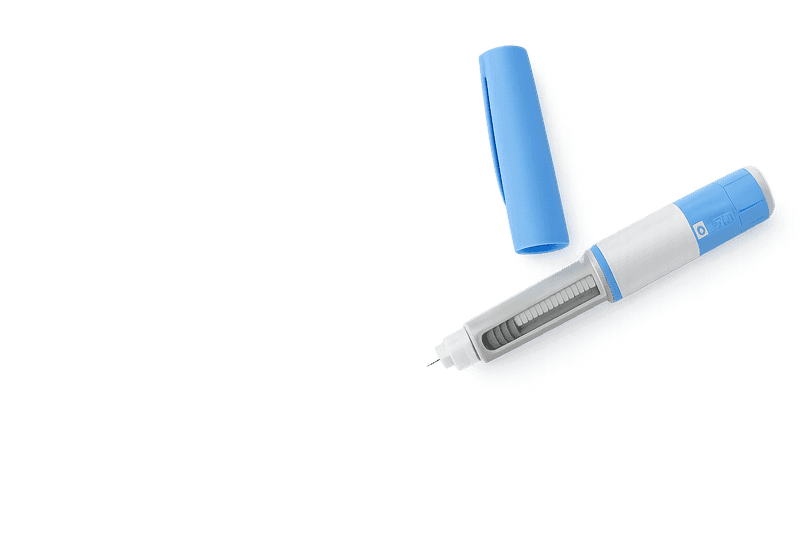
Woman getting a GLP-1 weight loss injection pen ready

How should you taper off a GLP-1 safely?

Taper gradually with your provider instead of stopping cold turkey. Stopping suddenly is not dangerous the way it is with some other drugs, but stepping the dose down over several weeks lets your body readjust and lets you watch how appetite and eating change at each lower dose.

Some patients find they can hold their results on a lower maintenance dose rather than stopping completely, which is worth raising with your provider.

How can you maintain weight loss after stopping?

After stopping, the habits you built during treatment become your main maintenance tools:
  • High protein intake
  • Regular strength training
  • Consistent daily movement
  • Enough sleep
  • Stress management
Patients who built these habits while on medication, instead of relying only on appetite suppression, tend to keep more of their results. Our guides to nutrition on GLP-1 treatment and exercise on medication help you set them up before you stop.

Do you need to take a GLP-1 for life?

Many patients may need ongoing treatment. Major medical organizations, including the American Association of Clinical Endocrinology, now recognize obesity as a chronic disease that may need long-term care, much like high blood pressure or diabetes.

Stopping blood pressure medication lets blood pressure rise again; stopping weight loss medication lets weight return.

For many people, the most effective approach is continuing at a maintenance dose, which can be lower than the dose used for weight loss. Our medication cost guide covers long-term costs.

How do you decide whether to stop or continue?

Make the decision with full information. Be clear about why you want to stop (cost, side effects or reaching your goal weight) and weigh that against the high likelihood of regain.
  • If cost is the issue: look at compounded options or a lower maintenance dose.
  • If you reached your goal: ask your provider about a maintenance plan instead of simply stopping.
Compare providers with flexible maintenance plans, or take our quiz to find a good fit for long-term care.

Which weight loss provider fits you best?

Our ranking compares the leading providers on price, clinical support and medication choices.

Popular provider matchups

Side-by-side comparisons with checked prices, the ones readers rely on most when choosing.

References and clinical sources

The medication facts on this page rest on FDA guidance and peer-reviewed clinical trials, while prices and plan terms come from what each provider publishes. Use this page as general information, not medical advice, and speak with a licensed clinician before you start any weight loss treatment.

  1. 1.Once-Weekly Semaglutide in Adults with Overweight or Obesity (STEP 1 trial) - New England Journal of Medicine, 2021
  2. 2.Tirzepatide Once Weekly for the Treatment of Obesity (SURMOUNT-1 trial) - New England Journal of Medicine, 2022
  3. 3.FDA Approves New Drug Treatment for Chronic Weight Management (semaglutide / Wegovy) - U.S. Food & Drug Administration, 2021
  4. 4.FDA Approves New Medication for Chronic Weight Management (tirzepatide / Zepbound) - U.S. Food & Drug Administration, 2023
  5. 5.FDA's Concerns with Unapproved GLP-1 Drugs Used for Weight Loss - U.S. Food & Drug Administration
  6. 6.Human Drug Compounding (503A pharmacy standards) - U.S. Food & Drug Administration
  7. 7.Semaglutide Injection - drug information - MedlinePlus, U.S. National Library of Medicine (NIH)