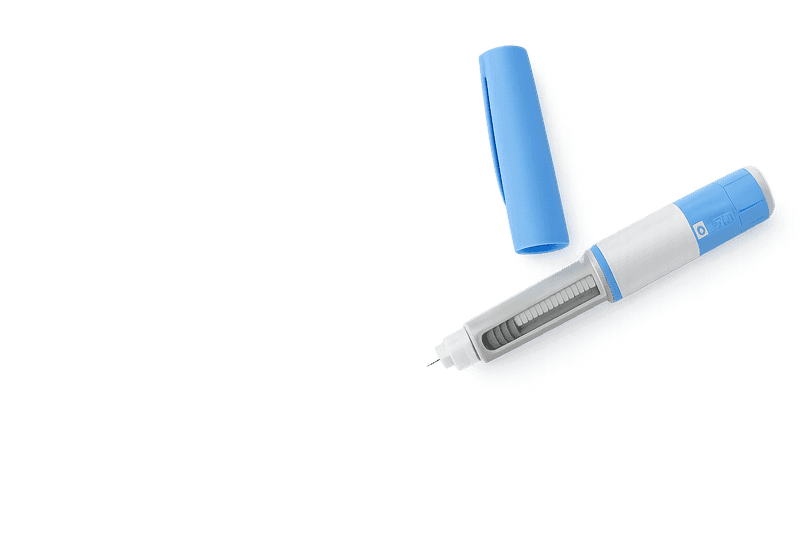

- Semaglutide is the active ingredient in Ozempic and Wegovy.
- Tirzepatide is the active ingredient in Mounjaro and Zepbound.
What is a GLP-1 medication?
A GLP-1 medication is a prescription drug that mimics glucagon-like peptide-1, a hormone your intestines release after you eat. The class, called GLP-1 receptor agonists, was first developed to treat type 2 diabetes.
Our 2 favorite GLP-1 providers
The two providers our editors recommend first, with the same checked prices and scores used in our full ranking.
Our Most Popular
1
Exceptional
9.8out of 10
Semaglutide from $69/mo, delivered in 1-2 days
Refund if not approvedFree expedited shipping
Treatments offered
Compounded semaglutide injection (GLP-1) · Compounded tirzepatide injection (GLP-1 + GIP) · Online doctor review and prescription · Dose changes through the patient portal
Starting price
$79$69/month
*Compounded medications are not FDA-approved.
- Semaglutide $69/mo; tirzepatide $119/mo
- 5-minute questionnaire; doctor review usually within 24 hours
- Free 1-2 day shipping: cold-packed, tracked and insured
- No insurance, no clinic visits, cancel anytime
Pricing starts at
from $69/month
embody prescribes compounded semaglutide at $69/mo and tirzepatide at $119/mo online, ships in 1-2 days, and requires no insurance. Trustpilot: 3.8 from 9,604 reviews.
Read full embody review2
Exceptional
9.7out of 10
Low-cost GLP-1 care: semaglutide from $89/mo
Clear, flat pricingNo insurance needed
Treatments offered
Compounded semaglutide injection (GLP-1) · Compounded tirzepatide injection (GLP-1 + GIP) · Brand-name Ozempic, Zepbound and Wegovy · Once-weekly injection schedule
Starting price
$199$89/month
*Compounded medications are not FDA-approved.
- Semaglutide from $89/mo; tirzepatide from $149/mo
- Brand-name Ozempic, Zepbound and Wegovy available
- Reviewed by a physician, PA or nurse practitioner
- Free shipping, arriving in about 5-7 days
Pricing starts at
from $89/month
altRx sells compounded semaglutide from $89/month and tirzepatide from $149/month at a flat price per dose, plus brand-name Ozempic, Zepbound and Wegovy. Self-pay, no insurance needed.
Read full altRx reviewWhy do GLP-1 drugs make you feel less hungry?
GLP-1 drugs reduce hunger by acting on brain receptors that control appetite and fullness, and by keeping food in the stomach longer. Slower gastric emptying means a meal satisfies you for more hours, while the brain receives a steady "you are full" signal.
Patients often say the drug turns down "food noise": the running background thoughts about snacks and the next meal that make dieting so draining. That change comes from biochemistry, not from trying harder.
Patients often say the drug turns down "food noise": the running background thoughts about snacks and the next meal that make dieting so draining. That change comes from biochemistry, not from trying harder.
What do GLP-1s do to blood sugar and insulin?
GLP-1 medications help control blood sugar in two ways: they prompt the pancreas to release insulin when glucose is elevated, and they lower glucagon output. Together, these effects flatten the blood sugar swings that commonly lead to cravings and overeating.
This matters most for people with insulin resistance, a frequent contributor to weight gain, because the medication works directly on that problem.
This matters most for people with insulin resistance, a frequent contributor to weight gain, because the medication works directly on that problem.
Lowest-priced GLP-1 plans
The cheapest published plans, sorted from lowest price, with the terms listed under every price.
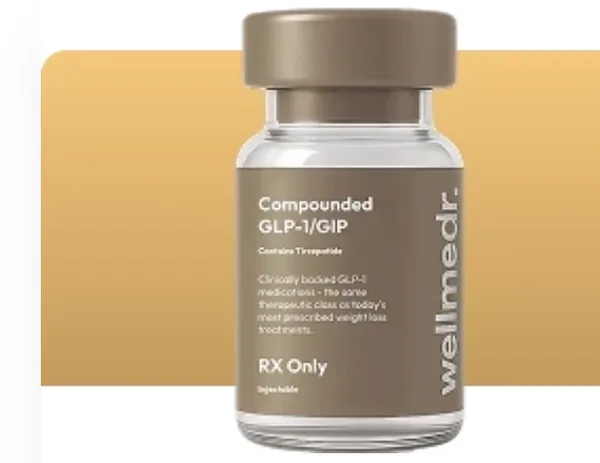
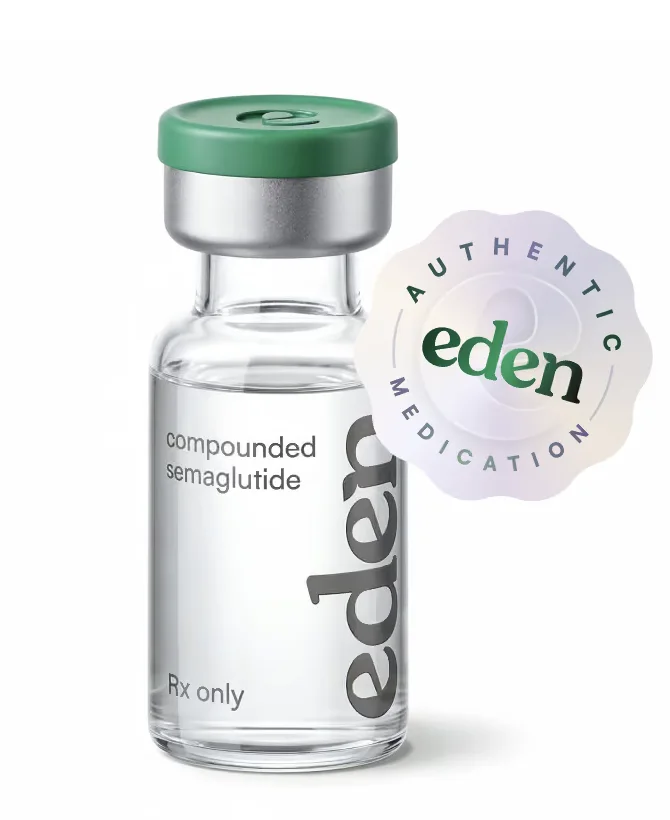
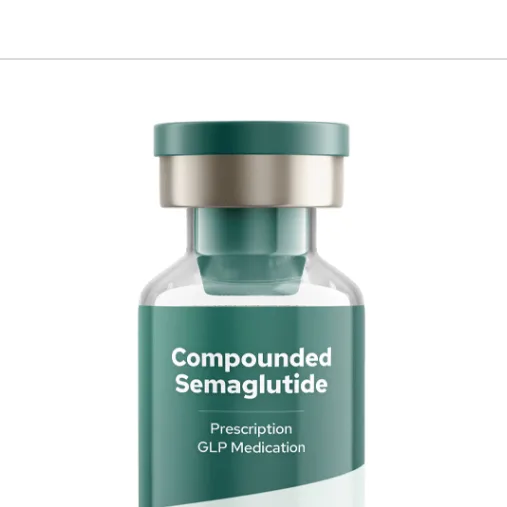

What makes tirzepatide different from semaglutide?
Tirzepatide is a dual agonist: it activates the GLP-1 receptor and the GIP (glucose-dependent insulinotropic polypeptide) receptor, while semaglutide activates GLP-1 alone. The added GIP activity brings extra metabolic effects that work alongside the GLP-1 pathway.
In clinical trials, this two-receptor approach produced even larger weight loss, with some participants losing more than 20% of their body weight. Our tirzepatide vs semaglutide comparison covers the differences in detail.
In clinical trials, this two-receptor approach produced even larger weight loss, with some participants losing more than 20% of their body weight. Our tirzepatide vs semaglutide comparison covers the differences in detail.
Is GLP-1 Treatment Right for You?
GLP-1 medication is prescription-only: a licensed clinician has to decide it is appropriate, and it is not a fit for everyone. Side effects are possible, and they tend to show up in the first few weeks while your body adapts.
Results are usually best when the medication is paired with simple daily habits, such as balanced meals and regular movement.
For both safety and lasting progress, pick a provider that screens you properly before prescribing and keeps following up once treatment starts.

How much weight do people lose on GLP-1 medication?
In large trials, people lost an average of about 15% of body weight on semaglutide (STEP trials) and up to ~22.5% on tirzepatide (SURMOUNT trials) over 68-72 weeks. Individual results vary a lot.
- Weeks 1-2: most people notice appetite changes.
- Weeks 4-8: weight loss usually becomes visible.
- Dosing: one injection a week, with the dose raised step by step over several months to limit side effects.
What side effects do GLP-1 medications cause?
The side effects people report most are digestive: nausea, vomiting, diarrhea and constipation. They tend to peak right after a dose increase and fade as the body adapts, which is why starting low and titrating slowly works for most patients.
Rarer but more serious risks include pancreatitis and gallbladder problems, so treatment should always be medically supervised. Our semaglutide side effects guide covers how to manage them, and our matching quiz can point you to a provider with strong clinical oversight.
Rarer but more serious risks include pancreatitis and gallbladder problems, so treatment should always be medically supervised. Our semaglutide side effects guide covers how to manage them, and our matching quiz can point you to a provider with strong clinical oversight.