
We may earn a commission from providers listed here, which can affect where they appear but never our ratings or reviews.
TopWeightLoss.us
Wellness7 min read

What to Eat on GLP-1 Medication: A Practical Meal Guide

A practical GLP-1 diet: 25-30 g of protein per meal, 64 oz of water a day, foods that ease nausea, foods to limit and a sample day of meals.

Last updated September 15, 2026

Francheska Capistrano, Medical Content Reviewer

Francheska Capistrano, RMT, MPH

Clinically checked · Our review process

Key points

  • GLP-1s reduce how much you eat by 30-40%, so each calorie needs to count: choose nutrient-dense meals rather than strict dieting.
  • Lead with protein: 25-30 g per meal, or about 80-120 g a day, to protect muscle while weight comes off quickly.
  • Lean proteins, cooked vegetables, rice, oatmeal and broth soups are usually well tolerated. Fried, greasy or spicy food, fizzy drinks and alcohol tend to make nausea worse.
  • Drink at least 64 oz of water a day in small sips, eat slowly, and stop when satisfied instead of full.

Does diet still matter when you take a GLP-1?

Yes. A GLP-1 lowers your appetite but does not choose your food, and the patients with the best results pair the medication with deliberate eating.

That means a shift toward nutrient-dense meals that support energy, muscle and overall health, not a restrictive diet.

When you eat 30-40% fewer calories, the quality of what remains decides whether you get enough protein, vitamins and minerals. Learning how GLP-1 medications affect appetite shows why this matters so much.


Our 2 favorite GLP-1 providers

The two providers our editors recommend first, with the same checked prices and scores used in our full ranking.

Our Most Popular
1
embody logo

Exceptional

9.8out of 10

Semaglutide from $69/mo, delivered in 1-2 days

Refund if not approvedFree expedited shipping

Treatments offered

Compounded semaglutide injection (GLP-1) · Compounded tirzepatide injection (GLP-1 + GIP) · Online doctor review and prescription · Dose changes through the patient portal

Starting price

$79$69/month

*Compounded medications are not FDA-approved.

  • Semaglutide $69/mo; tirzepatide $119/mo
  • 5-minute questionnaire; doctor review usually within 24 hours
  • Free 1-2 day shipping: cold-packed, tracked and insured
  • No insurance, no clinic visits, cancel anytime

from $69/month

Visit SiteRead full review
3.8Trustpilot(9,604)

embody prescribes compounded semaglutide at $69/mo and tirzepatide at $119/mo online, ships in 1-2 days, and requires no insurance. Trustpilot: 3.8 from 9,604 reviews.

Read full embody review
2
altRx logo

Exceptional

9.7out of 10

Low-cost GLP-1 care: semaglutide from $89/mo

Clear, flat pricingNo insurance needed

Treatments offered

Compounded semaglutide injection (GLP-1) · Compounded tirzepatide injection (GLP-1 + GIP) · Brand-name Ozempic, Zepbound and Wegovy · Once-weekly injection schedule

Starting price

$199$89/month

*Compounded medications are not FDA-approved.

  • Semaglutide from $89/mo; tirzepatide from $149/mo
  • Brand-name Ozempic, Zepbound and Wegovy available
  • Reviewed by a physician, PA or nurse practitioner
  • Free shipping, arriving in about 5-7 days

from $89/month

altRx sells compounded semaglutide from $89/month and tirzepatide from $149/month at a flat price per dose, plus brand-name Ozempic, Zepbound and Wegovy. Self-pay, no insurance needed.

Read full altRx review

How much protein should you eat on a GLP-1?

Aim for 25-30 grams of protein per meal, or roughly 80-120 grams a day depending on your body weight. Protein is the most important macronutrient during medicated weight loss because fast loss can take muscle along with fat, and protein is your main protection against that.

Good sources: chicken, fish, eggs, Greek yogurt, cottage cheese, tofu and legumes.

If eating enough is hard, a protein shake can add to whole-food meals but should not replace them. Combining enough protein with regular strength training is the best way to hold on to muscle.

Which foods help reduce GLP-1 side effects?

The most common GLP-1 side effects are digestive, and food choice makes a big difference.
Usually well toleratedOften makes nausea worse
Lean proteinsFried foods
Cooked vegetablesGreasy meals
Rice, oatmeal, toastVery spicy dishes
BananasCarbonated drinks and alcohol
Broth-based soupsLarge servings of high-fat food
Many patients find that four to five mini-meals instead of three large ones cut nausea substantially.

Lowest-priced GLP-1 plans

The cheapest published plans, sorted from lowest price, with the terms listed under every price.

How much water should you drink while on a GLP-1?

Drink at least 64 ounces of water a day, and more if you exercise or have GI side effects. Dehydration is a common and underrated problem on GLP-1s: eating less means less water from food, and vomiting or diarrhea can drain fluids further.

Sip steadily through the day; gulping large amounts at once can increase nausea.

Herbal tea, electrolyte water and broth all count toward the total. Do not lean on sugary drinks or lots of caffeine.

Is GLP-1 Treatment Right for You?

GLP-1 medication is prescription-only: a licensed clinician has to decide it is appropriate, and it is not a fit for everyone. Side effects are possible, and they tend to show up in the first few weeks while your body adapts.

Results are usually best when the medication is paired with simple daily habits, such as balanced meals and regular movement.

For both safety and lasting progress, pick a provider that screens you properly before prescribing and keeps following up once treatment starts.

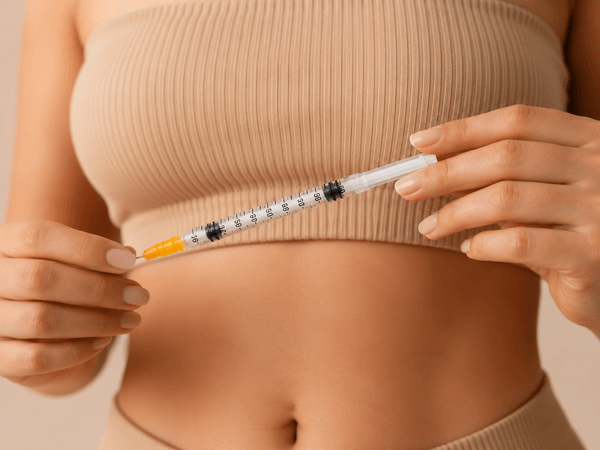
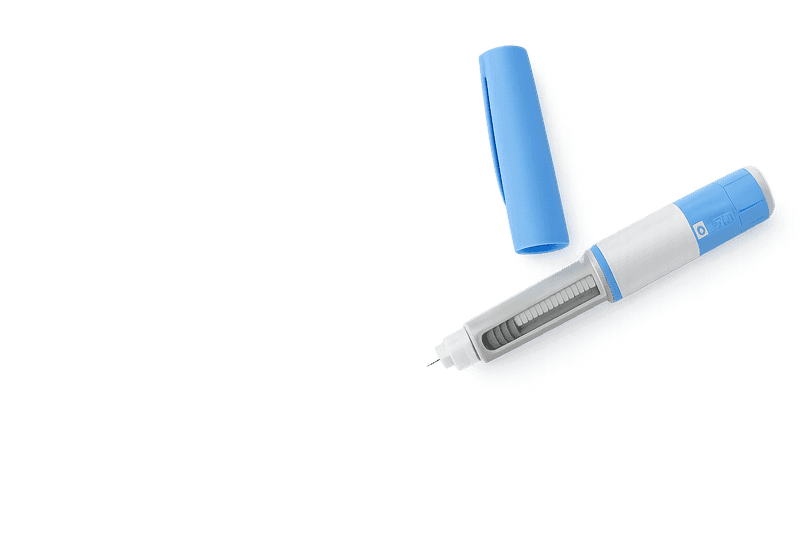
Woman getting a GLP-1 weight loss injection pen ready

Which foods and habits should you limit on a GLP-1?

Some foods and habits slow progress or intensify side effects:
  • Highly processed food, sugary snacks and fast food: few nutrients for the calories, and with a smaller appetite they crowd out what your body needs.
  • Alcohol: calorie-dense, can worsen nausea and weakens judgment about food.
  • Eating fast: because the medication slows stomach emptying, rushing a meal can cause uncomfortable fullness and nausea.
Eat slowly, chew well and stop when you feel satisfied, not full.

What does a day of GLP-1-friendly meals look like?

One practical structure for a day:
  • Breakfast: Greek yogurt with berries and a handful of nuts, or eggs with spinach and whole grain toast.
  • Mid-morning: string cheese or a small protein shake.
  • Lunch: grilled chicken or fish with roasted vegetables and quinoa.
  • Afternoon: hummus with vegetables, or an apple with almond butter.
  • Dinner: salmon or lean beef with steamed broccoli and sweet potato.
This spreads protein across the day while keeping portions small and nutrient-dense. For building habits around it, see your first month on medication.

Which weight loss provider fits you best?

Our ranking compares the leading providers on price, clinical support and medication choices.

Popular provider matchups

Side-by-side comparisons with checked prices, the ones readers rely on most when choosing.

References and clinical sources

The medication facts on this page rest on FDA guidance and peer-reviewed clinical trials, while prices and plan terms come from what each provider publishes. Use this page as general information, not medical advice, and speak with a licensed clinician before you start any weight loss treatment.

  1. 1.Once-Weekly Semaglutide in Adults with Overweight or Obesity (STEP 1 trial) - New England Journal of Medicine, 2021
  2. 2.Tirzepatide Once Weekly for the Treatment of Obesity (SURMOUNT-1 trial) - New England Journal of Medicine, 2022
  3. 3.FDA Approves New Drug Treatment for Chronic Weight Management (semaglutide / Wegovy) - U.S. Food & Drug Administration, 2021
  4. 4.FDA Approves New Medication for Chronic Weight Management (tirzepatide / Zepbound) - U.S. Food & Drug Administration, 2023
  5. 5.FDA's Concerns with Unapproved GLP-1 Drugs Used for Weight Loss - U.S. Food & Drug Administration
  6. 6.Human Drug Compounding (503A pharmacy standards) - U.S. Food & Drug Administration
  7. 7.Semaglutide Injection - drug information - MedlinePlus, U.S. National Library of Medicine (NIH)