
We may earn a commission from providers listed here, which can affect where they appear but never our ratings or reviews.
TopWeightLoss.us
Wellness6 min read

Weight Loss Plateau on GLP-1s: Why It Happens and Fixes

Why weight loss stalls even on GLP-1 medication, and what restarts it: dose review, protein, strength training 2-3x a week, and when a 6-week stall needs a doctor.

Last updated September 15, 2026

Francheska Capistrano, Medical Content Reviewer

Francheska Capistrano, RMT, MPH

Clinically checked · Our review process

Key points

  • A plateau is a normal body response, even on medication: as weight drops, resting metabolic rate falls, leptin goes down and ghrelin may go up.
  • On a GLP-1, a stall often lines up with your body getting used to the current dose. If you are below your maximum dose, a provider-led increase often gets things moving again.
  • Check whether portions have crept up, put protein first, and add strength training 2-3 times a week alongside steady daily steps.
  • A stall of 2-4 weeks is expected. If the scale has not moved for 6+ weeks despite consistent effort, ask your provider about dosing and checks such as thyroid function.

Is a weight loss plateau on GLP-1 medication normal?

Yes. A plateau after weeks or months of steady loss does not mean you are doing something wrong.

Stalls are a well-documented physiological response that almost everyone hits while losing weight, with or without medication.

The body adapts as it shrinks: metabolism adjusts, hormone levels shift, and energy is used more efficiently. Knowing why this happens makes it easier to get through.


Our 2 favorite GLP-1 providers

The two providers our editors recommend first, with the same checked prices and scores used in our full ranking.

Our Most Popular
1
embody logo

Exceptional

9.8out of 10

Semaglutide from $69/mo, delivered in 1-2 days

Refund if not approvedFree expedited shipping

Treatments offered

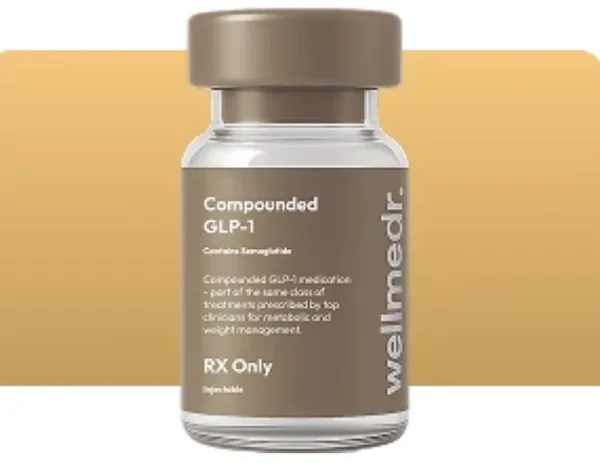
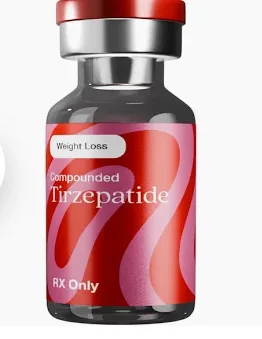
Compounded semaglutide injection (GLP-1) · Compounded tirzepatide injection (GLP-1 + GIP) · Online doctor review and prescription · Dose changes through the patient portal

Starting price

$79$69/month

*Compounded medications are not FDA-approved.

  • Semaglutide $69/mo; tirzepatide $119/mo
  • 5-minute questionnaire; doctor review usually within 24 hours
  • Free 1-2 day shipping: cold-packed, tracked and insured
  • No insurance, no clinic visits, cancel anytime

from $69/month

Visit SiteRead full review
3.8Trustpilot(9,604)

embody prescribes compounded semaglutide at $69/mo and tirzepatide at $119/mo online, ships in 1-2 days, and requires no insurance. Trustpilot: 3.8 from 9,604 reviews.

Read full embody review
2
altRx logo

Exceptional

9.7out of 10

Low-cost GLP-1 care: semaglutide from $89/mo

Clear, flat pricingNo insurance needed

Treatments offered

Compounded semaglutide injection (GLP-1) · Compounded tirzepatide injection (GLP-1 + GIP) · Brand-name Ozempic, Zepbound and Wegovy · Once-weekly injection schedule

Starting price

$199$89/month

*Compounded medications are not FDA-approved.

  • Semaglutide from $89/mo; tirzepatide from $149/mo
  • Brand-name Ozempic, Zepbound and Wegovy available
  • Reviewed by a physician, PA or nurse practitioner
  • Free shipping, arriving in about 5-7 days

from $89/month

altRx sells compounded semaglutide from $89/month and tirzepatide from $149/month at a flat price per dose, plus brand-name Ozempic, Zepbound and Wegovy. Self-pay, no insurance needed.

Read full altRx review

Why does your body stop losing weight?

Several changes happen at the same time as you lose weight:
  • Lower resting metabolic rate: a smaller body needs fewer calories to run.
  • Less leptin: the hormone that signals fullness drops.
  • More ghrelin: the hormone that drives hunger can rise.
  • Greater efficiency: the body gets better at stretching each calorie, a survival trait that now works against weight loss.
This metabolic adaptation is not permanent, but it can produce stretches where the scale does not budge.

Will raising your GLP-1 dose break a plateau?

Often, yes. For GLP-1 patients, a stall can mean the body has adjusted to the current dose, so appetite suppression feels weaker.

That is part of why these drugs follow a step-up dosing schedule, and moving to the next dose frequently restarts progress.

If you have not reached your maximum dose, ask your provider whether an increase makes sense. For background on the mechanism, see how GLP-1 medications work.

Lowest-priced GLP-1 plans

The cheapest published plans, sorted from lowest price, with the terms listed under every price.

Have your portions crept back up?

A plateau is a good moment for an honest look at what you eat. Once reduced appetite feels normal, portions can slowly grow without you noticing.

You do not need to count every calorie, but a one-week food diary often reveals patterns.

Put protein first: it helps protect muscle while you lose weight and has the highest thermic effect of any macronutrient, so your body spends more energy digesting it. Our GLP-1 nutrition guide has meal-level suggestions.

Is GLP-1 Treatment Right for You?

GLP-1 medication is prescription-only: a licensed clinician has to decide it is appropriate, and it is not a fit for everyone. Side effects are possible, and they tend to show up in the first few weeks while your body adapts.

Results are usually best when the medication is paired with simple daily habits, such as balanced meals and regular movement.

For both safety and lasting progress, pick a provider that screens you properly before prescribing and keeps following up once treatment starts.

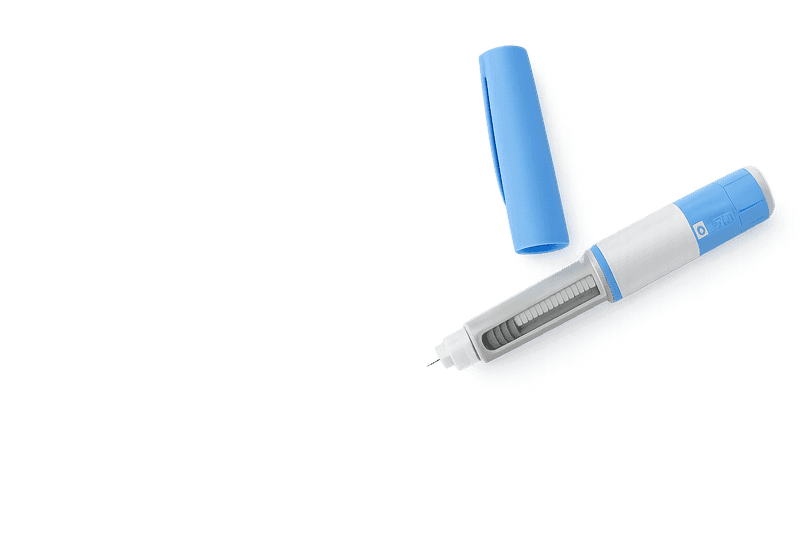
Woman getting a GLP-1 weight loss injection pen ready

Can strength training and walking restart weight loss?

They can help. If you have not yet added strength training, a plateau is a strong reason to begin. Resistance work builds and preserves lean muscle, which burns calories even at rest.
  • Strength: bodyweight moves, resistance bands or moderate weights, 2-3 times a week.
  • Walking: aim for steady daily steps rather than occasional hard cardio sessions.
For a complete plan, read how to exercise on GLP-1 medication.

When should a plateau prompt a call to your provider?

A 2-4 week plateau is normal and often resolves by itself or with small tweaks. If your weight has not moved for 6+ weeks despite consistent effort, talk to your provider. They can:
  • Decide whether a dose change is appropriate
  • Check for causes such as thyroid function or medication interactions
  • Help you adjust your overall plan
If your current provider is not giving you that support, compare alternatives on our site. The aim is steady, healthy loss, not a sprint to a number.

Which weight loss provider fits you best?

Our ranking compares the leading providers on price, clinical support and medication choices.

Popular provider matchups

Side-by-side comparisons with checked prices, the ones readers rely on most when choosing.

References and clinical sources

The medication facts on this page rest on FDA guidance and peer-reviewed clinical trials, while prices and plan terms come from what each provider publishes. Use this page as general information, not medical advice, and speak with a licensed clinician before you start any weight loss treatment.

  1. 1.Once-Weekly Semaglutide in Adults with Overweight or Obesity (STEP 1 trial) - New England Journal of Medicine, 2021
  2. 2.Tirzepatide Once Weekly for the Treatment of Obesity (SURMOUNT-1 trial) - New England Journal of Medicine, 2022
  3. 3.FDA Approves New Drug Treatment for Chronic Weight Management (semaglutide / Wegovy) - U.S. Food & Drug Administration, 2021
  4. 4.FDA Approves New Medication for Chronic Weight Management (tirzepatide / Zepbound) - U.S. Food & Drug Administration, 2023
  5. 5.FDA's Concerns with Unapproved GLP-1 Drugs Used for Weight Loss - U.S. Food & Drug Administration
  6. 6.Human Drug Compounding (503A pharmacy standards) - U.S. Food & Drug Administration
  7. 7.Semaglutide Injection - drug information - MedlinePlus, U.S. National Library of Medicine (NIH)