
We may earn a commission from providers listed here, which can affect where they appear but never our ratings or reviews.
TopWeightLoss.us
Wellness7 min read

Emotional Eating on a GLP-1: Why It Persists and What Helps

GLP-1s reduce hunger but not the urge to eat for comfort. Why emotional eating continues on medication, how therapy addresses triggers, and combining both.

Last updated September 15, 2026

Francheska Capistrano, Medical Content Reviewer

Francheska Capistrano, RMT, MPH

Clinically checked · Our review process

Key points

  • GLP-1 drugs turn down hunger signals, but emotional eating is not driven by hunger, so it can continue while you are on medication.
  • Common triggers are stress, boredom and hard emotions; eating brings brief relief, which is exactly what keeps the habit going.
  • Medication and therapy do different jobs: the drug handles appetite and therapy works on triggers, and many people benefit from both.
  • Licensed therapists, including those working online, can help with emotional eating, and many accept insurance.

Why do you still eat for comfort when a GLP-1 has cut your appetite?

Because hunger was only part of the picture. GLP-1 drugs are very effective at what they target: quieting the body's hunger signals and food noise.

Eating because of stress, boredom, loneliness or a bad day is driven by the feeling, not by hunger, and it gives brief relief, which is why the habit lasts. Many people on GLP-1s describe it the same way: the appetite has gone, yet they still end up in the kitchen at 10pm after a hard day.

That is neither a medication failure nor a willpower failure. It is a separate problem that needs a separate tool.


Our 2 favorite GLP-1 providers

The two providers our editors recommend first, with the same checked prices and scores used in our full ranking.

Our Most Popular
1
embody logo

Exceptional

9.8out of 10

Semaglutide from $69/mo, delivered in 1-2 days

Refund if not approvedFree expedited shipping

Treatments offered

Compounded semaglutide injection (GLP-1) · Compounded tirzepatide injection (GLP-1 + GIP) · Online doctor review and prescription · Dose changes through the patient portal

Starting price

$79$69/month

*Compounded medications are not FDA-approved.

  • Semaglutide $69/mo; tirzepatide $119/mo
  • 5-minute questionnaire; doctor review usually within 24 hours
  • Free 1-2 day shipping: cold-packed, tracked and insured
  • No insurance, no clinic visits, cancel anytime

from $69/month

Visit SiteRead full review
3.8Trustpilot(9,604)

embody prescribes compounded semaglutide at $69/mo and tirzepatide at $119/mo online, ships in 1-2 days, and requires no insurance. Trustpilot: 3.8 from 9,604 reviews.

Read full embody review
2
altRx logo

Exceptional

9.7out of 10

Low-cost GLP-1 care: semaglutide from $89/mo

Clear, flat pricingNo insurance needed

Treatments offered

Compounded semaglutide injection (GLP-1) · Compounded tirzepatide injection (GLP-1 + GIP) · Brand-name Ozempic, Zepbound and Wegovy · Once-weekly injection schedule

Starting price

$199$89/month

*Compounded medications are not FDA-approved.

  • Semaglutide from $89/mo; tirzepatide from $149/mo
  • Brand-name Ozempic, Zepbound and Wegovy available
  • Reviewed by a physician, PA or nurse practitioner
  • Free shipping, arriving in about 5-7 days

from $89/month

altRx sells compounded semaglutide from $89/month and tirzepatide from $149/month at a flat price per dose, plus brand-name Ozempic, Zepbound and Wegovy. Self-pay, no insurance needed.

Read full altRx review

What works for emotional eating?

Working on the triggers, not only on the food, and that is where therapy fits. A therapist can help you:
  • Identify what actually sends you to food.
  • Build responses to those moments that do not involve eating.
  • Break the cycle of shame after a slip, which often drives the next one.
This is practical skills work, and it is an area where structured talk therapy has a clear payoff. Self-help steps also help, such as noticing patterns, delaying and substituting. If the habit is years old, though, working with a professional usually moves faster than working alone.

Can you combine therapy with GLP-1 medication?

Yes, and the two complement each other rather than overlap. The medication lowers biological hunger, and therapy addresses the emotional triggers that medication cannot reach.

For many people that pairing is what makes change last: the medication creates room, and therapy fills it with habits that hold up after the pattern is broken. If medication alone has stalled for you and the stall looks emotional rather than physical, that is a strong sign the missing piece is therapy.

Lowest-priced GLP-1 plans

The cheapest published plans, sorted from lowest price, with the terms listed under every price.

How can you find help for emotional eating?

Start with a licensed mental health professional. Many therapists now work by video, phone or messaging, so getting started is easier than it used to be, and many accept insurance.

Your primary care doctor or the clinician managing your weight-loss treatment can also point you toward someone who works with eating patterns. If you are in crisis or having thoughts of self-harm, do not wait for an appointment: call or text 988, the Suicide & Crisis Lifeline, which is free and available 24/7.

Is GLP-1 Treatment Right for You?

GLP-1 medication is prescription-only: a licensed clinician has to decide it is appropriate, and it is not a fit for everyone. Side effects are possible, and they tend to show up in the first few weeks while your body adapts.

Results are usually best when the medication is paired with simple daily habits, such as balanced meals and regular movement.

For both safety and lasting progress, pick a provider that screens you properly before prescribing and keeps following up once treatment starts.

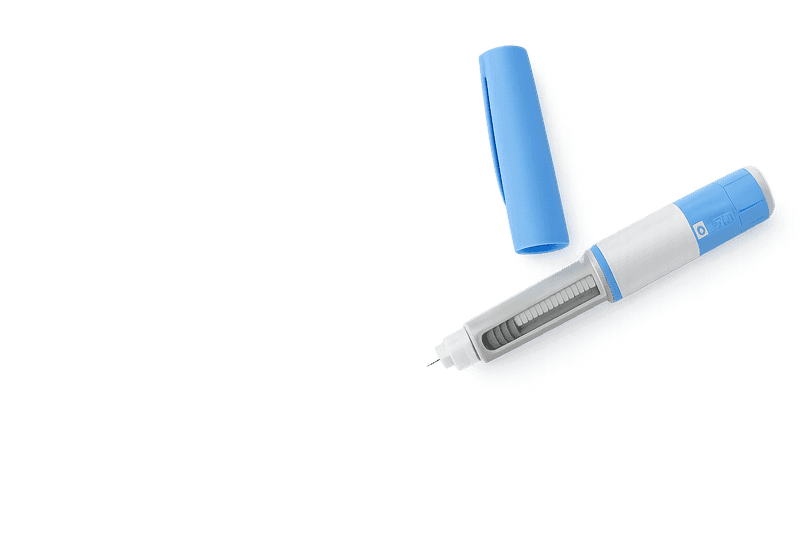
Woman getting a GLP-1 weight loss injection pen ready

Emotional eating and GLP-1s: the takeaway

If you eat for reasons other than hunger, medication alone was never going to solve everything, and knowing that early saves months of frustration. Give each tool its job: GLP-1 treatment for the biological side, therapy for the habits, and both together when both problems are present. This article is general information, not medical advice.

Which weight loss provider fits you best?

Our ranking compares the leading providers on price, clinical support and medication choices.

Popular provider matchups

Side-by-side comparisons with checked prices, the ones readers rely on most when choosing.

References and clinical sources

The medication facts on this page rest on FDA guidance and peer-reviewed clinical trials, while prices and plan terms come from what each provider publishes. Use this page as general information, not medical advice, and speak with a licensed clinician before you start any weight loss treatment.

  1. 1.Once-Weekly Semaglutide in Adults with Overweight or Obesity (STEP 1 trial) - New England Journal of Medicine, 2021
  2. 2.Tirzepatide Once Weekly for the Treatment of Obesity (SURMOUNT-1 trial) - New England Journal of Medicine, 2022
  3. 3.FDA Approves New Drug Treatment for Chronic Weight Management (semaglutide / Wegovy) - U.S. Food & Drug Administration, 2021
  4. 4.FDA Approves New Medication for Chronic Weight Management (tirzepatide / Zepbound) - U.S. Food & Drug Administration, 2023
  5. 5.FDA's Concerns with Unapproved GLP-1 Drugs Used for Weight Loss - U.S. Food & Drug Administration
  6. 6.Human Drug Compounding (503A pharmacy standards) - U.S. Food & Drug Administration
  7. 7.Semaglutide Injection - drug information - MedlinePlus, U.S. National Library of Medicine (NIH)